
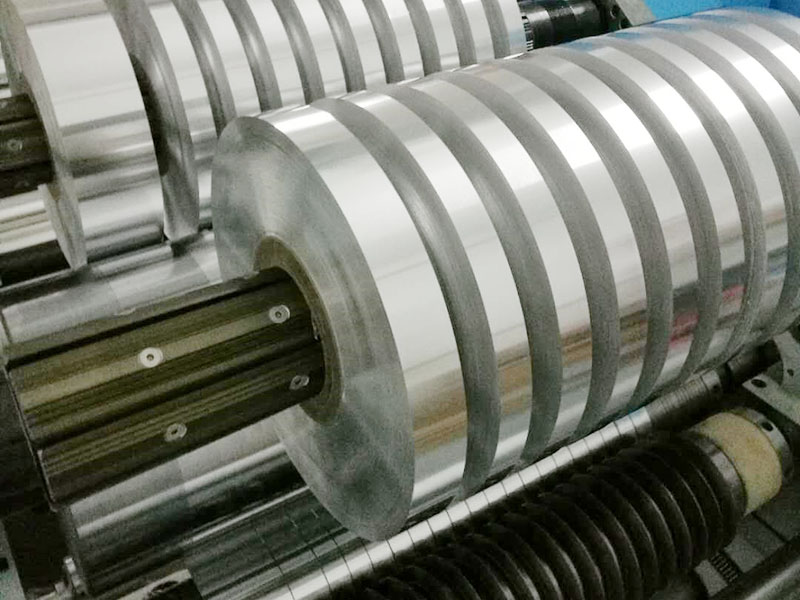
A slitting machine is a machine used to cut large rolls of material into small rolls or small pieces. It is commonly used to cut materials such as paper, plastic film, metal foil, fabric, etc. The working principle of the slitter machine is to cut the material into the desired size and shape by means of a blade or cut-off wheel. The slitting machine usually has functions such as automatic feeding, automatic cutting, and automatic winding, which can greatly improve production efficiency and reduce manual operation. Slitting machines are widely used in packaging, printing, manufacturing and other fields. Today we will introduce how the slitting machine can improve production efficiency.
First of all, the intelligent system of the slitting machine can realize the uninterrupted operation of the equipment. It can be automatically started, stopped, and adjusted according to the production schedule, without the need for manual human intervention. This greatly reduces the time wasted by failures and shutdowns caused by improper human operation, maximizes the saving of production costs and improves production efficiency.
Secondly, the operation of the slitting machine is simple, and the user can get started quickly without too much technical training. Moreover, it can be remotely monitored and operated through a computer, and the operation status of the machine can be grasped without the need to be physically present on site. This design greatly reduces the management cost of the machine and improves the maintenance efficiency.
Finally, the slitter is fast to operate, which can cut large materials accurately, and can also adjust the slitting speed and paper length to adapt to different production needs. Its efficient production capacity and precise cutting technology greatly improve the efficiency and quality of production.
So, how does the slitter improve the production efficiency? It greatly reduces production failures and downtime and maintenance by realizing intelligent equipment, simple operation and efficient and precise cutting, bringing important opportunity cost savings, thereby greatly improving the efficiency and quality of production, so that manufacturing enterprises can better adapt to market demand.
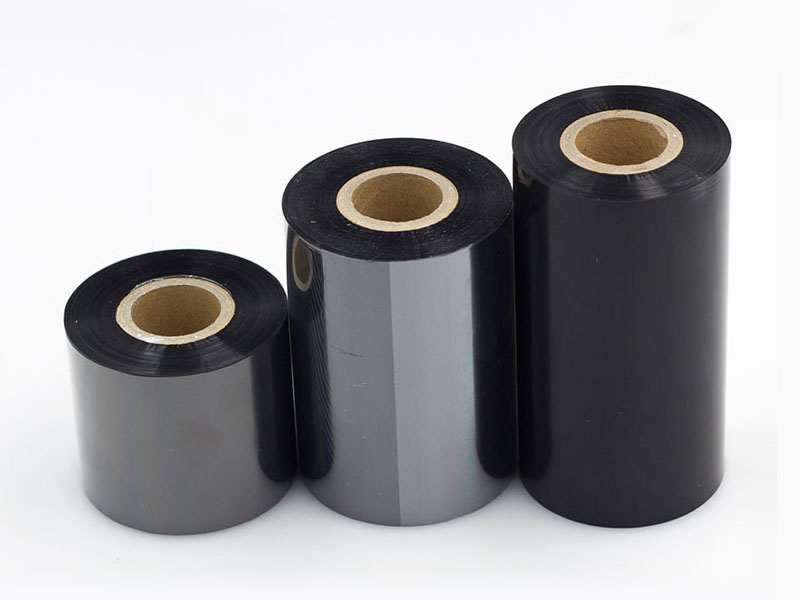
Only a slitting machine that can withstand real-world testing can truly save you peace and improve efficiency.
07. September, 2026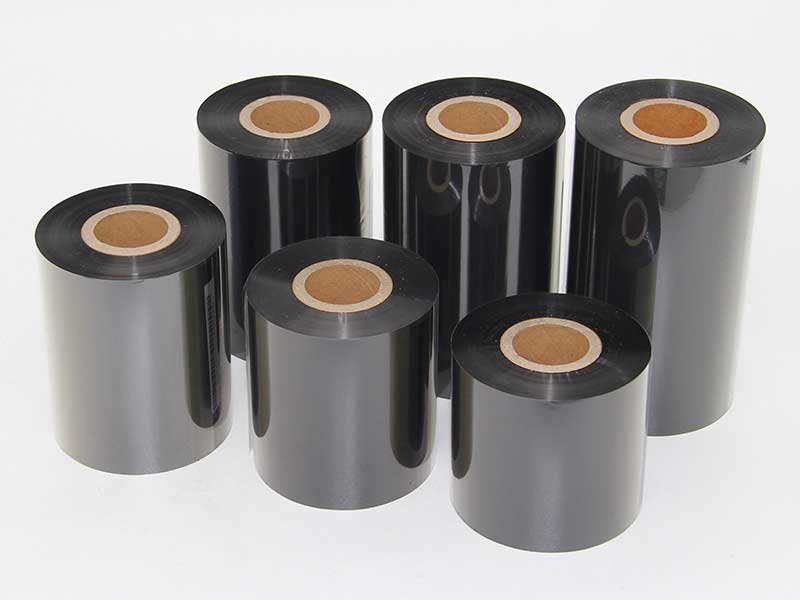
Choosing such equipment requires a comprehensive evaluation of precision, mechanical design, tension control, and intelligence level.
07. September, 2026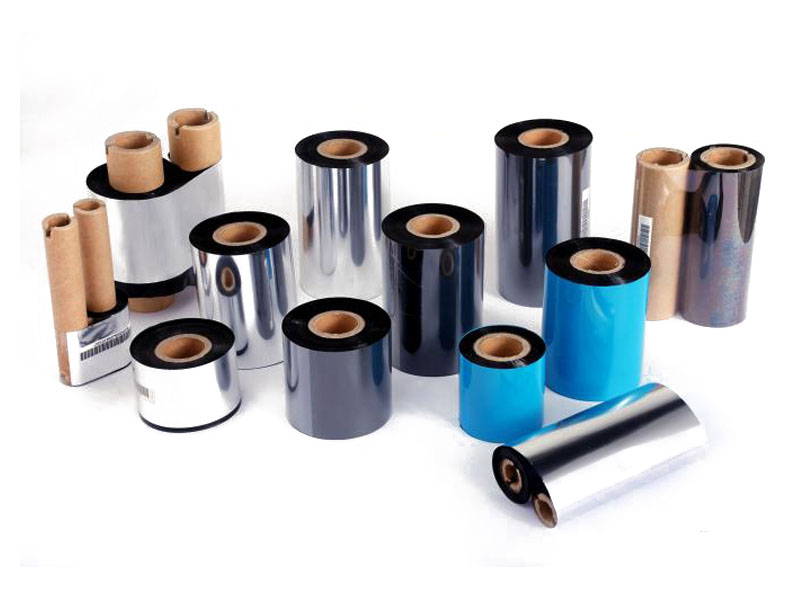
The following analysis follows the positioning and trade-off logic of three core dimensions.
07. September, 2026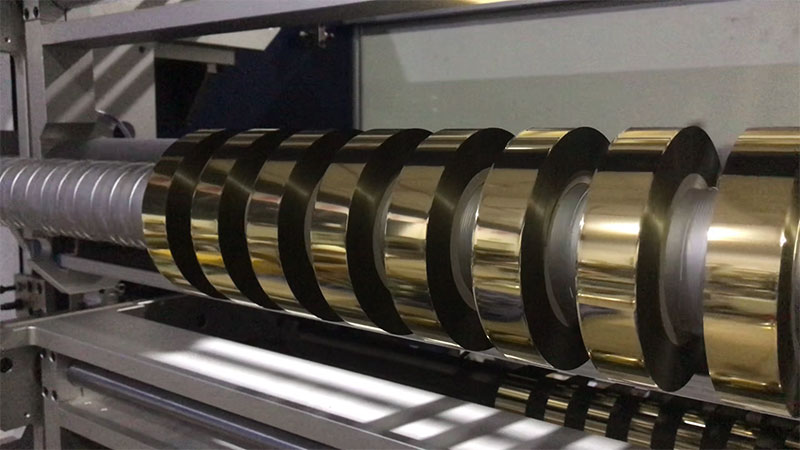
is injecting unprecedented certainty into the hot stamping process and the entire surface decoration industry.
05. September, 2026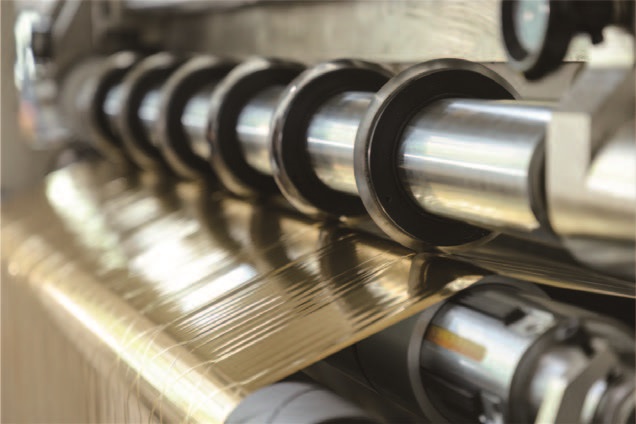
it not only affects production efficiency but also directly affects product quality and operational safety.
05. September, 2026


 English
 Deutsch
 Français
 Español
 Português
 日本語
日本語 русский
 한국어
한국어 عربي
عربي ภาษาไทย
 Tiếng Việt
 Italiano