
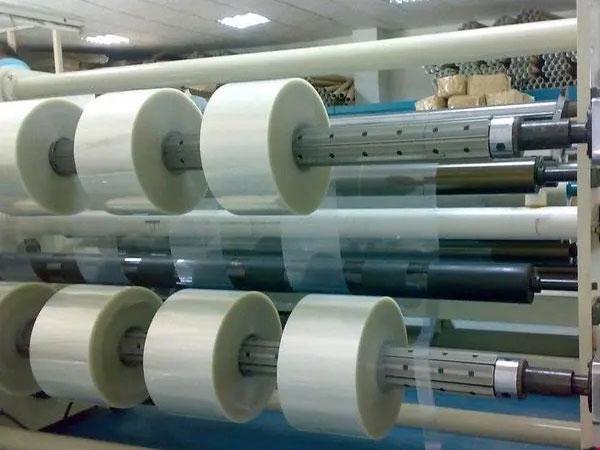
A slitting machine is a commonly used industrial equipment used to cut materials such as paper, plastic film, cloth, etc. according to the required size and shape. Most of the slitting machines use electrical control systems, which play a vital role in the slitting machines, mainly including the following aspects:
1. Operation control: The electrical control system can control the start, stop, speed adjustment and other operating parameters of the slitting machine, and realize the stable operation control of the machine through electrical components such as contactors, circuit breakers, sensors, etc.
2. Cutting accuracy control: The electrical control system can control the cutting accuracy by controlling the speed, position and other parameters of the cutter, so as to ensure that the slitting machine can accurately cut the raw materials during operation.
3. Safety protection: The electrical control system can integrate safety protection devices, such as emergency stop button, overload protection, etc., to ensure that the machine operation is stopped in time under abnormal conditions, and to ensure the safety of operators and equipment.
4. Automatic control: The electrical control system can realize the automatic control of the slitting machine, automate some repetitive operations, improve production efficiency, and reduce manual operation.
5. Data monitoring and recording: The electrical control system can realize the monitoring and recording of the operation data of the slitting machine, such as production speed, cutting times and other parameters, and monitor and record the production process in real time.
To sum up, the electrical control system plays a key role in the slitting machine, through the control of operation, cutting accuracy, safety, automation and data monitoring, etc., the production efficiency and operation safety of the slitting machine are improved, and the production process is more intelligent and controllable.
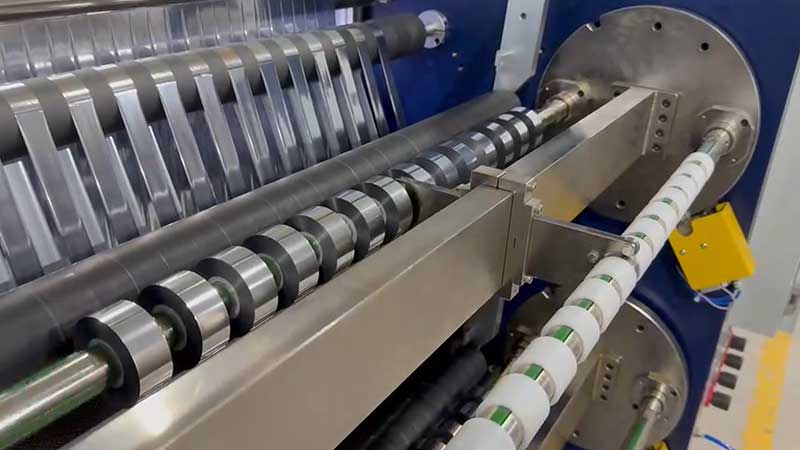
accuracy indicators will move from macro to micro, control logic will shift from experience to algorithms, and equipment roles will move from isolated islands to nodes.
10. November, 2026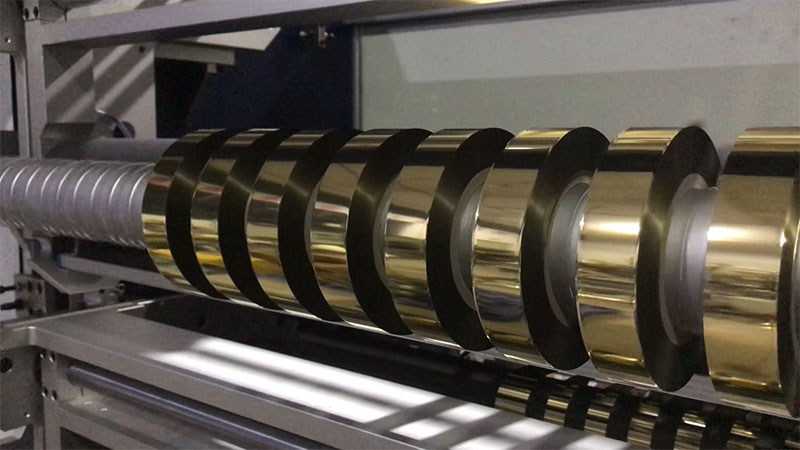
The following three application cases reveal the efficiency revolution currently underway in this area.
09. November, 2026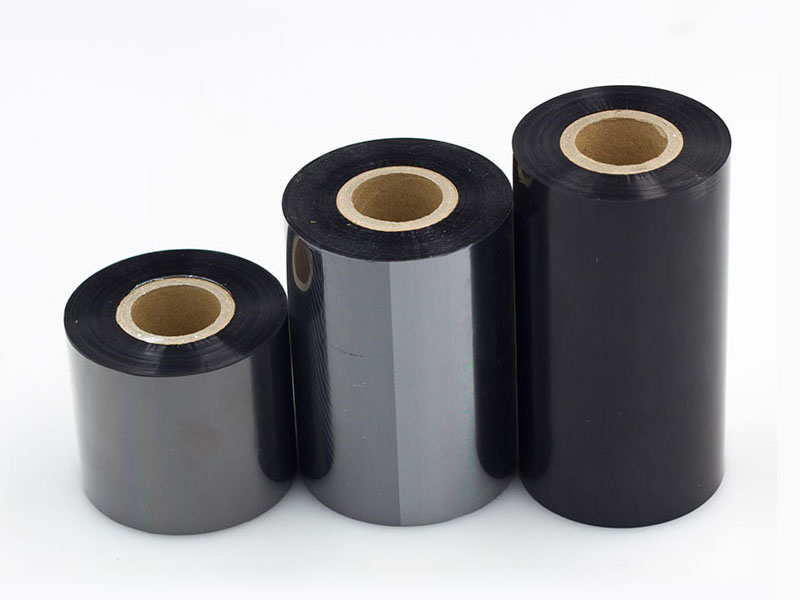
Below is a summary of the full-process operating standards from startup preparation to finishing based on equipment characteristics and process requirements.
07. November, 2026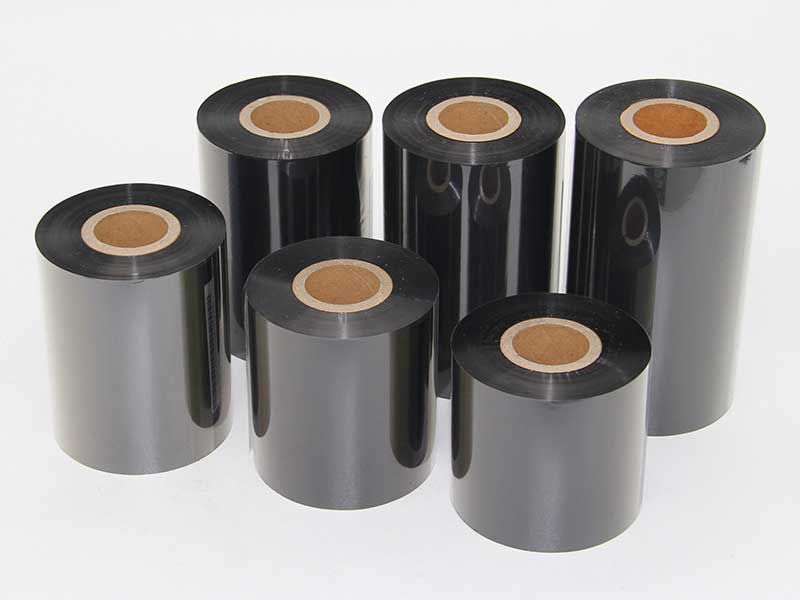
Ribbon slitting and rewinding is a key process in the production of thermal transfer consumables, and its efficiency directly determines delivery cycles and cost competitiveness.
07. November, 2026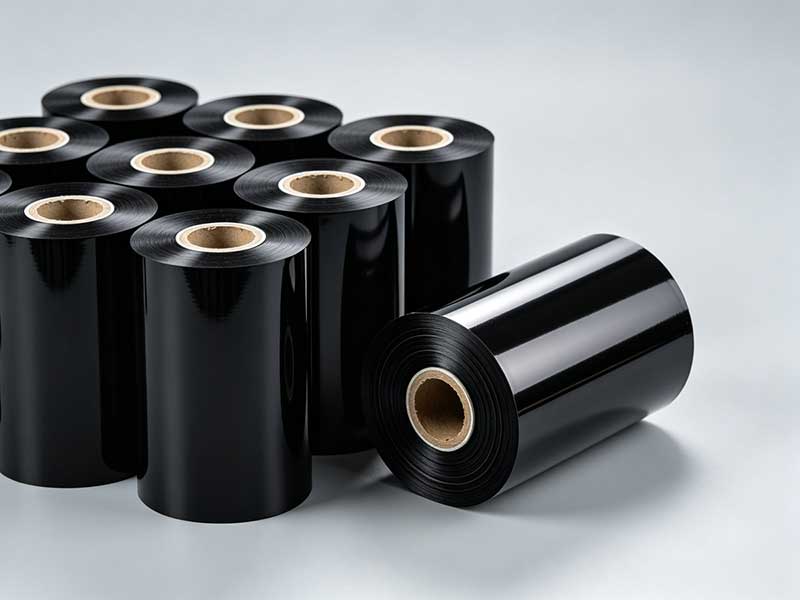
Its application scenarios go far beyond ribbon production workshops and span the entire consumables supply chain from manufacturing to end users.
07. November, 2026


 English
 Deutsch
 Français
 Español
 Português
 日本語
 русский
 한국어
 عربي
 ภาษาไทย
 Tiếng Việt
 Italiano