
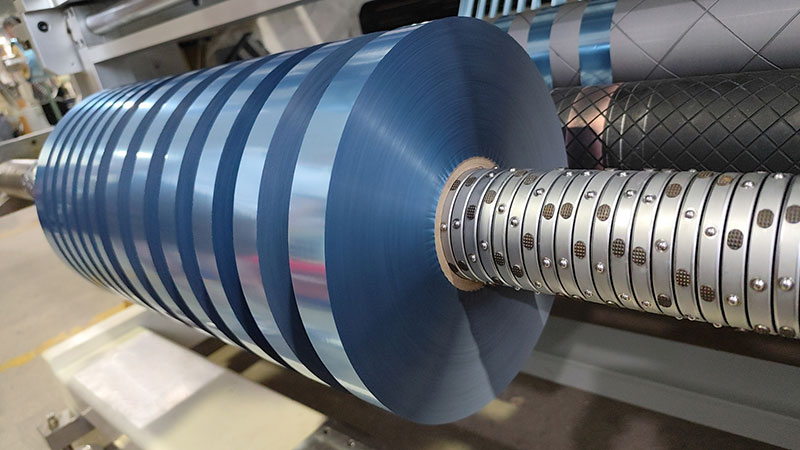
The working principle of the slitting rewinder mainly involves two processes: cutting and winding of materials.
First of all, the slitting rewinder precisely cuts the raw large roll of material by means of a blade on the knife holder. This step usually requires the width of the cut to be determined according to the customer's needs or the specifications of the downstream product. During the cutting process, the blade acts on the material with a certain speed and pressure, which cuts it to the desired width size.
Secondly, the cut material will be guided by the guide rollers to the rewinding section for winding. During the winding process, the slitting rewinder uses a tension control system to ensure that the material maintains the proper tension. This is to avoid slack or too much tension in the material during the winding process, which will affect the quality of the winding and the subsequent processing use.
In addition, the slitting rewinder may also be equipped with an automatic guiding system that detects the deviation of the material in real time and automatically adjusts the position of the guide rollers to ensure that the material remains straight at all times during the winding process.
Finally, the slitted and rewound material is wound into small rolls for subsequent processing, transport or storage. Throughout the process, the slitting rewinder precisely controls and coordinates the individual components through the control system to ensure the smooth progress of the whole process and the quality of the product.
In general, the working principle of the slitting rewinder is to process the original large roll material into the required width of the small roll material through precise cutting and winding operations to meet the diverse needs of customers.
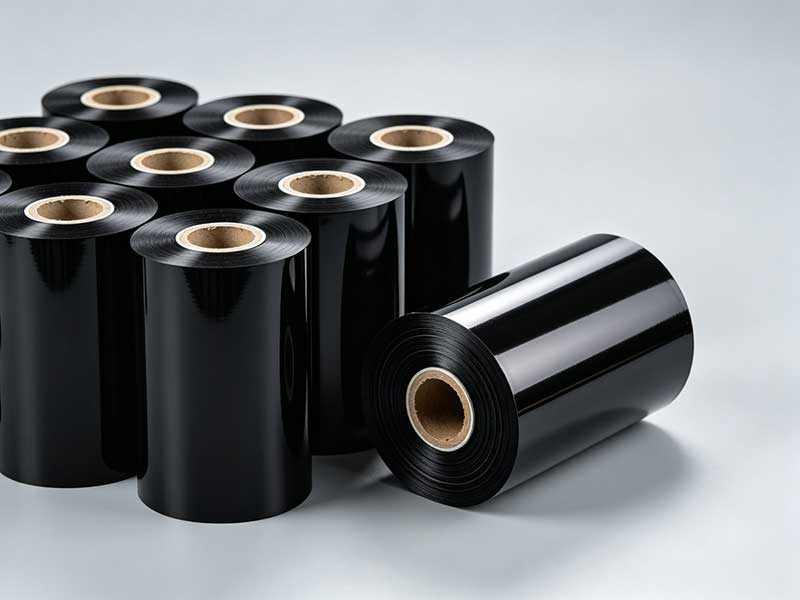
The first watershed in choosing a model isn't speed or brand, but rather — which type of ribbon do you mainly cut?
23. September, 2026
When asking suppliers the following seven questions, the quality of the answers is far more valuable than the numbers on the parameter table.
21. September, 2026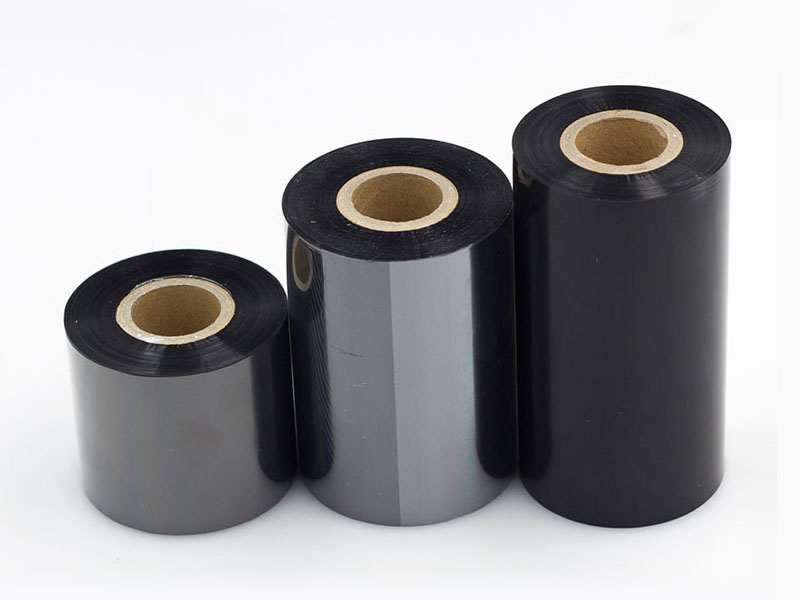
This guide explains what buyers need to know about each parameter—not just the numbers, but the practical implications for production quality, material compatibility, and total cost of ownership.
18. September, 2026This guide distills the technical specifications and practical considerations that separate production-ready machines from costly mistakes.
18. September, 2026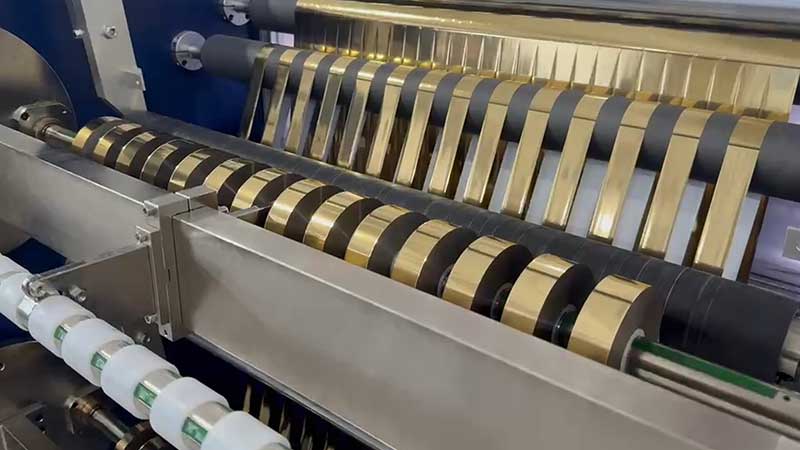
This guide breaks down the critical factors—from tension control to automation—to help you make an informed capital investment.
14. September, 2026


 English
 Deutsch
 Français
 Español
 Português
 日本語
日本語 русский
 한국어
한국어 عربي
عربي ภาษาไทย
 Tiếng Việt
 Italiano