
The slitting and rewinding process of plastic film mainly includes two steps: slitting and rewinding. Here's how it works:
First, slitting
1. Preparation:
• Check whether the functions of the slitter are normal, including blades, guide rollers, tension control system, etc.
• Adjust the parameters of the slitter according to the required slitting width and specifications, such as blade spacing, slitting speed, etc.
• Place the original large roll of plastic film on the unwinding device of the slitter machine and make sure it is firmly fixed.
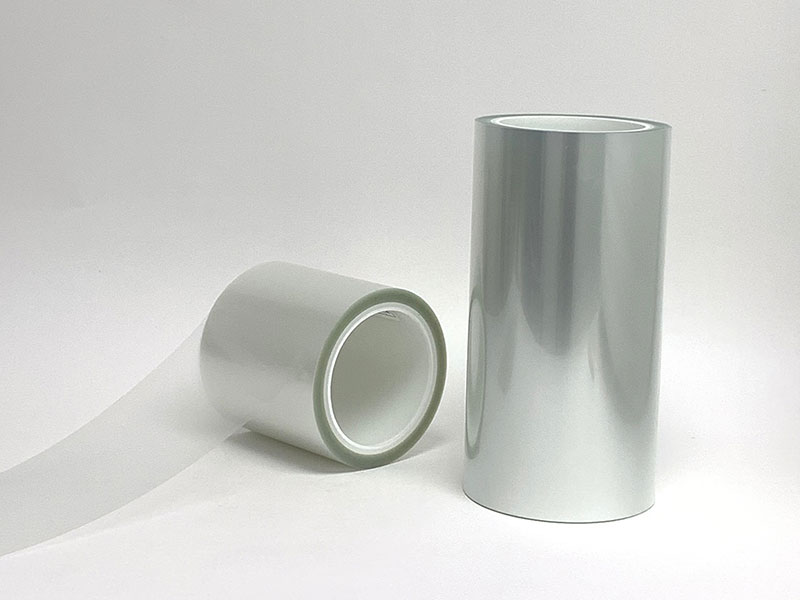
2. Slitting process:
• Start the slitting machine and start the slitting process.
• Adjust the tension and speed of the slitting machine according to the material and thickness of the plastic film to ensure the slitting quality.
• During the slitting process, the surface quality of the film should be continuously monitored to avoid scratches, breakage and other problems.
• When the slitting is to the desired length or size, the slitter is stopped and ready for rewinding.
3. Treatment after slitting:
• Carry out the necessary inspection and finishing of the slitted plastic film to ensure that the quality meets the requirements.
• Record the relevant information of slitting, such as slitting width, length, quantity, etc., for subsequent traceability and management.
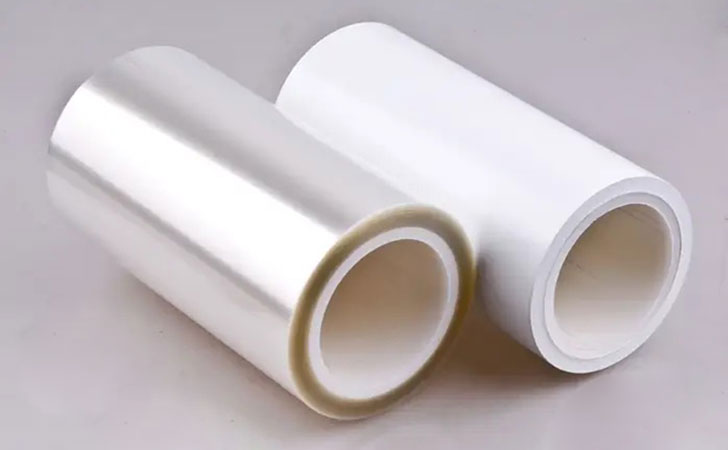
Second, re-roll
1. Preparation:
• Check whether the functions of the rewinder are normal, including the winding device, tension control system, cutting device, etc.
• Adjust the parameters of the rewinder, such as reel diameter, winding tension, speed, etc., according to the required rewinding specifications.
2. Rewinding Process:
• Place the slitted plastic film on the unwinding unit of the rewinder and make sure it is flat and wrinkle-free.
• Start the rewinder to start the rewinding process.
• Adjust the tension and speed of the rewinder according to the material and thickness of the plastic film to ensure the quality of the rewinding.
• During the rewinding process, the winding effect of the film should be continuously monitored to avoid problems such as curling edges and wrinkles.
• When rewinding to a set small roll diameter, the rewinder is stopped and ready for cutting and packing.
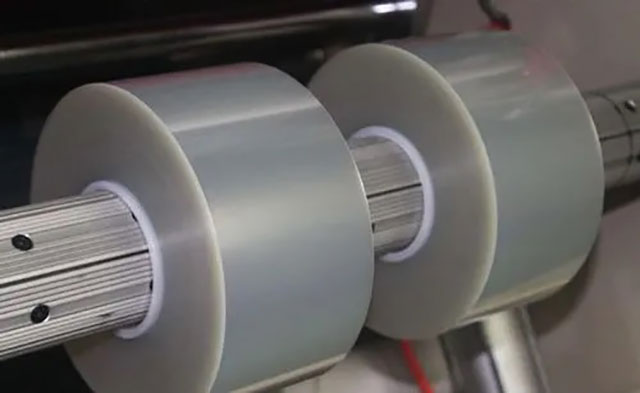
3. Post-rewinding treatment:
• The rewound plastic film is cut to form the desired roll size.
• Carry out the necessary inspection and finishing of the cut rolls to ensure that the quality meets the requirements.
• Label and package the rolls for subsequent shipping and use.
• Record rewinding information such as diameter, length, weight, etc., for subsequent traceability and management.
Precautions
• During the slitting and rewinding process, the equipment should always be kept clean and in good condition to avoid contamination of the film by impurities and dust.
• Regular maintenance and maintenance of the equipment, including cleaning blades, guide rollers and other components, checking the accuracy of the tension control system and cutting device, etc.
• During operation, strictly abide by the safety operation procedures to ensure the safety of personnel and equipment.
Through the above steps and precautions, you can ensure that the slitting and rewinding process of plastic film is carried out smoothly, and produce small rolls of plastic film products that meet the quality requirements.
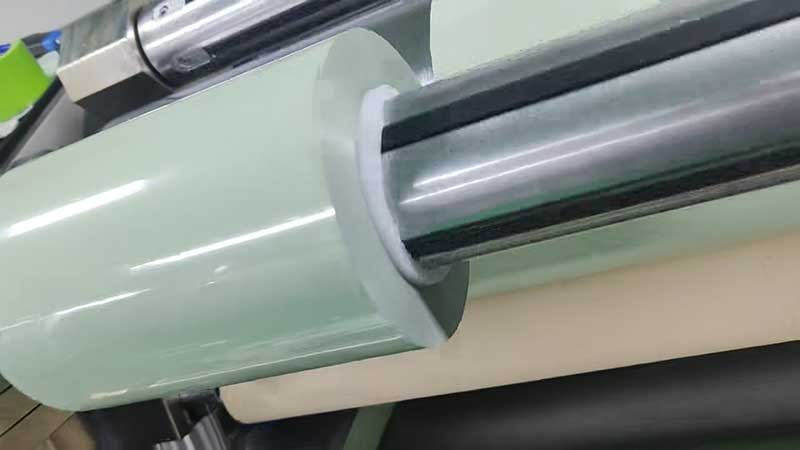
the film slitting machine is the core equipment for slicing wide, large rolls into narrow rolls of specific specifications.
26. August, 2026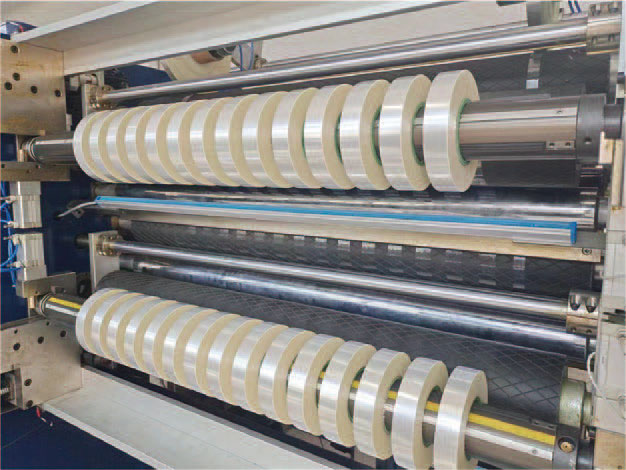
Faced with the dazzling array of models on the market, how can you clear away the spec fog and make wise decisions?
31. July, 2026It is necessary to systematically investigate and resolve issues from four dimensions: process parameters, equipment status, excipient quality, and technological innovation.
10. July, 2026By 2026, the following five technological breakthroughs are redefining industry standards for slitting efficiency and value.
06. July, 2026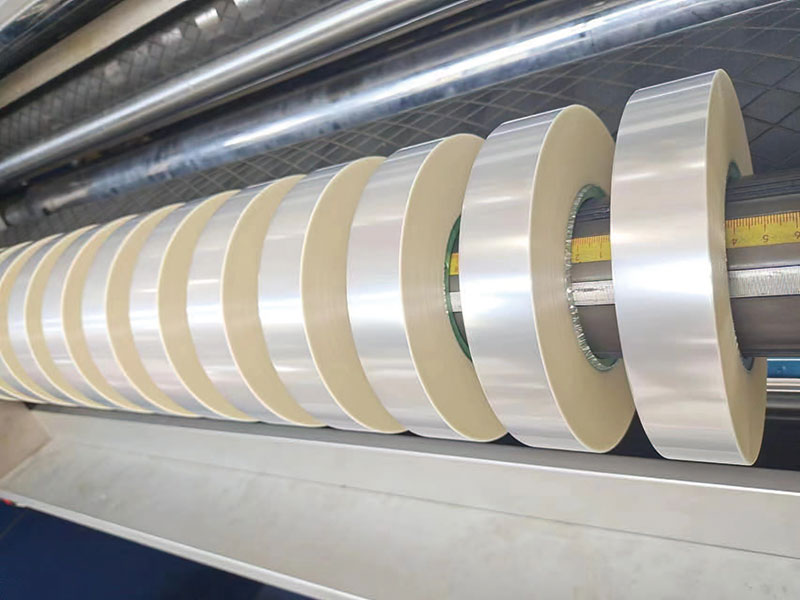
slitting machines are the core equipment for slicing wide, large rolls into narrow rolls of specific specifications.
02. July, 2026


 English
 Deutsch
 Français
 Español
 Português
 日本語
日本語 русский
 한국어
한국어 عربي
عربي ภาษาไทย
 Tiếng Việt
 Italiano