
The following is a customer case study of a film slitting machine, showing how an efficient slitting solution can help customers improve production efficiency and product quality.
Customer background
Industry: Packaging material manufacturing
Products:BOPP film (biaxially oriented polypropylene film)
Demand:
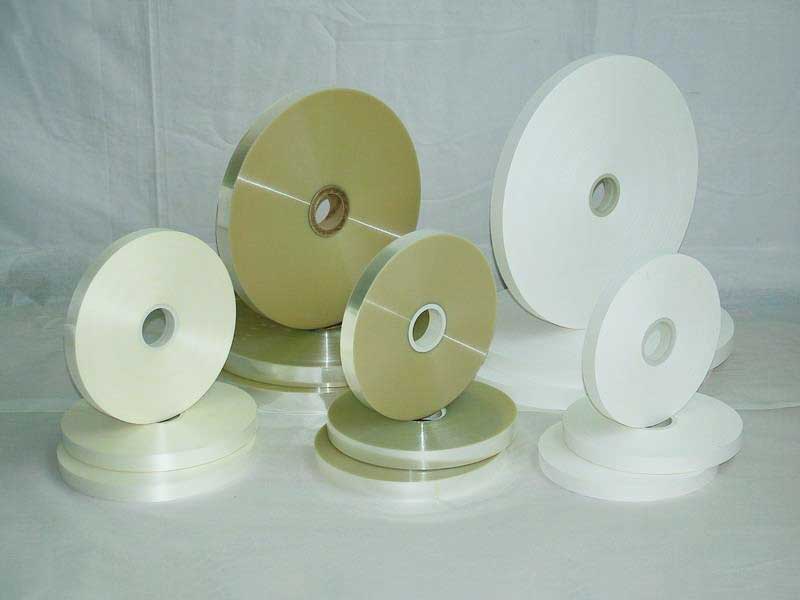
• Wide film (e.g. 2000mm) needs to be cut into narrow rolls of different widths (e.g. 500mm, 800mm, etc.).
• High slitting accuracy (±0.1mm), neat edges, no burrs, no wrinkles.
• The slitting speed needs to reach more than 300m/min to meet the needs of mass production.
• High equipment stability, reduce downtime and improve production efficiency.
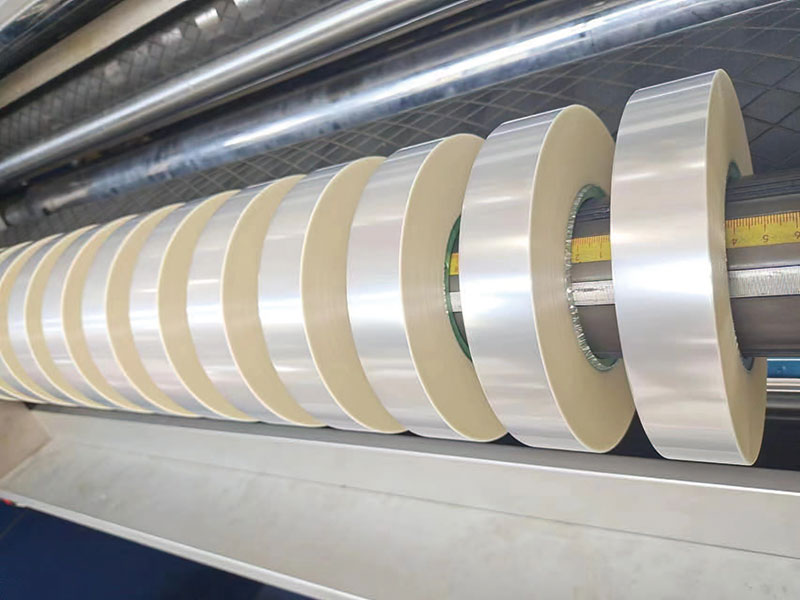
Solution: High efficiency film slitting machine
We recommended a fully automatic high-speed film slitting machine for the customer, which has the following core advantages:
1. High-precision slitting
◦ Servo drive control system is used to ensure that the slitting width accuracy is within ±0.05mm.
◦ Equipped with a high-rigidity round knife or air knife slitting system to ensure smooth and burr-free incisions.
2. High-speed and stable operation
◦ The slitting speed can reach 400m/min, which can meet the needs of customers above 300m/min.
◦ Constant tension control technology is used to avoid film stretching or deformation.
3. Intelligent operation
◦ Human-machine interface (HMI) touch screen control, simple parameter setting, support for multi-group recipe storage.
◦ Automatic Web Guiding System (EPC) to ensure that the film is rewound neatly and reduce manual intervention.
4. Low loss design
◦ Automatic suction device for waste edge to reduce material waste.
◦ Quick tool change design reduces downtime and improves production efficiency.
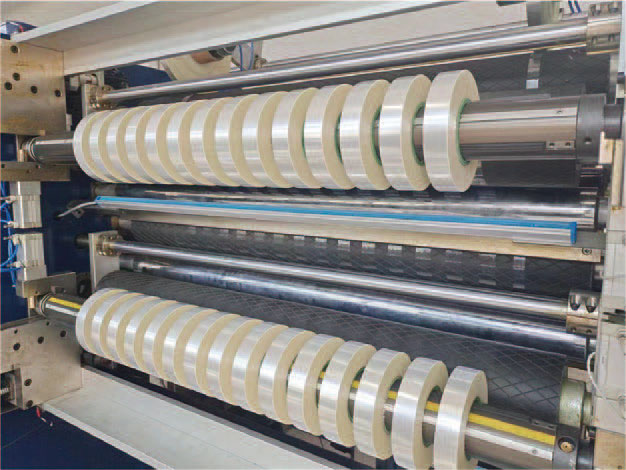
Customer benefits
1. Increased production efficiency
◦ The slitting speed has been increased from 200 m/min to 350 m/min, and the production capacity has been increased by 75%.
◦ High equipment stability, 60% reduction in failure rate, and reduction of unplanned downtime.
2. Slitting quality optimization
◦ The slitting accuracy is stable within ±0.1mm, the edges are neat, and the customer complaint rate is reduced by 90%.
◦ The tightness of the winding is uniform, and the yield rate of subsequent processing (such as printing and laminating) is improved.
3. Cost savings
◦ The scrap rate was reduced from 3% to 0.8%, saving about 150,000 yuan in material costs per year.
◦ High degree of automation, reduce manual operation, and reduce labor costs by 30%.
Testimonials
"This film slitting machine has completely exceeded our expectations, not only with fast slitting speed, but also with consistent quality, which has helped us greatly improve our production efficiency. The after-sales service team responded quickly and provided professional technical support, so that we have no worries. ”
——Production Manager of XX Packaging Materials Company
Applicable industries
This efficient slitting solution can also be applied to:
• Lithium battery separator (high-precision slitting, suitable for dust-free environment)
• Food packaging film (hygienic slitting, food safety compliant)
• Electronic protective film (ultra-thin material slitting, anti-static treatment)
If you have similar slitting needs, welcome to contact us, we will provide you with customized and efficient slitting solutions!
This article outlines a clear selection approach from four dimensions: material adaptation, core technical parameters, efficiency and cost, and supplier selection.
09. September, 2026Balancing speed and precision in film slitting machines is essentially a test of "control capability."
02. September, 2026This article will delve into the current application status, core technologies, and development trends of this equipment in the new energy sector.
28. August, 2026the film slitting machine is the core equipment for slicing wide, large rolls into narrow rolls of specific specifications.
26. August, 2026Tension control technology for thin film slitting machines involves interdisciplinary integration of control theory, mechanical design, and material mechanics.
26. August, 2026


 English
 Deutsch
 Français
 Español
 Português
 日本語
日本語 русский
 한국어
한국어 عربي
عربي ภาษาไทย
 Tiếng Việt
 Italiano