
Improving the efficiency of the slitter rewinder requires equipment optimization, operation process, maintenance management and technological innovation. Here are some of the key measures:
1. Equipment optimization and upgrading
• Choose the right model: Choose the right slitter and rewinder according to the material characteristics (e.g. film, paper, non-woven fabric, etc.) to ensure that the equipment parameters (tension, speed, width) meet the production needs.
• Automation Retrofit:
◦ Install automatic deviation correction system to reduce manual adjustment time.
◦ PLC or intelligent control system is used to achieve precise control of tension, speed and cutting.
◦ Equipped with automatic roll changing device to reduce downtime.
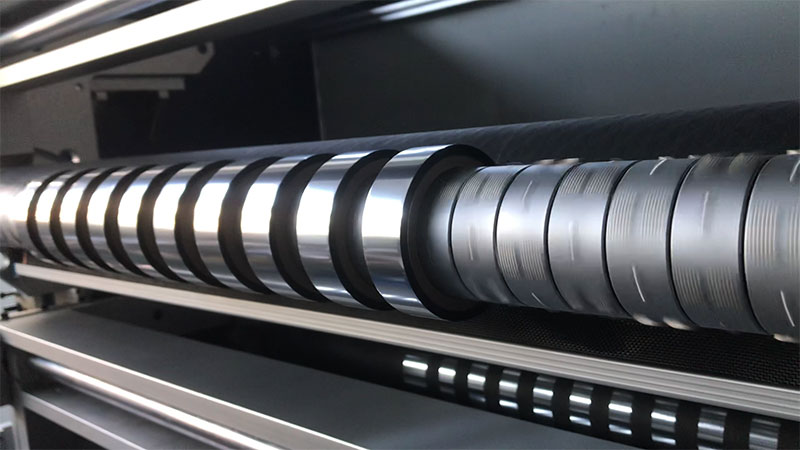
• Tool optimization: Use high-quality round or straight knives and sharpen or change them regularly to ensure a flat cut and reduce burrs and scrap.
2. Adjustment of process parameters
• Tension control: Adjust the unwinding and winding tension according to the material properties to avoid being too tight (resulting in deformation) or too loose (causing offset).
• Speed matching: gradually increase the speed on the premise of ensuring the quality of slitting, and avoid breaking or splitting due to excessive speed.
• Slitting width optimization: Maximize material utilization by reducing waste edges through proper nesting (e.g. using a CNC register system).
3. Optimization of operation process
• Standardized Operations:
◦ Develop detailed operating procedures (SOPs) to reduce human operating variability.
◦ Train operators to be proficient in feeding, parameter setting and troubleshooting.
• Quick Mold Change (SMED):
◦ Prepare tools and materials in advance to reduce downtime for format changes.
◦ Use a modular design to simplify adjustments.
• Production planning integration: Orders of the same specification are produced in a centralized manner, reducing frequent parameter switching.
4. Maintenance and upkeep
• Scheduled Maintenance:
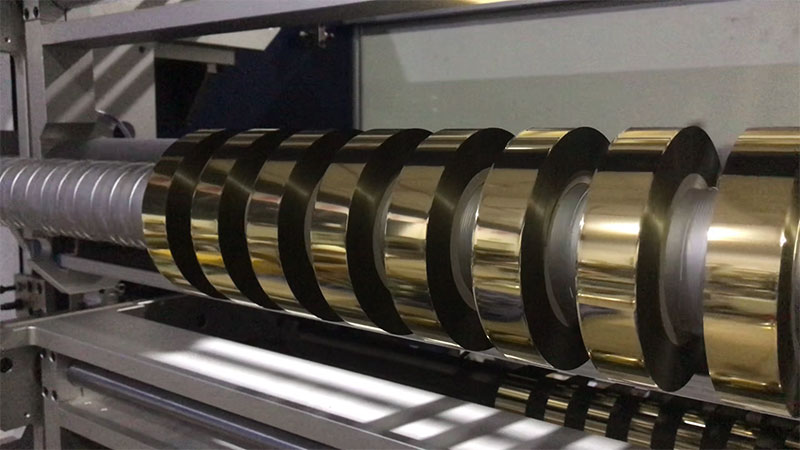
◦ Clean rollers, rails, and sensors to prevent dust build-up from affecting accuracy.
◦ Lubricate bearings and transmission components to reduce wear.
• Preventive check-ups:
◦ Regularly inspect the pneumatic system, motor, and electrical components.
◦ Record equipment failure history for targeted improvement.
5. Quality management and waste control
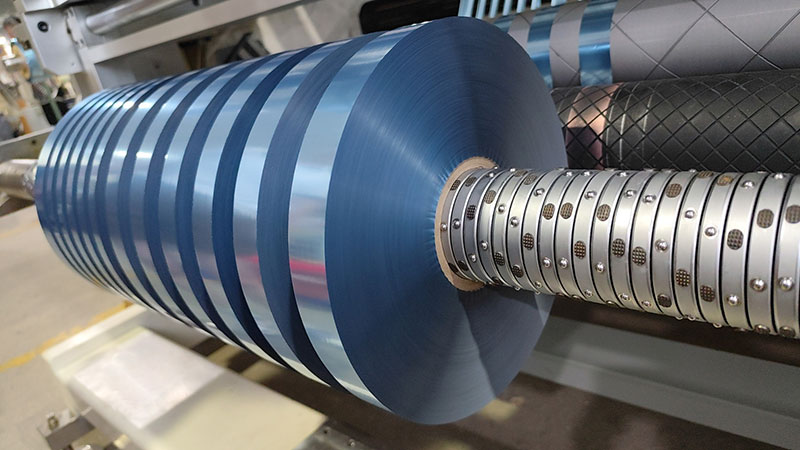
• On-line detection: install cameras or sensors to monitor the slitting quality (such as edge uniformity, roll diameter consistency) in real time, and adjust it in time.
• Waste Reduction:
◦ Optimize the slitting scheme to reduce cutting waste.
◦ Recycling of offcuts (e.g. rewinding or shredding).
• First article inspection: The first volume of each batch is strictly inspected after start-up to avoid batch failure.
6. Data analysis and continuous improvement
• Record key data: such as downtime, cause of failure, output, etc., and analyze efficiency bottlenecks.
• Introduce MES system: monitor equipment OEE (overall equipment effectiveness) and locate problem links (e.g. long preparation time, insufficient speed, etc.).
7. Other details
• Environmental control: keep the temperature and humidity of the workshop stable to avoid material deformation (such as paper moisture).
• Human-machine collaboration: Arrange shifts reasonably to avoid mistakes caused by fatigue operation.
Case Reference
• A film manufacturer reduced the scrap rate from 5% to 1.2% and increased the speed by 20% by installing an automatic tension control system.
• Label printing plant with fast roll change device, which reduces roll change time from 10 minutes to 2 minutes.
By optimizing equipment, processes and management, the efficiency of the slitter rewinder can be significantly improved, while reducing costs and scrap rates. The key is continuous improvement based on actual production conditions.
Width determines the rigidity and correction accuracy of the equipment's structure, while speed tests the real-time responsiveness of tension control.
24. September, 2026
This article provides a current selection framework from four dimensions: material adaptation, core parameters, intelligent configuration, and cost evaluation.
24. September, 2026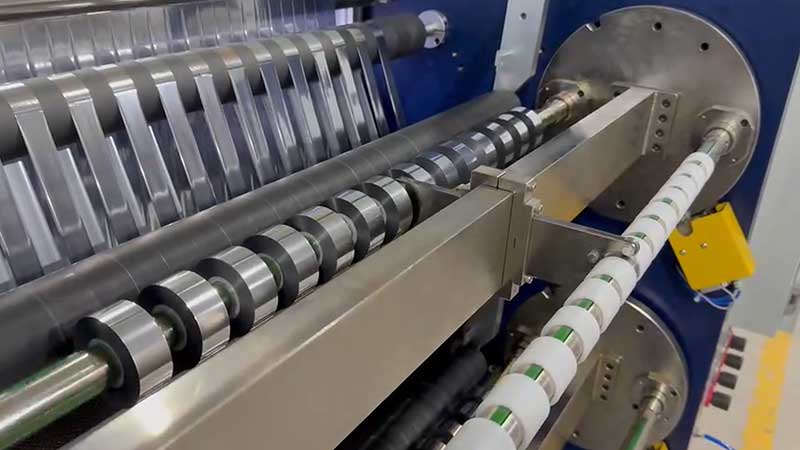
Faced with the wide variety of promotions in the market, buyers only need to focus on five core dimensions to avoid most pitfalls.
24. September, 2026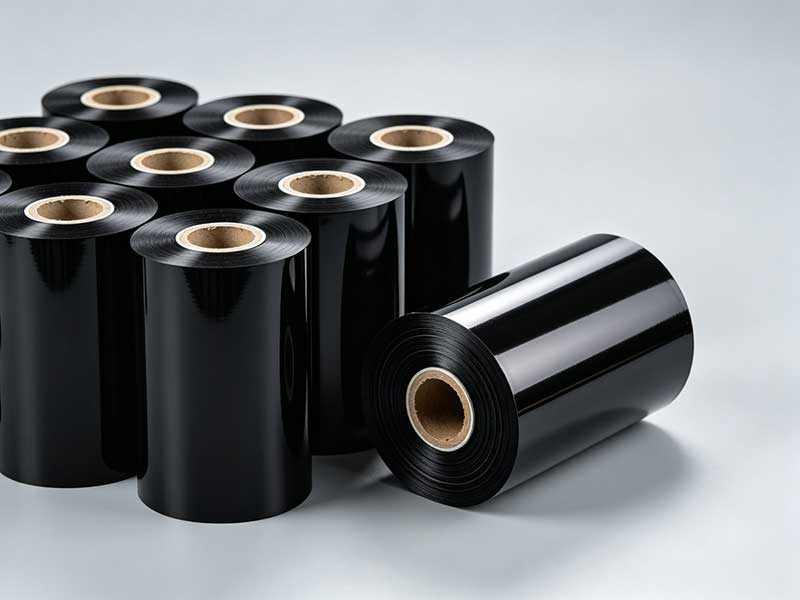
The first watershed in choosing a model isn't speed or brand, but rather — which type of ribbon do you mainly cut?
23. September, 2026
When asking suppliers the following seven questions, the quality of the answers is far more valuable than the numbers on the parameter table.
21. September, 2026


 English
 Deutsch
 Français
 Español
 Português
 日本語
日本語 русский
 한국어
한국어 عربي
عربي ภาษาไทย
 Tiếng Việt
 Italiano