
In the slitting process of ribbon (thermal transfer ribbon, barcode ribbon), high-precision slitting and stable tension control directly affect product quality and production efficiency. The traditional slitting machine is prone to problems such as material stretching, uneven edges, and inconsistent coiling tightness, but the innovative design of multi-axis synchronous drive + intelligent tension control can greatly improve the slitting accuracy and stability.
1. The core challenge of ribbon slitting
• Material characteristics: Ribbons are usually composed of PET film + coating, thin (10-30μm), easy to stretch, and sensitive to tension.
• Slitting requirements:
◦ High-precision (±0.05mm) slitting to avoid burrs or coating peeling off.
◦ Constant tension control (5-50N) to prevent material deformation or breakage.
◦ Stability at high speed slitting (100-300m/min).
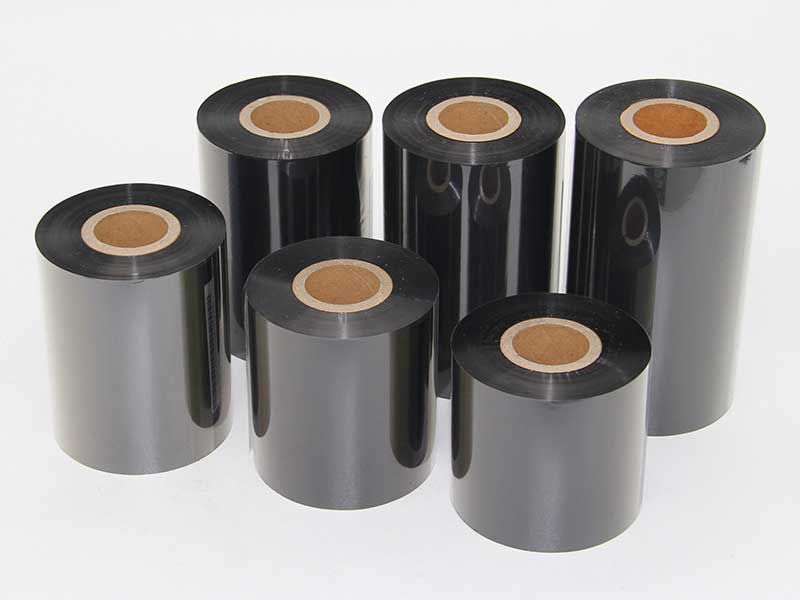
2. Innovative function design: multi-axis synchronization + tension control
(1) Multi-axis synchronous drive system
• Traditional problem: Single-motor drive can easily cause the speed of each axis to be out of sync, resulting in material pulling or accumulation.
• Innovative solutions:
• Servo motor + electronic gear synchronization: the speed of each axis is adjusted in real time through PLC or motion controller to ensure that the unwinding, traction and rewinding speed are strictly matched.
• Closed-loop feedback control: The encoder monitors the position of each axis in real time and dynamically compensates for the error (e.g., ±0.01mm).
✅ Advantage:
• Avoid stretching or wrinkling of the material and improve slitting accuracy.
• Adapt to high-speed slitting (more than 200m/min).
(2) Intelligent tension control technology
• Traditional problem: mechanical tension control (magnetic particle brake) is slow to respond and prone to fluctuations.
• Innovative solutions:
◦ Full closed-loop tension control:
▪ The tension sensor detects the material tension in real time.
▪ The PID algorithm dynamically adjusts the rewinding/unwinding torque to keep the tension constant (e.g. ± 1% fluctuation).
◦ Segmented Tension Control:
▪ Unwinding (decreasing tension), slitting zone (constant tension), winding (increasing tension) are adjusted independently.
✅ Advantage:
• Avoid ribbon breakage or loose rolls, especially for ultra-thin materials.
• Reduce manual intervention and achieve "one-click parameter tuning".
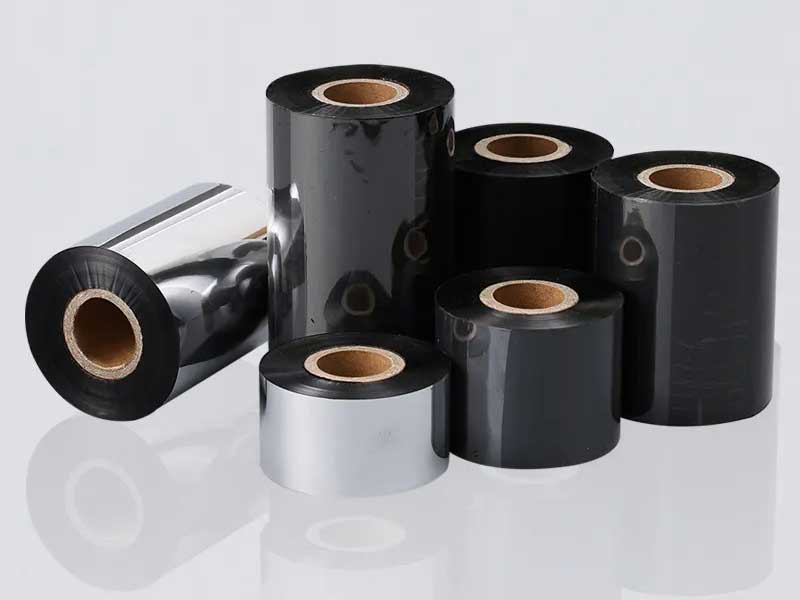
3. System integration and intelligent expansion
(1) Human-Computer Interaction (HMI)
• Touch screen to set slitting parameters (width, tension, speed).
• Real-time display of tension curve and slitting error alarm.
(2) Automatic deviation correction system
• The photoelectric sensor detects the edge of the ribbon and automatically adjusts the position of the slitting knife to ensure the straightness of the slitting.
(3) Internet of Things (IoT) remote monitoring
• Upload production data (such as the number of slitting meters and fault records) through 4G and 5G to achieve remote O&M.
4. Comparison of application effects
| index | Traditional slitting machine | Innovative Slitting Machine (Multi-Axis + Tension Control) |
| Slitting accuracy | ±0.1mm | ±0.05mm |
| Tension fluctuations | ±10% | ±1% |
| Maximum speed | 100m/min | 300m/min |
| Scrap | 3%-5% | <0.5% |
5. Industry application cases
• Barcode ribbon: high slitting accuracy is required (such as 1.25mm narrow ribbon), and coating damage needs to be avoided.
• Thermal Transfer Ribbon: Unstable tension will cause color difference in printing, multi-axis synchronization ensures uniform winding.
• Electronic films: such as FPC cover film slitting, ultra-low tension (< 5N) control.
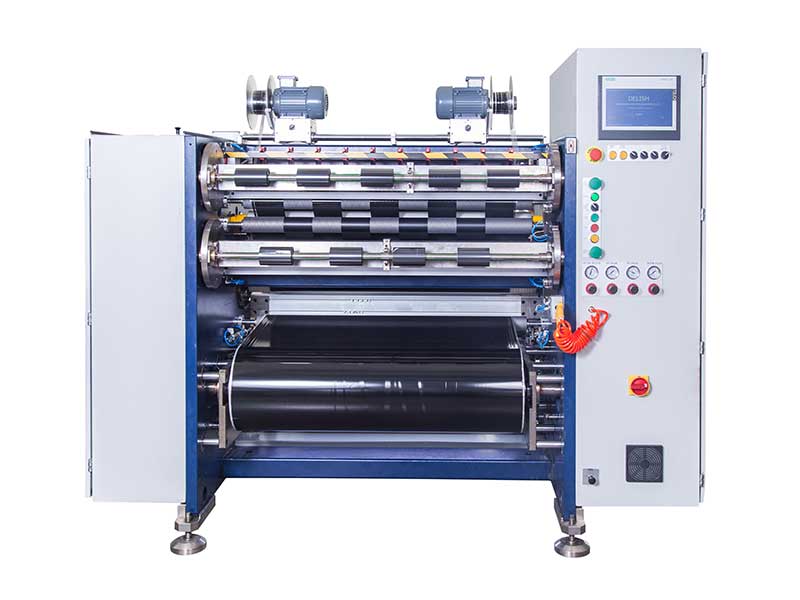
6. Purchase advice
• Core configuration:
◦ Servo motor (e.g. Panasonic, Yaskawa) + high-precision encoder.
◦ Tension sensor (e.g., SMC, FUTEK) + PLC (e.g., Siemens, Mitsubishi).
• Brand Recommendation:
◦ Domestic: Dongguan Hongshan (cost-effective), Jiangsu Fangbang (high-end model).
◦ Imports: Italy COMEX, Japan KANZAKI (ultra-precision slitting).
summary
With multi-axis synchronous drive and intelligent tension control, the ribbon slitter achieves:
• Higher accuracy (±0.05mm)
• More stable tension (±1% fluctuation)
• Faster speed (300m/min)
• Lower scrap rate (< 0.5%)
This innovative design is particularly suitable for the production of high value-added ribbons (e.g. electronic grade, medical grade) and helps companies to increase their competitiveness!
If you need technical solutions or equipment selection support, welcome to further discussion!
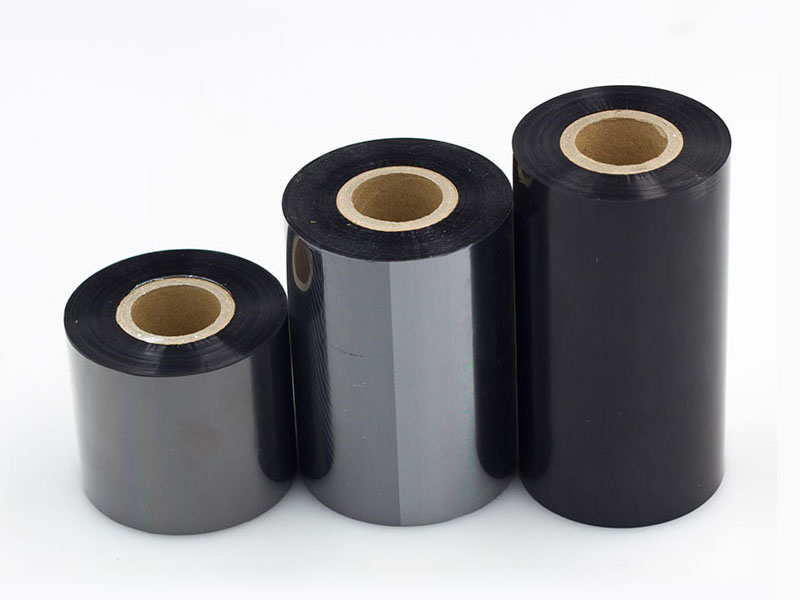
The value of the fully automatic ribbon slitting machine lies precisely in these two most basic criteria: precise cutting, minimal waste.
27. October, 2026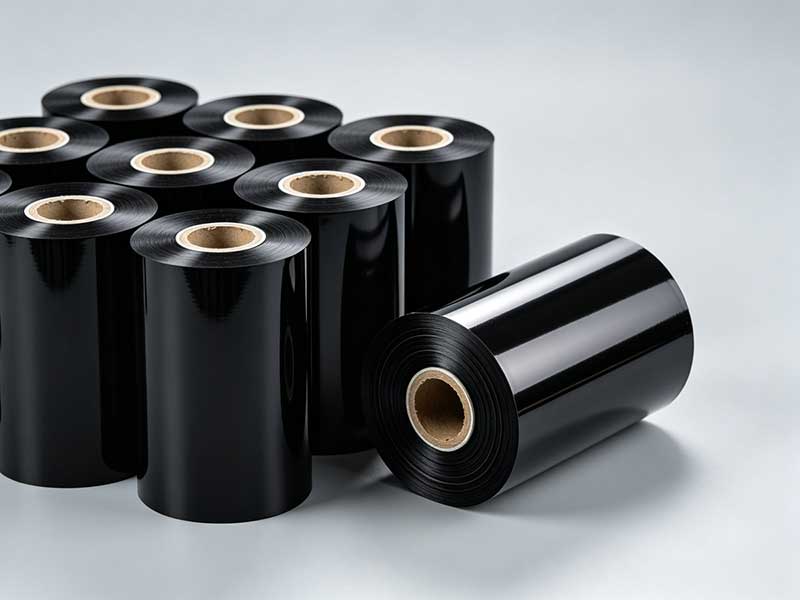
The widespread adoption of fully automatic ribbon slitting machines is changing this situation. Its core value can be summed up in six words: efficient, stable, and labor-saving.
22. October, 2026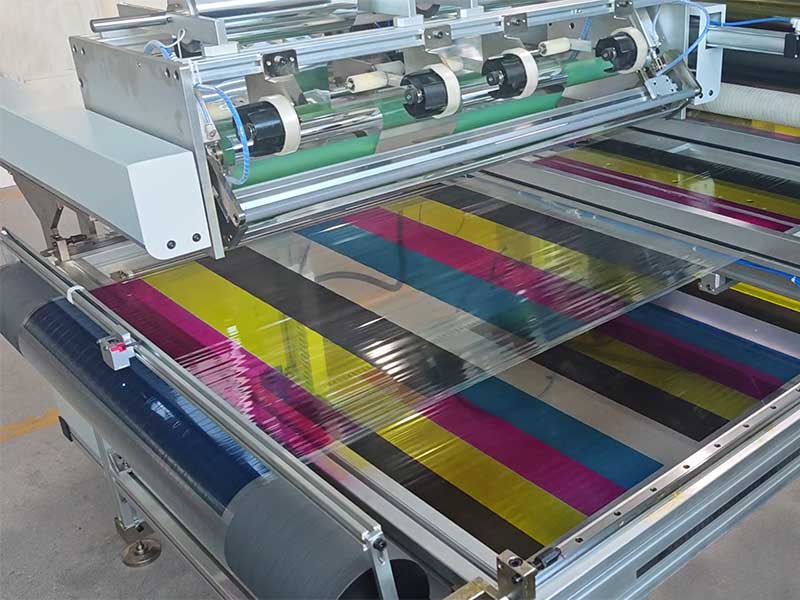
The color ribbon slitting machine is mainly used for wide roll slitting and rewinding of materials such as card printer color ribbons and thermal transfer ribbons.
21. October, 2026This article will break down the technical core of this function from four dimensions: signal detection, control logic, shutdown strategy, and precision calibration.
19. October, 2026The value of the automatic correction function lies in incorporating this runaway variable into a precise closed loop, shifting slitting operations from "post-event selection" to "real-time self-heali
19. October, 2026


 English
 Deutsch
 Français
 Español
 Português
 日本語
 русский
 한국어
 عربي
 ภาษาไทย
 Tiếng Việt
 Italiano