
Barcode ribbon slitting machine is widely used in the logistics label industry, mainly used to cut large rolls of ribbon or label materials into specific specifications to meet the printing needs of different scenarios. The following are the five typical application scenarios and their specific descriptions:
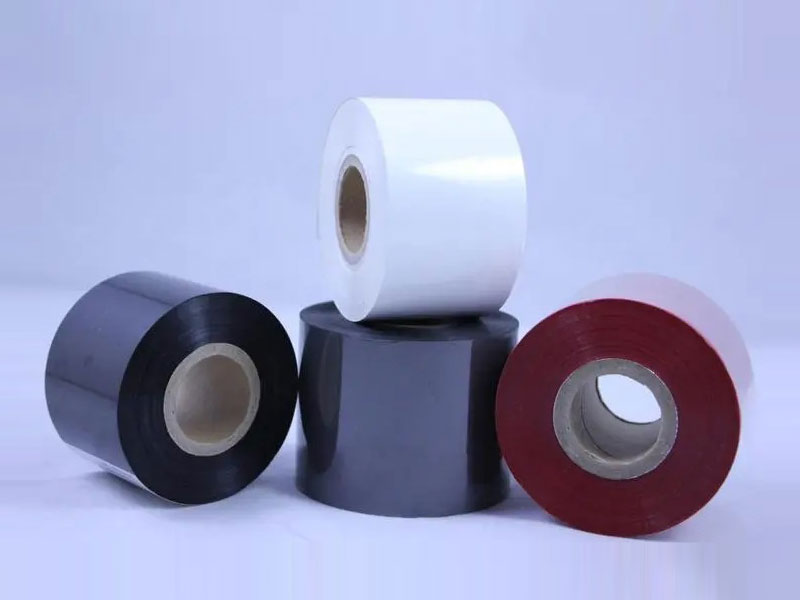
1. Printing of logistics face sheets
• Scenario requirements: The e-commerce and express delivery industries need a large number of high-definition, wear-resistant logistics bills to ensure that the barcodes and information are readable during transportation.
• Slitting machine function: The slitting machine will cut the wide ribbon into a narrow format (such as 110mm width) suitable for the face sheet printer (such as thermal transfer printer), and match the face sheet labels of different sizes (such as 100×150mm).
• Advantages: Precise slitting avoids waste, improves the adaptability of ribbon and label, and ensures long-lasting and clear printing results.
2. Storage shelf labels
• Scenario requirements: In warehouse management, barcode labels need to be pasted on shelves, pallets and goods, which is convenient for scanning code inventory or warehousing management.
• Slitter function: Slitting ribbon to a width suitable for small and medium-sized labels (e.g., 50×30mm), compatible with storage printers (e.g., Zebra, TSC models).
• Advantages: Support batch slitting of different specifications to meet the needs of diverse label sizes and improve the efficiency of warehousing operations.
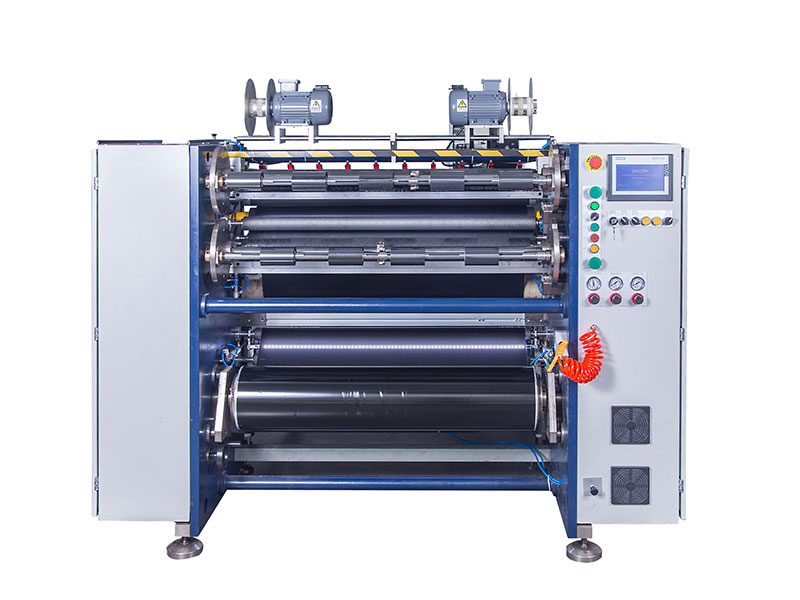
3. Cold chain logistics label
• Scenario requirements: In refrigerated or frozen transportation, the label needs to be resistant to low temperature and moisture, and the barcode can still be recognized under temperature differences.
• Slitting machine function: slitting special material ribbon (such as wax-based resin hybrid type), suitable for low-temperature resistant label materials (such as synthetic paper or PET label).
• Advantage: Ensure that the ribbon is perfectly matched to the specialty label and avoid blurry or falling off prints due to slitting errors.
4. Multilingual labels for cross-border logistics
• Scenario requirements: Cross-border packages need to print multi-language labels, including shipping identification (such as fragile and upward) and international barcodes (such as GS1-128).
• Slitter function: Slitting high-resolution ribbons, supporting complex symbols and small print printing, adapting to international standard label sizes (such as 4×6 inches).
• Advantage: Precise control of the slitting width to avoid misalignment or truncation when printing multilingual content.
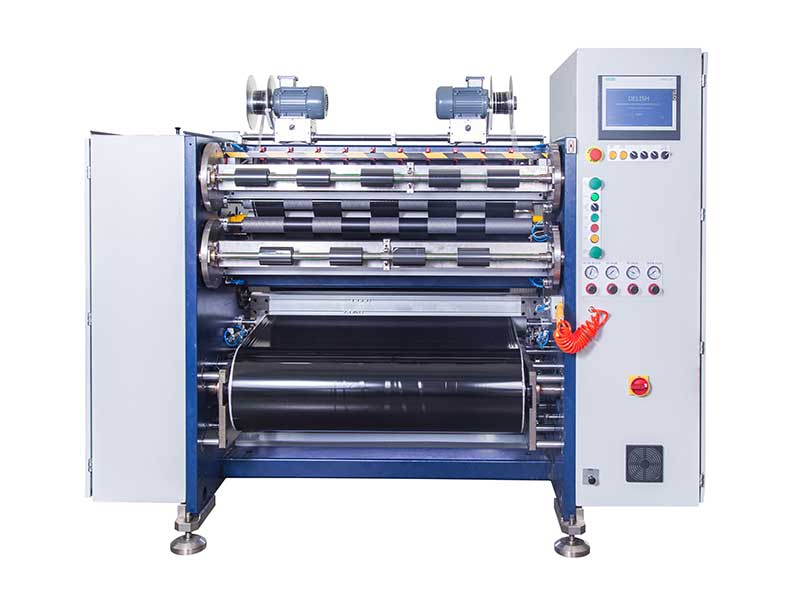
5. Returns & Reverse Logistics Labels
• Scenario requirements: Labels need to be regenerated during the return process, which requires fast printing and information that can overwrite the original barcode (e.g., with overlay labels).
• Slitter function: Slitting low-cost ribbons (e.g. pure wax base), matching overlay labels or easy-to-tear stickers, and supporting quick roll changes.
• Advantage: By slitting different adhesive ribbons, it can meet the adhesion needs of temporary labels and reduce the cost of consumables.
Added value
• Customized slitting: slitting non-standard sizes according to customer needs (e.g., ultra-narrow ribbon for small electronic labels).
• Consumables optimization: reduce the waste of leftovers and reduce the cost of ribbon procurement for logistics enterprises.
• Compatibility expansion: Adapt to mainstream printing devices (such as Zebra, Brother, Canon, etc.) to improve the efficiency of supply chain collaboration.
Through the above applications, the barcode ribbon slitting machine has become a key equipment for improving efficiency and reducing costs in the logistics label industry, especially suitable for high-frequency and multi-specification label printing scenarios.
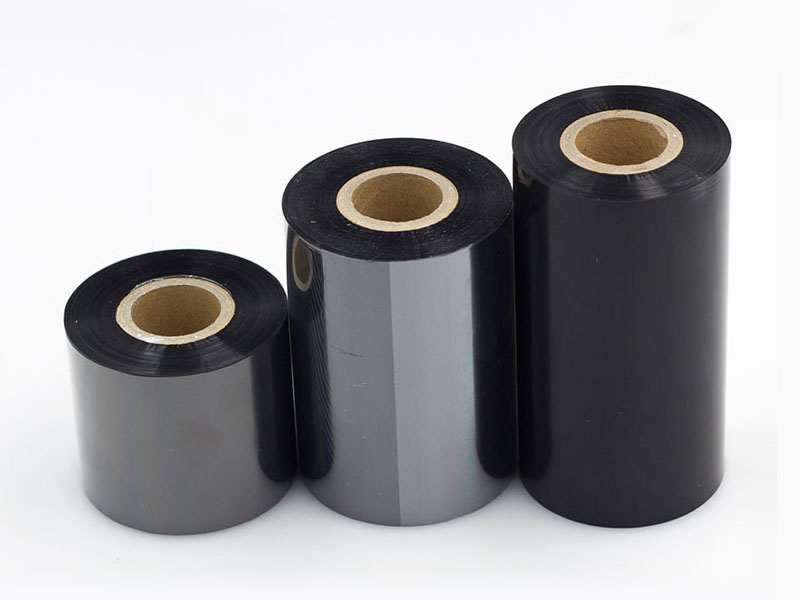
Only a slitting machine that can withstand real-world testing can truly save you peace and improve efficiency.
07. September, 2026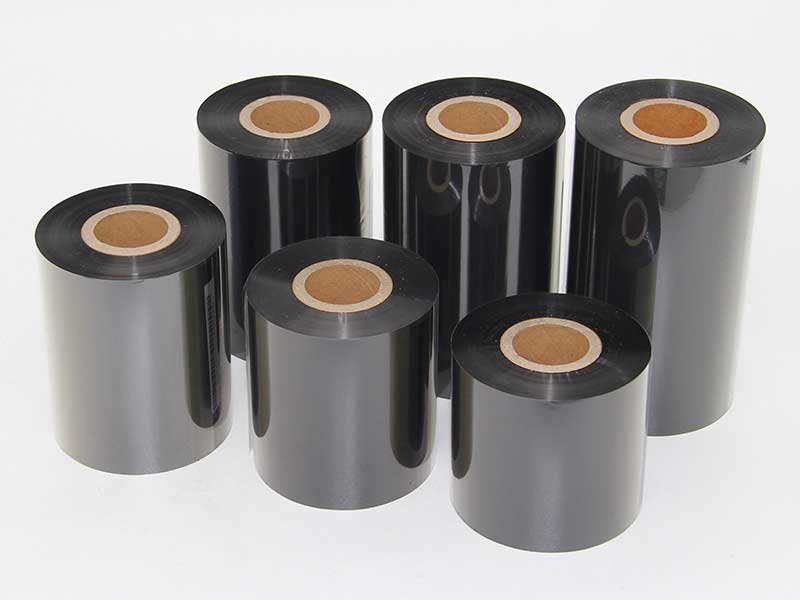
Choosing such equipment requires a comprehensive evaluation of precision, mechanical design, tension control, and intelligence level.
07. September, 2026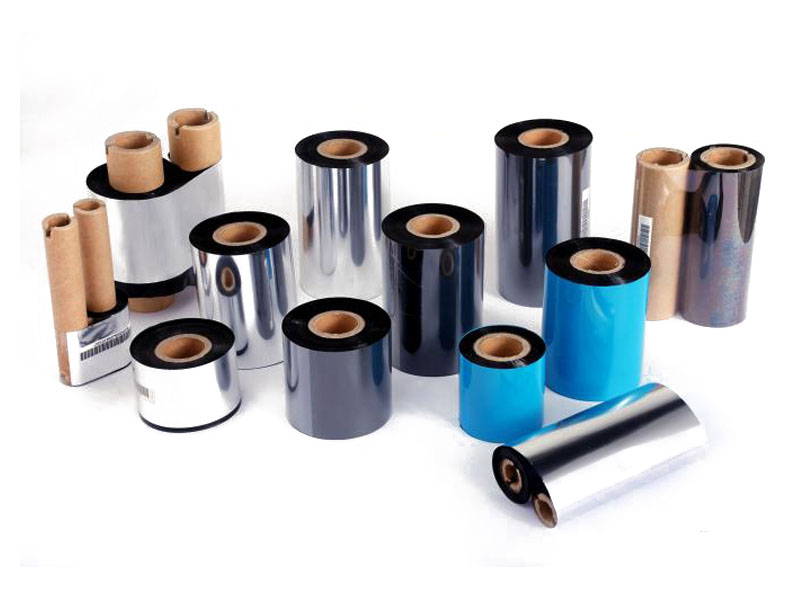
The following analysis follows the positioning and trade-off logic of three core dimensions.
07. September, 2026The core approach to maintenance should shift from "repairing equipment when it breaks" to "proactively preventing, identifying and eliminating hidden dangers in advance."
03. September, 2026
Looking ahead to the next five years, the technology race for ribbon slitting machines will focus on fully automated processes and predictive maintenance.
31. August, 2026


 English
 Deutsch
 Français
 Español
 Português
 日本語
日本語 русский
 한국어
한국어 عربي
عربي ภาษาไทย
 Tiếng Việt
 Italiano