
summary
This paper discusses the optimization practice of the whole process from slitting to packaging of the integrated ribbon slitting machine, analyzes the bottleneck problems in the traditional production process, and proposes a series of improvement measures, including equipment integration optimization, process parameter adjustment, automation upgrade and quality management enhancement. Through the implementation of these optimization measures, the company has achieved a 35% increase in production efficiency, a 22% reduction in material loss, and a 99.5% increase in packaging qualification rate.
1. Introduction
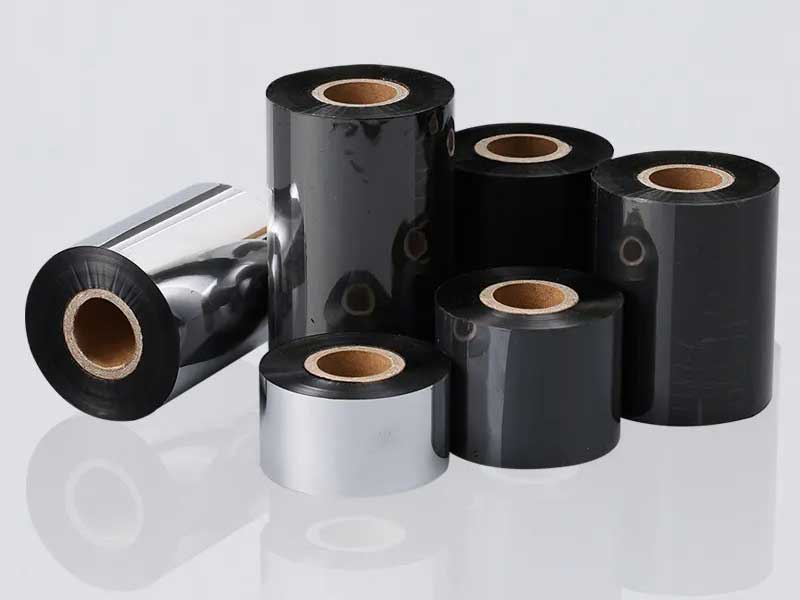
As the core material of thermal transfer printing, the slitting quality of ribbon directly affects the printing effect and performance. Traditional ribbon production adopts decentralized process, which has problems such as low efficiency, large loss and unstable quality. The integrated ribbon slitting machine integrates slitting, testing, packaging and other processes, providing a hardware foundation for process optimization.
2. Analysis of traditional production processes
2.1 Main processes
• Raw material unwinding→ slitting→ quality inspection→ rewinding→ packaging
• Each process is equipped with independent equipment, which needs to be handled and repositioned multiple times
2.2 Main Issues
1. The process connection efficiency is low, accounting for 25-30% of the whole production time.
2. Increased risk of surface scratches due to multiple handlings
3. The matching degree between the slitting parameters and the packaging specifications is poor
4. The quality inspection is lagging behind, and the defective products are found late
3. Integrated equipment optimization scheme
3.1 Optimization of mechanical structure
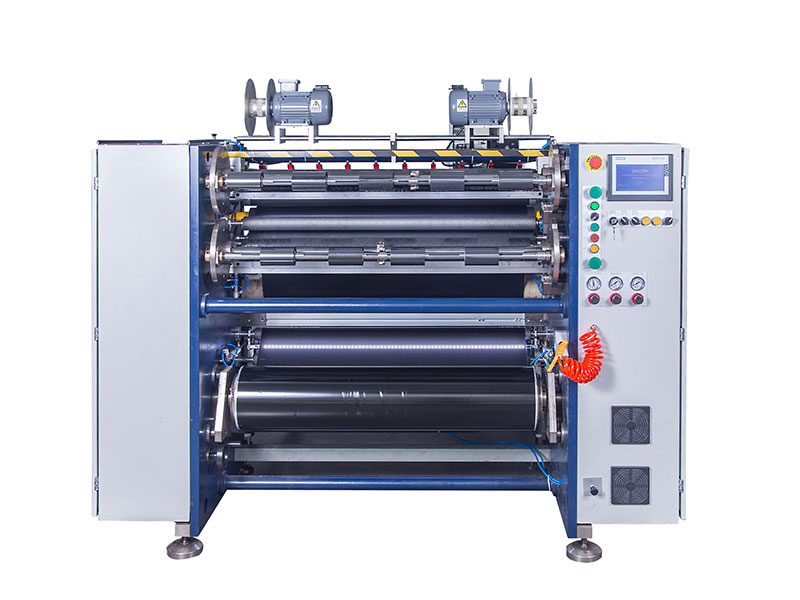
• Adopt a "one" layout to reduce the transmission distance
• Integrated tension control system, slitting tension ± 0.5N
• Automatic deviation correction device, the deviation is controlled within ±0.2mm
3.2 Electrical control system upgrade
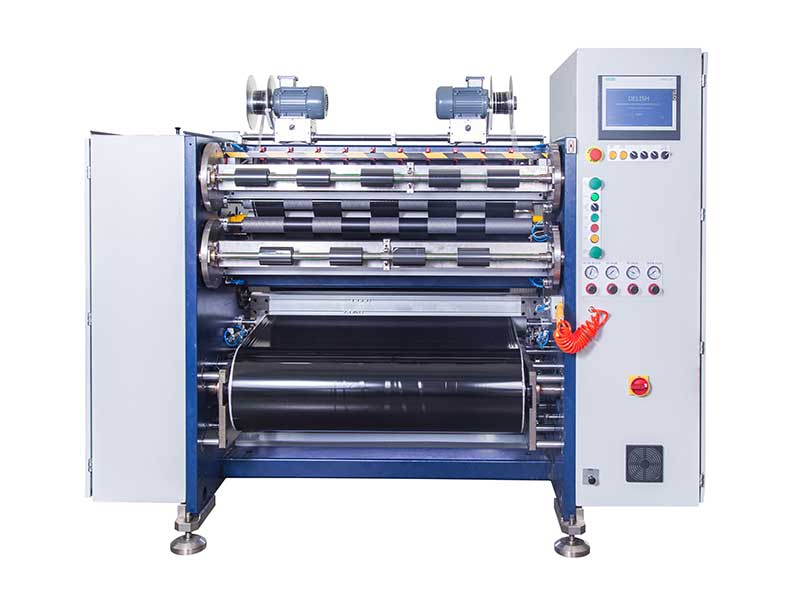
• PLC+touch screen control, preset 20 kinds of product parameters
• On-line thickness measurement system, real-time monitoring of thickness deviation
• Automatic counting and length control with an accuracy of ±0.1m
4. Process optimization
4.1 Optimization of slitting process parameters
| parameter | Before optimization | After optimization |
| Slitting speed | 80m/min | 120m/min |
| Slitting tension | 15N±2N | 18N±0.5N |
| Tool life | 8 hours | 24 hours |
4.2 On-line detection system
• Integrated CCD visual inspection, detection speed of 150 frames/second
• Defect identification accuracy≥ 99.8%
• Automatically flag defective locations for easy follow-up processing
5. Packaging process improvement
5.1 Automatic packaging system
• Automatic cutting and winding to reduce manual intervention
• Intelligent packaging material matching system
• Nitrogen replacement device for moisture-proof packaging
5.2 Packaging Quality Control
1. Appearance inspection: no scratches, no wrinkles
2. Dimensional accuracy: width deviation≤±0.1mm
3. Core concentricity: ≤0.05mm
4. Packaging tightness: helium leak detection rate< 1×10⁻⁶Pa·m³/s
6. Implementation Effects
After 3 months of trial operation and adjustment, the main indicators have improved as follows:
• Productivity: 35% increase
• Material loss: from 5.2% to 4.1%
• Energy consumption: 18% reduction
• Packaging pass rate: increased from 97.3% to 99.5%
• Labor costs: 40% reduction
7. Conclusion
The process optimization practice of the integrated ribbon slitting machine shows that the production efficiency and product quality can be significantly improved through equipment integration, process parameter optimization and intelligent transformation. In the future, we can further explore the application of big data analysis and artificial intelligence technology in predictive maintenance and adaptive control to achieve a higher level of intelligent manufacturing.
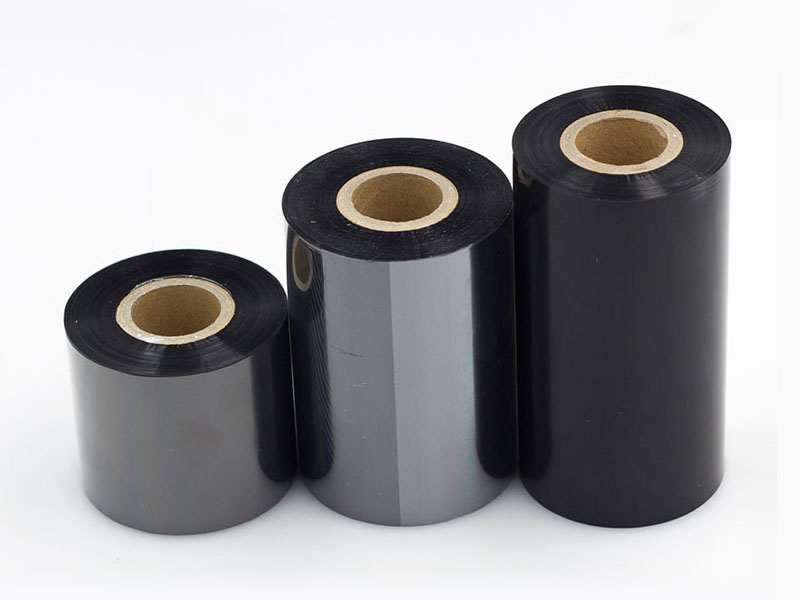
The value of the fully automatic ribbon slitting machine lies precisely in these two most basic criteria: precise cutting, minimal waste.
27. October, 2026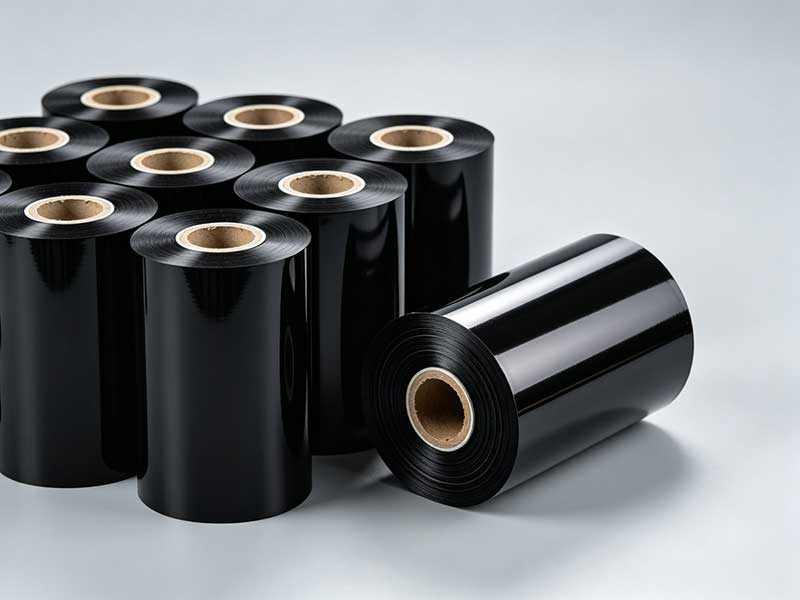
The widespread adoption of fully automatic ribbon slitting machines is changing this situation. Its core value can be summed up in six words: efficient, stable, and labor-saving.
22. October, 2026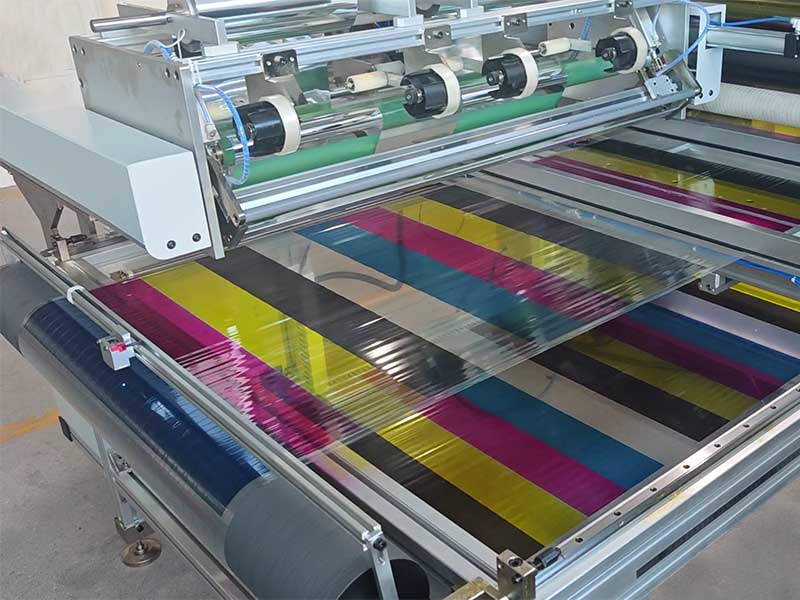
The color ribbon slitting machine is mainly used for wide roll slitting and rewinding of materials such as card printer color ribbons and thermal transfer ribbons.
21. October, 2026This article will break down the technical core of this function from four dimensions: signal detection, control logic, shutdown strategy, and precision calibration.
19. October, 2026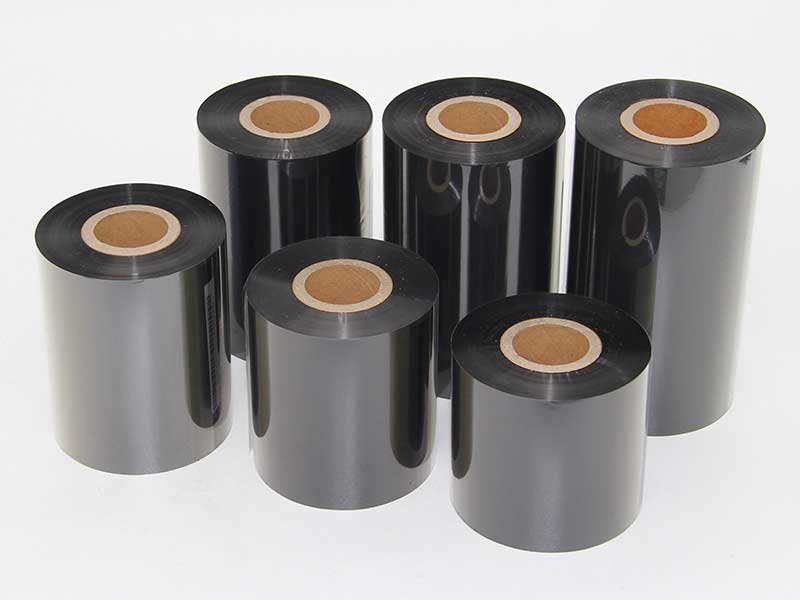
The value of the automatic correction function lies in incorporating this runaway variable into a precise closed loop, shifting slitting operations from "post-event selection" to "real-time self-heali
19. October, 2026


 English
 Deutsch
 Français
 Español
 Português
 日本語
日本語 русский
 한국어
한국어 عربي
عربي ภาษาไทย
 Tiếng Việt
 Italiano