
In view of the breakage, burr and other problems of the slitting machine in the process of hot stamping foil processing, the following is the troubleshooting and solution of the system:
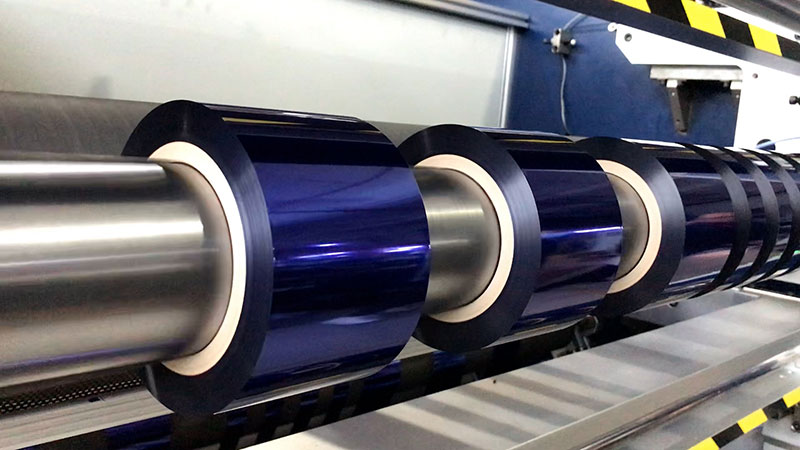
First, the problem of bronzing foil breakage
Possible causes and solutions:
1. Improper tension control
◦ Cause: Excessive tension leads to excessive stretching of the foil, and too little tension makes it easy to loosen.
◦ Resolution:
▪ Check whether the tension control system of the slitting machine (such as magnetic powder brake, tension sensor) is normal.
▪ Adjust the tension parameters according to the thickness of the foil, usually the recommended tension of hot stamping foil is 1.5~3N/mm² (refer to the material supplier data).
▪ Ensure that the unwinding and rewinding tensions match, and the transition tension gradient should not be too large.
2. Worn or misaligned tools
◦ Cause: Blunt knife or tool holder offset can lead to uneven cutting and local stress concentration.
◦ Resolution:
▪ Replace sharp round or flat knives and check the shaft parallelism.
▪ Adjust the tool clearance (usually 10%~15% of the foil thickness).
3. Foil quality problems
◦ Cause: Insufficient toughness of the substrate or poor adhesion of the coating.
◦ Resolution:
▪ Replace the high-quality foil and check the batch for moisture or expiration.
▪ Test the breaking point at different speeds to see if it is a material limit issue.
4. The running speed is too high
◦ Reason: Tension fluctuations increase during high-speed slitting.
◦ Solution: Gradually reduce the slitting speed (e.g. from 200m/min to 150m/min) and observe whether it improves.
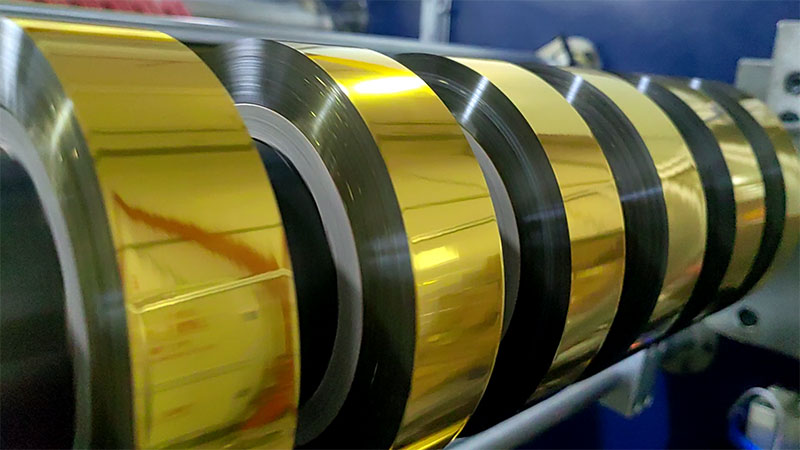
Second, the problem of burrs
Possible causes and solutions:
1. Insufficient sharpness of the knife
◦ Phenomenon: The cut is jagged or brushed.
◦ Resolution:
▪ Replace the tool immediately and choose a coated tool (e.g. diamond coating) to increase the life.
▪ Check the knife edge angle (usually 20°~30° is appropriate).
2. Slitting angle deviation
◦ Cause: The tool is not perpendicular to the direction of travel of the material.
◦ Resolution:
▪ Use the dial gauge to calibrate the tool holder to ensure that the verticality error < 0.02mm.
▪ For thin foils (<0.05mm), it is recommended to add guide rollers to stabilize the material path.
3. Auxiliary system failure
◦ Cause: Insufficient electrostatic adsorption or dust removal causes the foil to shake.
◦ Resolution:
▪ Install an ionizing air bar to eliminate static electricity.
▪ Clean the guide and pressure rollers to ensure that there is no dust or glue stains.
4. Temperature effects
◦ Cause: The foil softens due to high ambient temperature.
◦ Solution: Control the temperature of the workshop at 20~25°C and the humidity at 50%~60%.
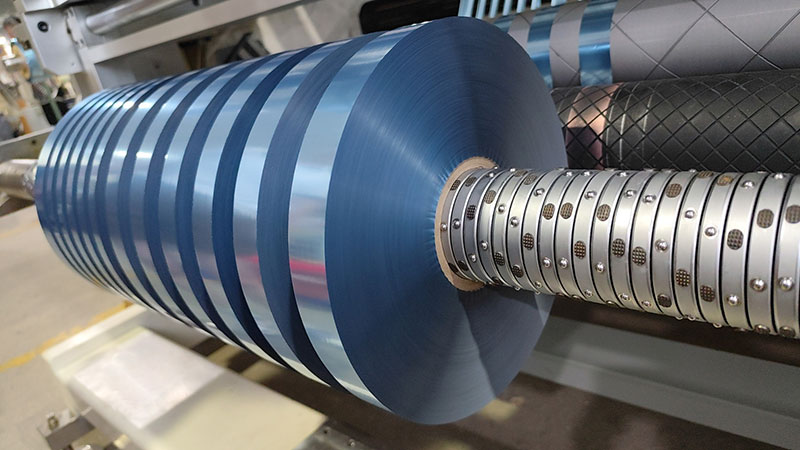
Third, other frequently asked questions
1. Curling/warping
◦ Check whether the winding pressure is uniform, use taper tension control (reduce the starting tension by 10%~15%).
2. Horizontal stripes
◦ Check whether the guide rollers are eccentric or bearing wear, and make dynamic balance correction if necessary.
Fourth, maintenance suggestions
1. Daily inspection: tool status, tension parameters, guide roller cleaning.
2. Monthly maintenance: lubricate the knife shaft bearing, calibrate the sensor.
3. Record analysis: take photos and archive the fault phenomenon and establish a corresponding database of materials, parameters and quality.
Through the above steps, more than 90% of the hot stamping foil slitting problems can be systematically solved. If the problem persists, it is recommended to contact the equipment manufacturer for in-depth debugging of the servo system or PLC program.
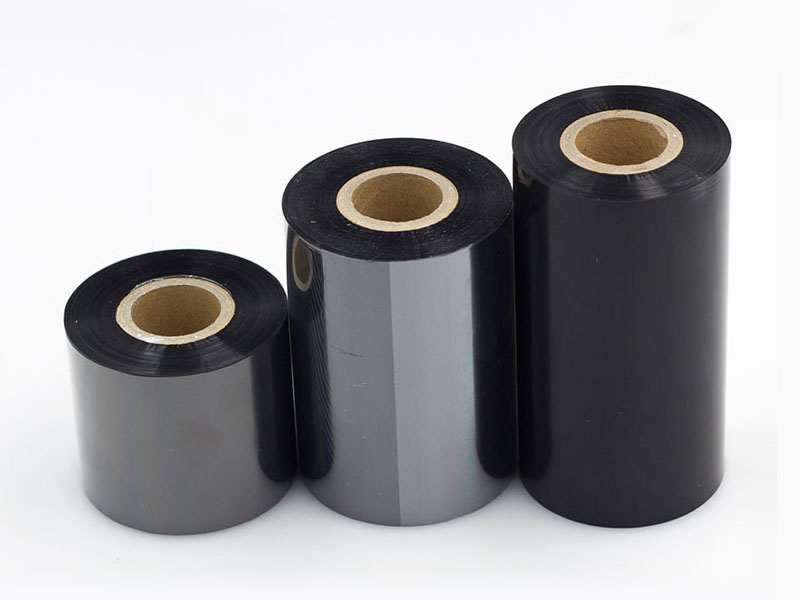
The coating formula, base film characteristics, and physical specifications of the ribbon directly affect the suitability and yield of the slitting machine.
09. October, 2026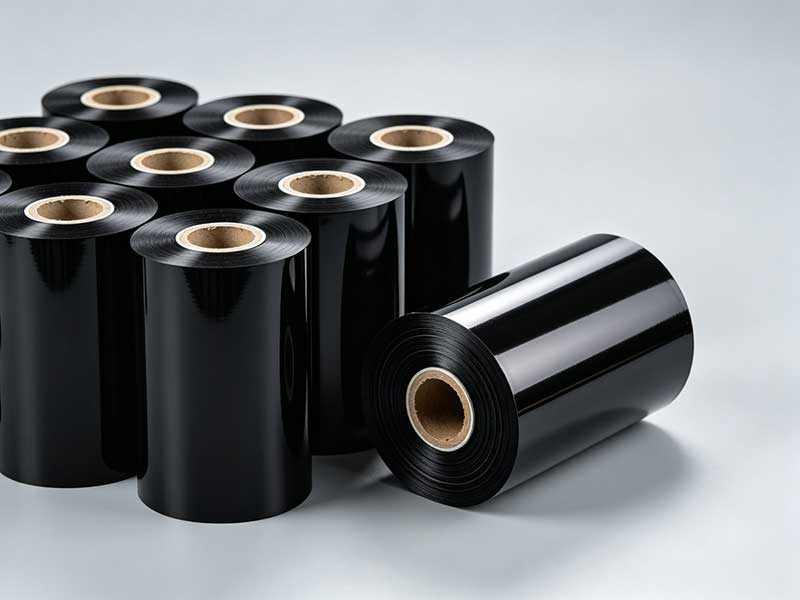
The core function of a ribbon slitting machine revolves around three dimensions: "precise cutting, stable rolling, and fast running."
09. October, 2026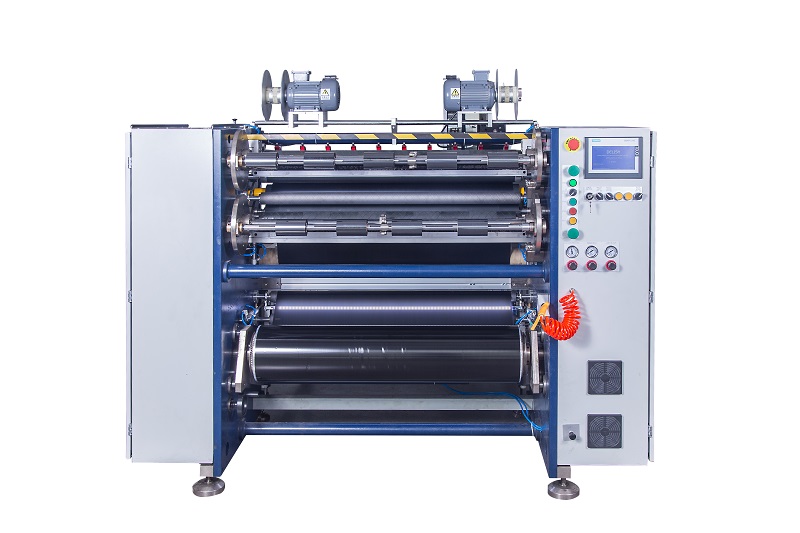
This article starts from actual usage scenarios to outline a clear selection approach.
09. October, 2026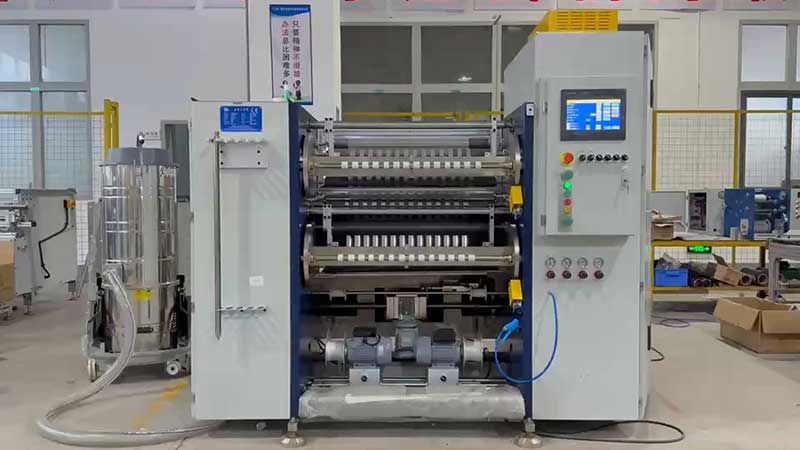
Whether you operate a slitting line or source slit rolls from a supplier, understanding these failure modes helps you protect quality and reduce downtime.
08. October, 2026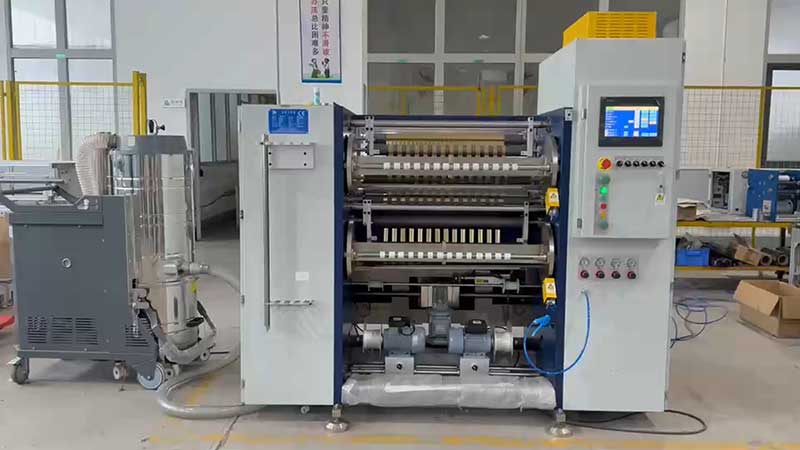
This guide breaks down the specifications that actually matter, organized by the parameters that directly affect your yield, efficiency, and bottom line.
08. October, 2026


 English
 Deutsch
 Français
 Español
 Português
 日本語
日本語 русский
 한국어
한국어 عربي
عربي ภาษาไทย
 Tiếng Việt
 Italiano