
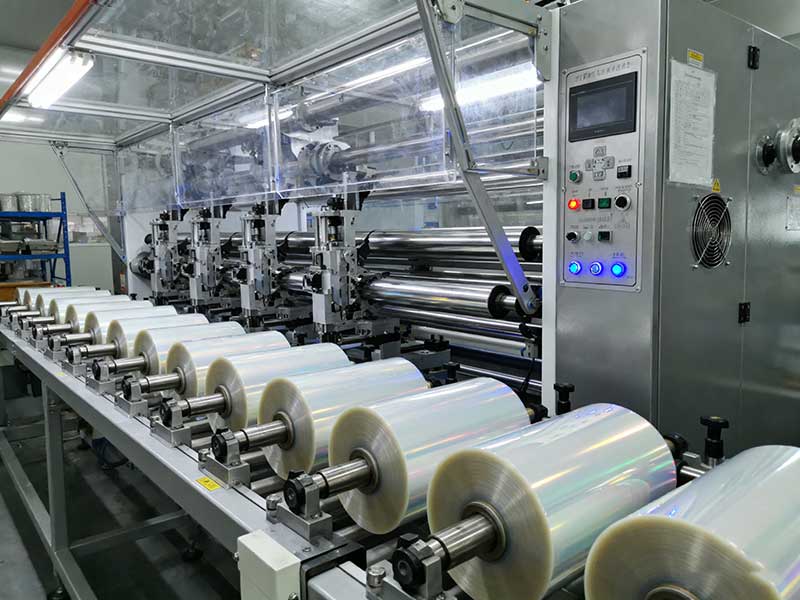
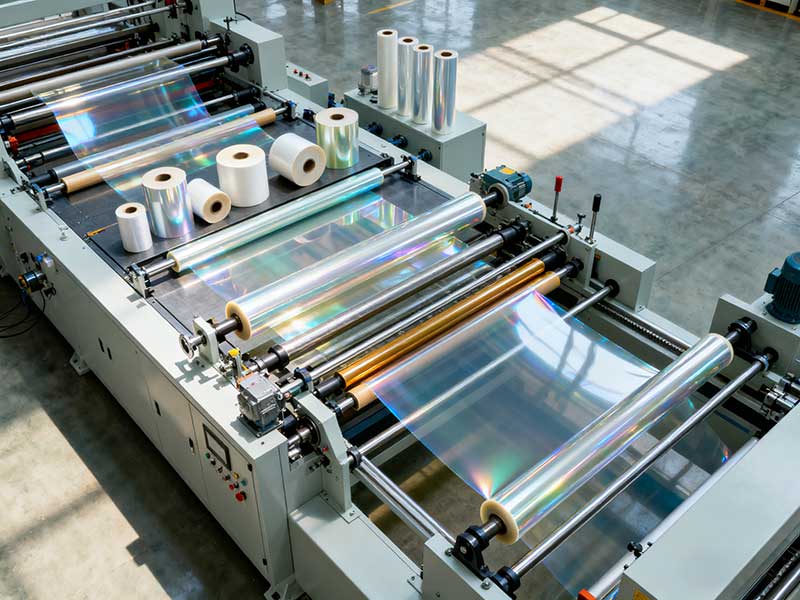
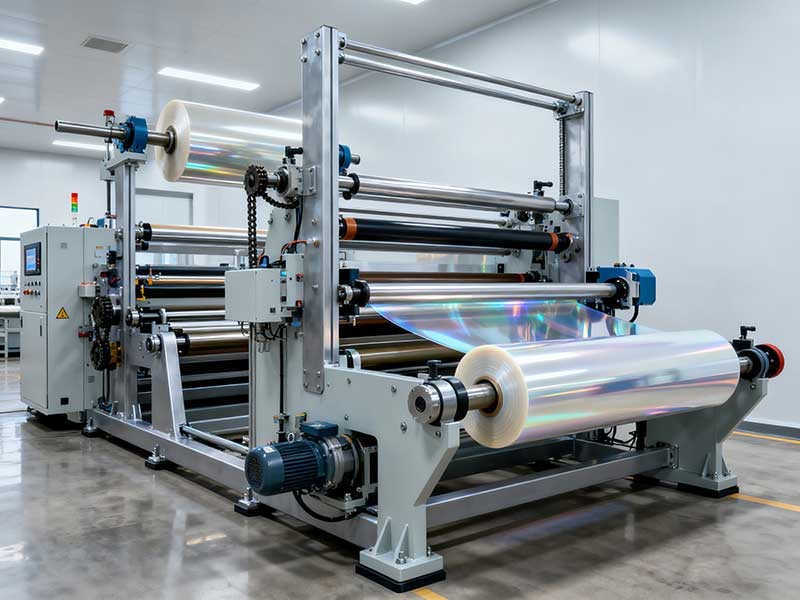
In the modern packaging, printing, and plastics processing industries, film slitting machines are the core equipment for cutting wide coils into narrow rolls of the required width. Proper operation and maintenance not only ensure the quality of slitting, but also extend the life of the equipment and ensure safe production. This article will comprehensively analyze the operation process of the film slitting machine, from start-up preparation to daily maintenance, providing you with a complete operation guide.
1. Preparation before start-up: pay equal attention to safety and inspection
1. Environmental safety inspection
• Ensure that the work area is tidy and free from oil, water stains, and other debris
• Check that there is sufficient operating space and safe passage around the perimeter of the equipment
• Confirm that safety facilities such as fire extinguishers are in place and in active condition
2. Device status check
• Electrical System: Check whether the power connection is secure and the voltage is stable
• Pneumatic system: confirm that the air pressure meets the equipment requirements (usually 0.5-0.7MPa)
• Mechanical components: Check whether the blades are sharp and intact, and whether the surface of each roller is clean and undamaged
• Safety devices: Confirm that safety facilities such as emergency stop buttons, safety light curtains, and protective covers are intact and effective
3. Material and tool preparation
• Prepare appropriate raw material rolls and paper cores according to the production schedule
• Prepare the necessary tools: wrench, Allen, cleaning cloth, gloves, etc
• Confirm that the winding shaft matches the raw material coil and prepare the corresponding specifications
2. Start-up operation process: step-by-step and precise execution
1. System boot
• Turn on the main power switch and wait for the control system to complete the self-test
• Start the hydraulic or pneumatic system and observe whether the pressure is stable
• Open the operation interface and enter the operator identity information
2. Parameter settings
• Input parameters such as slitting width, length, tension, etc. according to the production task order
• Set the tension curve for unwinding and rewinding (generally decreasing unwinding tension, increasing rewinding tension)
• Selection of appropriate slitting methods (e.g. razor, shear, or press) based on film characteristics
3. Film piercing and knife pairing
• Guide the film through each guide roller according to the film penetration path marked by the equipment
• Adjust the cutter position to ensure precise slitting widths
• Use a tool setter or manual fine-tuning to ensure all cutters are on the same level line
4. Trial run
• Perform a test cut at low speed (usually 10-20% of normal speed).
• Check the quality of slitting: whether the edges are flat, whether there are burrs or drawings
• Check the neatness of the winding and adjust the correction system
5. Formal production
• Gradually increase to normal operating speed
• Continuously monitor the operating status of equipment and product quality
• Documenting key parameters and production data
3. Monitoring and adjustment during operation
1. Key points of quality control
• Slitting Accuracy: Regularly measure the slitting width to ensure tolerance requirements are met
• Edge Quality: Observe whether the slitting edges are smooth and blemish-free
• Rewinding quality: Check the tightness and neatness of the winding to avoid warping and wrinkling
2. Adjust the operating parameters
• Tension control: adjust the tension according to the characteristics of the film to avoid tensile deformation or wrinkles caused by over-tightness
• Speed control: Optimize production efficiency while ensuring quality
• Guiding Systems: Ensure that the material is always running along the correct path
3. Handling of abnormal situations
• Immediately slow down or pause equipment when product quality issues are identified
• When the equipment is abnormally alarmed, it shall be handled according to the regulations, and forced operation is strictly prohibited
• In case of sudden safety issues, press the emergency stop button immediately
4. Shutdown operation process
1. Normal shutdown steps
• Gradually reduce the operating speed to the lowest gear
• Cut the film to complete the slitting of the current coil
• Stop the main motor and turn off the hydraulic/pneumatic system
• Clean residue from blades and rollers
• Turn off the control power supply and finally cut off the main power supply
2. Emergency shutdown
• Press the red E-Stop button immediately
• Pinpoint and troubleshoot the cause
• Resume production according to regulations and contact maintenance personnel if necessary
5. Daily maintenance: the key to extending the life of the equipment
1. Daily maintenance
• Clean equipment surfaces and work areas
• Inspect and clean all guide rollers and blades
• Check the pneumatic system filter to drain stagnant water
• Check each lubrication point and add lubricating oil if necessary
2. Weekly maintenance
• Thoroughly clean the inside of the equipment of dust and film debris
• Check the tension of the drive chain or timing belt
• Check for loose electrical connections
• Calibration of tension sensors and guiding systems
3. Monthly maintenance
• Inspect pneumatic components and hydraulic systems
• Check the wear of each bearing
• Clean or replace the air filter
• Comprehensive inspection of the effectiveness of safety devices
4. Annual maintenance
• Hydraulic fluid and filter replacement
• Check for wear on major transmission components
• Calibrate all sensors and measuring devices
• Comprehensive performance testing by professionals
6. Common problems and solutions
| Problem phenomenon | Possible causes | Workaround |
| There are burrs on the slitting edges | Blade wear or passivation | Replace or sharpen the blades |
| The winding is not neat | Improper tension setting or correction failure | Adjust tension parameters and check the correction system |
| The film is stretched and deformed | Too much tension or too fast | Reduce tension and adjust speed |
| The slitting width is unstable | Loose tool holder or transmission problems | Tighten the tool holder and check the transmission system |
7. Special tips for safe operation
1. Operators must undergo professional training to understand equipment structure, performance, and operating procedures
2. It is strictly forbidden to repair, clean or adjust the equipment while it is in operation
3. Wear appropriate labor protection equipment and avoid loose clothing getting caught in the equipment
4. When the equipment is repaired, the power supply must be cut off and a warning sign must be hung
5. Familiarize yourself with the location and use of all safety devices
The fine operation and standardized maintenance of the film slitting machine are the basis for ensuring product quality and equipment life. With the development of intelligent control technology, modern slitting machines are becoming more and more automated, but the requirements for the basic skills of the operator have not decreased. Only by deeply understanding the principles of equipment, strictly implementing operating procedures, and adhering to preventive maintenance can we truly maximize the effectiveness of equipment and create sustainable value for enterprises.
Operators should develop the habit of recording the operating status of the equipment, which is not only the basis for fault diagnosis, but also a valuable resource for optimizing process parameters. In the highly precision-demanding field of film processing, every standardized operation is a commitment to product quality, and every meticulous maintenance is an extension of the life of the equipment.
This article outlines a clear selection approach from four dimensions: material adaptation, core technical parameters, efficiency and cost, and supplier selection.
09. September, 2026Balancing speed and precision in film slitting machines is essentially a test of "control capability."
02. September, 2026This article will delve into the current application status, core technologies, and development trends of this equipment in the new energy sector.
28. August, 2026the film slitting machine is the core equipment for slicing wide, large rolls into narrow rolls of specific specifications.
26. August, 2026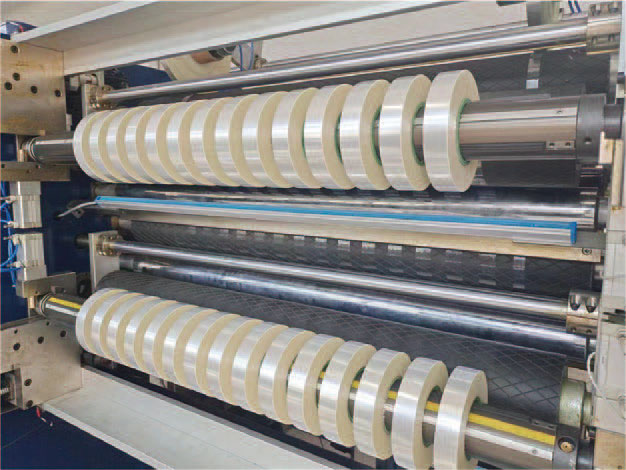
Tension control technology for thin film slitting machines involves interdisciplinary integration of control theory, mechanical design, and material mechanics.
26. August, 2026


 English
 Deutsch
 Français
 Español
 Português
 日本語
日本語 русский
 한국어
한국어 عربي
عربي ภาษาไทย
 Tiếng Việt
 Italiano