
In the grand narrative of industrial manufacturing, often the most inconspicuous links determine the dignity of the final quality. The advantages and disadvantages of ribbon, which silently undertakes the mission of information transmission in thermal transfer printing, are not only related to the clarity of the printing effect, but also affect the accuracy of logistics traceability, the safety of medical samples, and the specification of product identification. Behind each roll of high-quality ribbon, there stands a silent and precise "engraver" - the ribbon slitting machine.
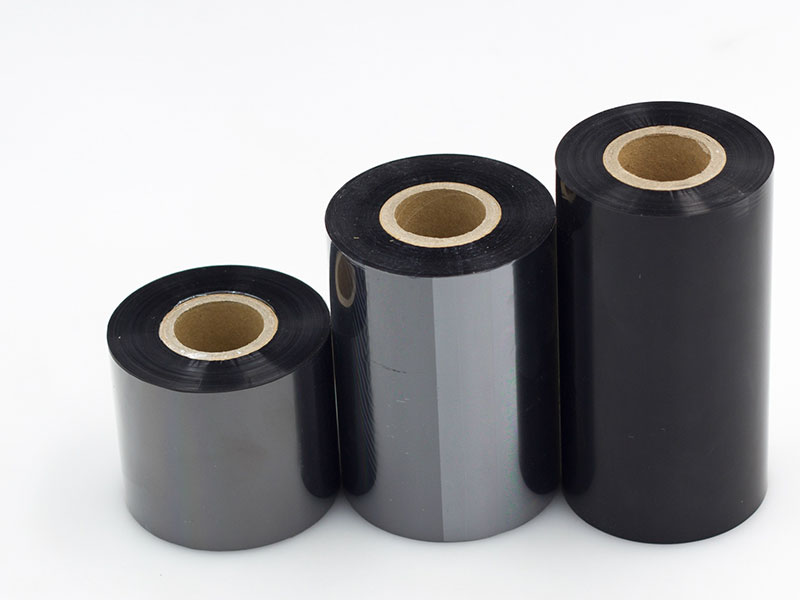
"A good ribbon comes from a good ribbon slitting machine", which is not only a consensus in the industry, but also an affectionate look back on the origin of manufacturing.
Slitting seems to be a simple process of dividing wide master rolls into narrow finished products, but in fact it is an ultimate study of precision, tension and flatness. If the ribbon master coil is compared to an uncarved piece of jade, then the slitting machine is the carving knife that determines its ultimate value. A good slitting machine knows how to treat every micron thick coating gently, how to maintain the balance between power and beauty at high speeds.
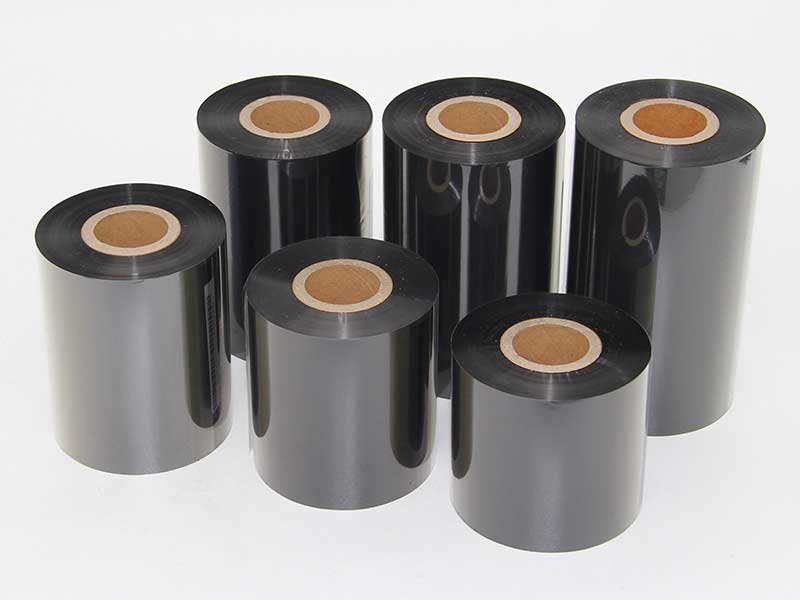
Its goodness is first reflected in the paranoid pursuit of the word "precision". The width error of ribbon slitting often needs to be controlled between millimeters. An excellent slitting machine, the precision of the tool shaft, the sharpness of the blade, and the stability of the guide system, together constitute a set of almost strict calibration system. It is like a tailor with a torch-like gaze, every time the knife is dropped, and the edges of every inch of ribbon cut are neat, without the slightest burr or fold. Because of the slight deviation, the ribbon may deviate and break on high-speed printers, making the entire label a waste product.
Its goodness is also reflected in the delicate control of "tension". Ribbons are composed of multiple layers of structures such as base film and coating, and the physical properties of each layer are different. During the slitting process, the tension is too large, like an invisible hand pulling the material to thin and crack, destroying the coating structure; If the tension is too small, the material will loosen and wander, and the winding will be uneven. A good slitting machine has a keen "sense of touch", and its tension control system can provide just the right hug for the material at every moment of starting, running, and stopping. The ribbon cut and rewound by its hands has a roll surface as flat as a mirror and an end surface as neat as a cut, paving the way for subsequent smooth printing.

Looking deeper, a good ribbon slitting machine carries the responsibility for production efficiency and stability. In the rhythm of industrial production, downtime is a loss. It must have the reliability of continuous operations for long periods of time, and the automated control system can monitor and adjust parameters in real time to minimize human intervention. It is not only a machine, but also an extension of the craftsmanship, injecting consistent quality into every meter of the carbon belt produced.
Therefore, when we pick up a roll of high-quality ribbon and watch it quietly convey in the printer, watching it give the label a clear and long-lasting character, we should think that behind this clarity, there is a good slitting machine guarding the bottom line of quality at the source. It is the starting point of manufacturing logic and the cornerstone of quality commitment. Choosing a good ribbon slitting machine is choosing to be responsible for every meter of ribbon, every print, and every terminal of the end user.
Good ribbon comes from a good ribbon slitting machine. This is a tribute to precision, a traceback to the origin, and the best interpretation of the simple belief in consistency and pursuit of the ultimate in industrial manufacturing.
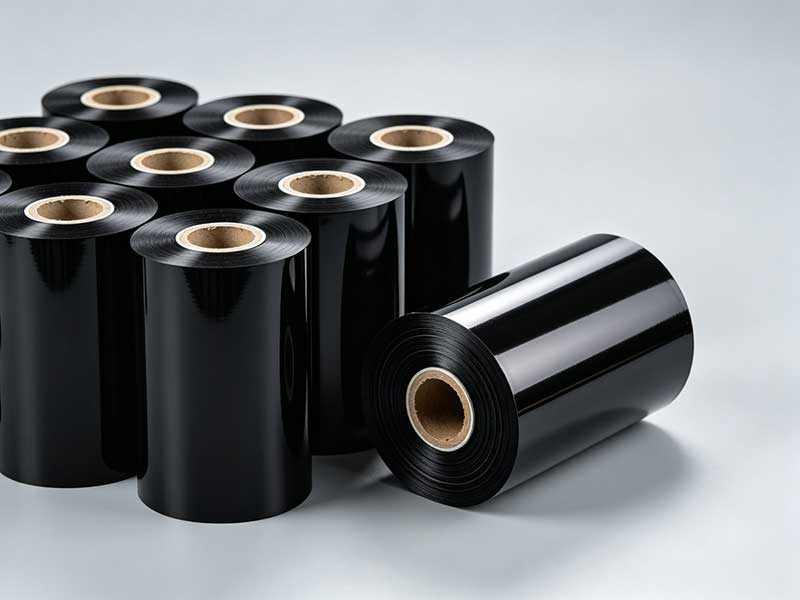
The widespread adoption of fully automatic ribbon slitting machines is changing this situation. Its core value can be summed up in six words: efficient, stable, and labor-saving.
22. October, 2026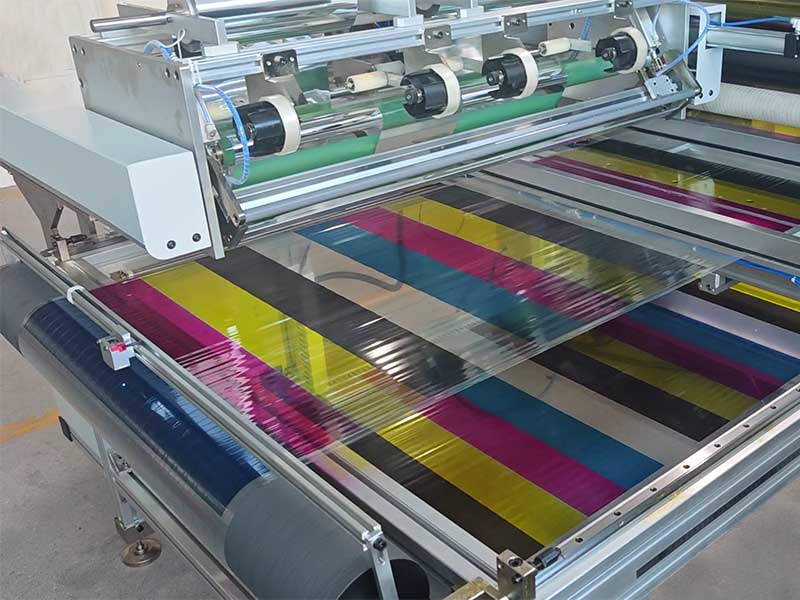
The color ribbon slitting machine is mainly used for wide roll slitting and rewinding of materials such as card printer color ribbons and thermal transfer ribbons.
21. October, 2026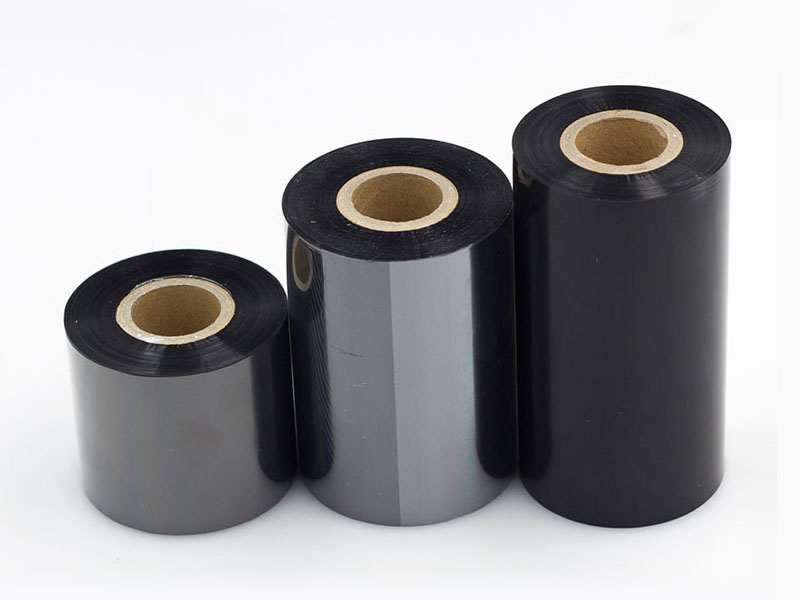
This article will break down the technical core of this function from four dimensions: signal detection, control logic, shutdown strategy, and precision calibration.
19. October, 2026The value of the automatic correction function lies in incorporating this runaway variable into a precise closed loop, shifting slitting operations from "post-event selection" to "real-time self-heali
19. October, 2026This paper proposes a practical efficiency improvement plan from three dimensions: downtime management, switching optimization, and tension upgrade.
19. October, 2026


 English
 Deutsch
 Français
 Español
 Português
 日本語
日本語 русский
 한국어
한국어 عربي
عربي ภาษาไทย
 Tiếng Việt
 Italiano