
In the printing and packaging industry, the hot stamping process is favored for its ability to give products a high-end, exquisite metallic texture. However, in the production or slitting of hot stamping foil (electrochemical aluminum), a headache has long plagued many companies - dust pollution generated during the operation of slitting machines. These fine dusts not only affect the shop floor environment, but can also pose a serious threat to product quality and equipment life.
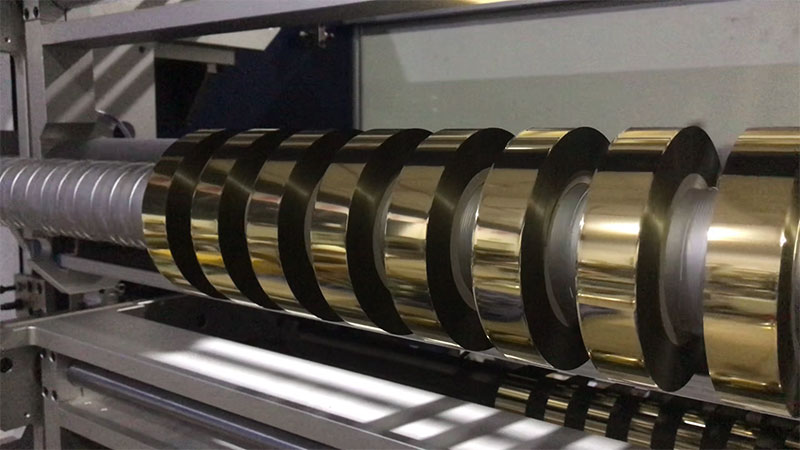
1. Where does dust come from? Why can't it be ignored?
Hot stamping foil is usually composed of a base film layer, a release layer, a color layer and an aluminized layer (or other metal layer) composed of an adhesive layer. Under the cutting of the high-speed blade of the slitting machine, the edge material is subjected to severe friction and shear forces. Dust mainly comes from several aspects:
1. Coating chips: Coating materials such as release layers and color layers have brittle textures, and the edges are prone to microscopic chips when cutting.
2. Metal particles: When the aluminum plating layer or other metallic luster layer is cut, it produces extremely fine metal powder.
3. Base film burr: Base films such as PET can also produce fibrous or granular dust when cut imperfectly.
These dusts may seem small, but the harm should not be underestimated:
• Contaminated products: Once the dust falls and adheres to the surface of the hot stamping foil, it will lead to quality defects such as "sand holes", pockmarks, and poor hot stamping during subsequent hot stamping.
• Affecting equipment: Dust invades the bearings, guide rails, and electrical components of the slitting machine, exacerbating wear, leading to higher failure rates and shortening equipment life.
• Health hazards: Long-term inhalation of dust containing resin and metal particles can cause potential harm to the respiratory system of operators.
• Safety hazards: When dust reaches a certain concentration, it encounters static electricity or sparks, and there is a risk of explosion (especially dust containing metal components).
• Environmental Pressure: Dust spillage can pollute the surrounding environment and may face inspections and penalties from environmental protection authorities.
2. Limitations of traditional dust removal and waste disposal methods
Many companies have tried simple methods, but the results are often unsatisfactory:
• Natural Diffusion/Exhaust Fans: Treat the symptoms but not the root cause, but only transfer indoor pollution to the outdoors, and do not meet environmental protection requirements.
• Ordinary vacuum cleaners: can only clean the floor and equipment surfaces, and cannot effectively collect dust near the knife edge, the source of dust generation, and a large amount of fine dust will still permeate the air.
• Stationary single-point suction: The suction range is limited, and it cannot be fully covered for multi-station, long-stroke equipment such as slitting machines.
Pain points of traditional methods: low collection efficiency, inability to handle ultrafine dust, inability to follow the distance between the suction port and the knife edge in real time, and lack of explosion-proof design for metal dust.
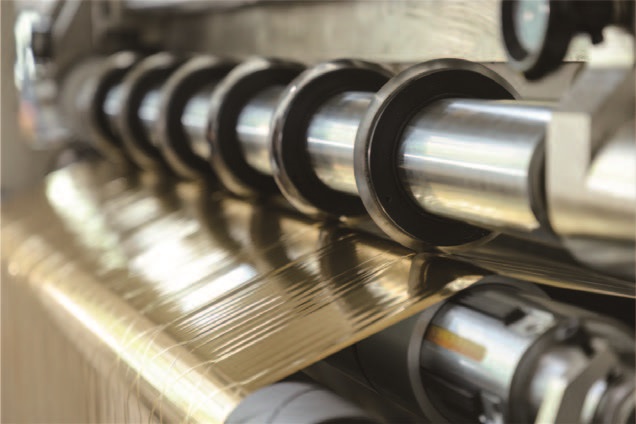
3. Efficient dust removal and waste renovation plan
To completely solve the dust problem of the hot stamping foil slitting machine, it is necessary to carry out systematic transformation from the four dimensions of "source suppression, efficient collection, graded filtration, and safe waste discharge".
1. Source Capture: Follow-up vacuuming device
This is the heart of the transformation. Near each tool holder of the slitting machine, a miniature vacuum hood that moves with the tool holder is installed. The hood fits snugly to the cutting point and features a slit or ring air curtain design that effectively encloses the dust splash area without hindering the operator's observation and tool changes. It is connected to the main dust collection pipe through a hose to ensure that the dust is strongly sucked in as soon as it comes out of the knife edge, greatly improving the capture rate (up to more than 95%).
2. Efficient filtration: explosion-proof pulse blowback dust collector
Ordinary baghouses are easy to clog and are not suitable for situations with metal dust. Recommended:
• Flame Retardant/Anti-Static Filter Cartridge: The surface of the filter media is covered with PTFE membrane, with an accuracy of 0.3-0.5 microns, and the filtration efficiency of ultra-fine metal dust and resin dust is as high as 99.9%. Anti-static characteristics eliminate potential safety hazards.
• Pulse blowback dust cleaning: Instantly spray the surface of the filter cartridge through compressed air to shake off the accumulated dust into the ash collection hopper to ensure long-term smoothness of the filter cartridge and stable system resistance.
• Explosion-proof design: equipped with explosion vents, explosion-proof fans, and grounding systems to eliminate the risk of explosion from the source.
3. Convenient waste discharge: closed ash collection and transportation
• Dust collector: A large-capacity drawer or bucket dust collector is set up at the lower part of the dust collector to facilitate cleaning. There should be a sealing and air locking device (such as a star-shaped discharge valve) between the dust collector and the dust collector body to prevent secondary dust.
• Automatic waste discharge: For plants with high production volumes, a pneumatic conveying system can be added to automatically transport the collected dust to the central waste bin, reducing manual intervention and dust exposure.
4. Intelligent Control and Reuse (Optional)
• Differential pressure control: Automatically start pulse blowback according to the pressure difference between the front and back of the filter cartridge, which is energy-saving and efficient.
• Concentration alarm: real-time monitoring of dust concentration at the discharge port, automatic alarm for exceeding the standard.
• Waste reuse: For hot stamping foil dust with a single composition and high purity (such as pure aluminum plating), consider entrusting it to a professional recycling company for metal recycling to turn waste into treasure.
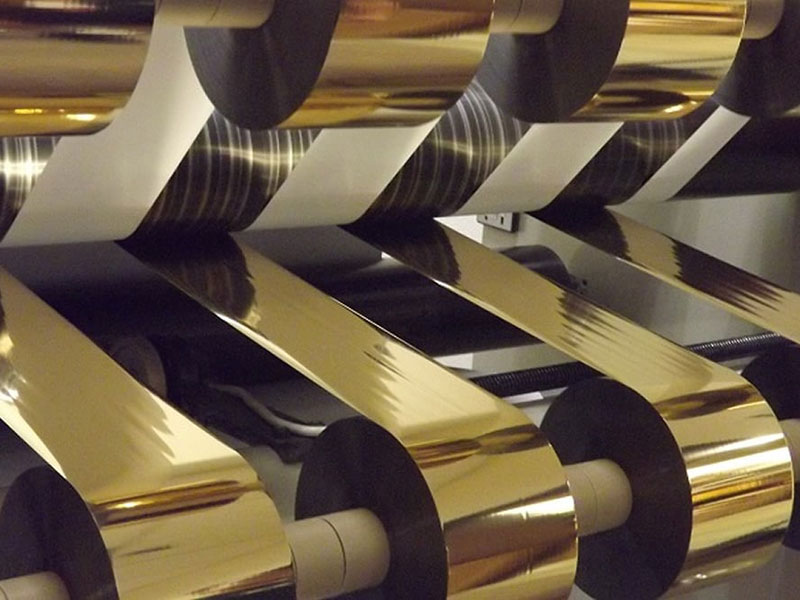
4. Transformation effectiveness and return on investment
After implementing the above-mentioned efficient dust removal and waste removal transformation, enterprises will gain significant benefits:
| aspects | Before the renovation | After the renovation |
| Workshop environment | Dusty and low visibility | The air is clean, and there is almost no visible dust to the naked eye |
| Product defect rate | The rate of hot stamping defects caused by dust is 3-5% | Reduced to less than 0.5% |
| Equipment failure | 2-3 downtime due to dust per month | There are no related failures within half a year |
| Worker health | Workers have complaints of respiratory discomfort | No related health complaints, satisfaction improved |
| Environmental compliance | risk fines or production stoppages | Easily pass EIA and safety supervision inspections |
The payback cycle is usually within 6-18 months, mainly from the reduction of defective product losses, the reduction of equipment maintenance costs, the improvement of production efficiency, and the avoidance of environmental penalties.
5. Conclusion
The dust problem of the hot stamping foil slitting machine is not unsolvable, the key is to change the way of thinking, from extensive "post-cleaning cleaning" to scientific "source efficient capture + graded filtration". A set of reasonably designed and professionally equipped dust removal and waste removal system can not only give you a clean and safe workshop, but also ensure product quality, extend the life of equipment and enhance the corporate image.
For packaging and printing companies that are suffering from dust problems, this is not only a necessary investment in environmental protection and safety, but also a wise investment to reduce costs, increase efficiency and enhance competitiveness. Take action now and give your slitting machine a complete "breath makeover"!
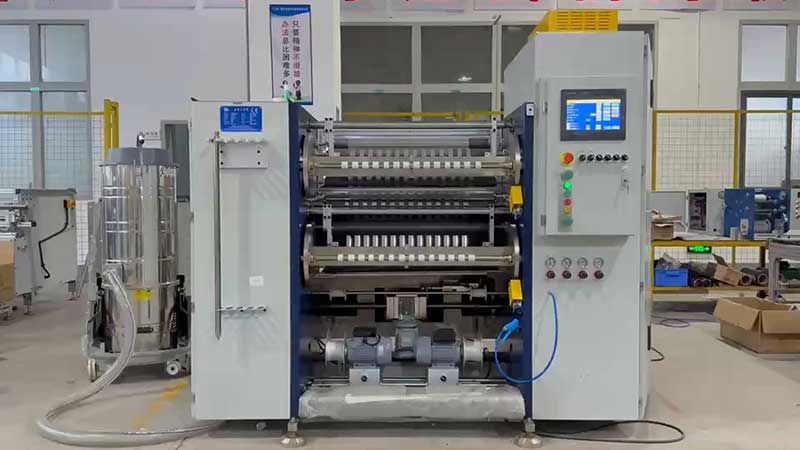
Whether you operate a slitting line or source slit rolls from a supplier, understanding these failure modes helps you protect quality and reduce downtime.
08. October, 2026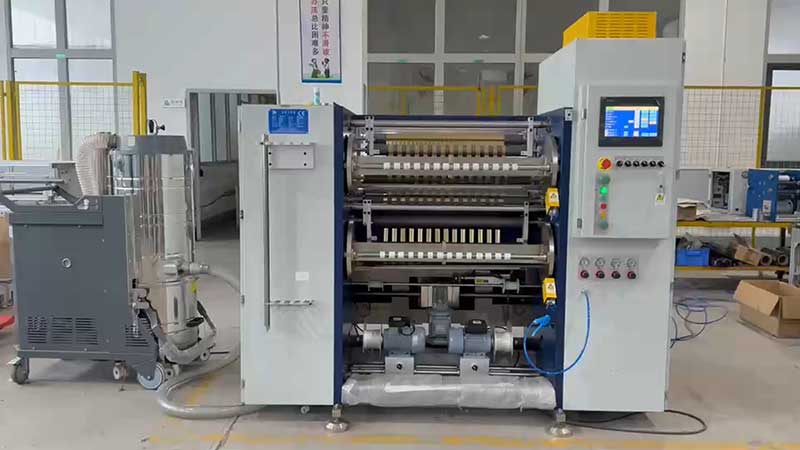
This guide breaks down the specifications that actually matter, organized by the parameters that directly affect your yield, efficiency, and bottom line.
08. October, 2026The tension control in the slitting stage directly determines the yield rate of subsequent hot stamping processes.
28. September, 2026
The key to selection is to grasp three parameters that truly determine slitting quality: slitting accuracy, tension control, and tool system.
28. September, 2026
But what truly determines whether a slitting machine is "in sync" is not the absolute value of a single parameter, but the matching logic between width and speed.
28. September, 2026


 English
 Deutsch
 Français
 Español
 Português
 日本語
日本語 русский
 한국어
한국어 عربي
عربي ภาษาไทย
 Tiếng Việt
 Italiano