
In the production process of thermal transfer ribbons, slitting is a key process. It cuts the wide large coil master coil into the narrow finished product required by the customer. However, winding and slipping is a frequent and thorny problem in the slitting process. Slippage will not only lead to uneven winding and uneven end faces, but also cause the ribbon to wrinkle, rub, and even cause ribbon fracture due to uncontrolled tension, which will seriously affect production efficiency and product yield.
This article will provide an in-depth analysis of the root causes of ribbon slitting machine rewinding slippage and provide a systematic and actionable solution.
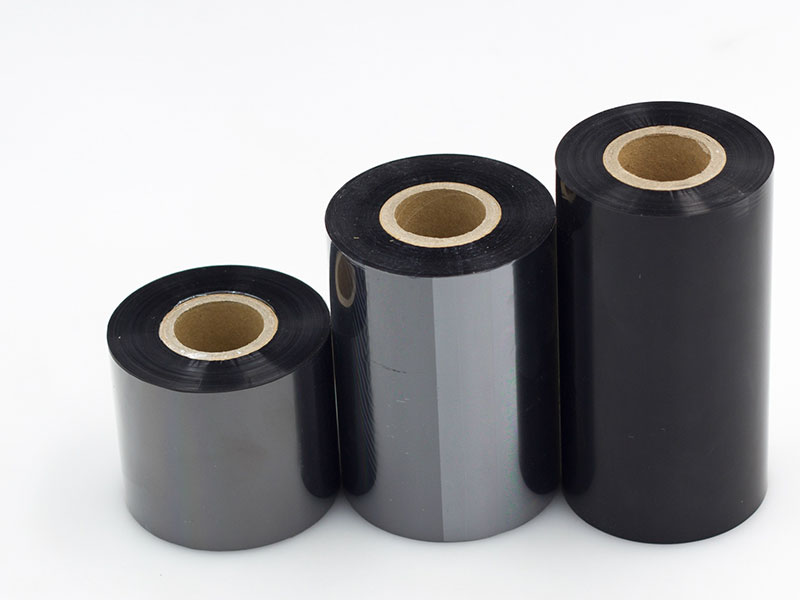
1. What is winding slippage? What are its harms?
Rewinding slippage refers to the phenomenon that during the slitting and winding process, the ribbon core and the rewinding shaft (or rewinding rubber ring) or between the ribbon layers occur relative sliding, resulting in the inability to wind normally according to the set tension.
The main hazards include:
1. Uneven end face: Slippage leads to uneven tightness of the winding, and the end face of the finished product is "satellite-shaped" or "jagged", affecting the aesthetics and subsequent use.
2. Ribbon wrinkling: The force generated by sliding will pull on the ribbon, causing it to shift laterally and form dead folds, resulting in the scrapping of the entire ribbon.
3. Dirt and scratches: The friction between layers caused by slippage may scrape off the ribbon back coating or ink layer, contaminate the print head or produce white strips.
4. Insufficient winding length: Slippage will make the actual winding length less than the set length, resulting in short-meter customer complaints.
5. Core pipe damage: Severe slippage can wear or "gnaw on" the plastic core pipe, leading to deformation and scrapping.
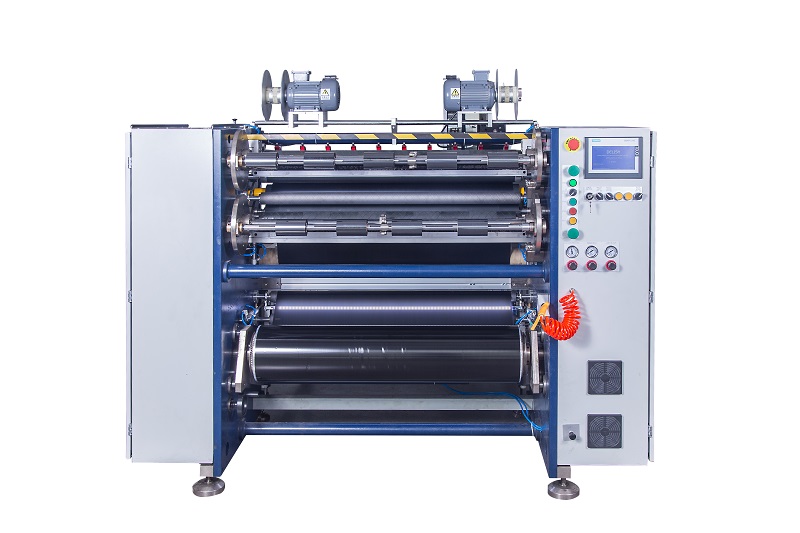
2. Analysis of common causes of winding slippage
To solve the problem, we must trace back to the source. The reasons for winding slippage usually involve three aspects: machinery, process and material.
1. Mechanical Factors:
• Insufficient expansion and tightening force of the winding shaft: Most slitting machines use mechanical or inflatable shafts to fix the core tube. If the expansion block is worn, the air pressure is insufficient, or the expansion shaft is leaking, it cannot provide sufficient friction, and the core tube will slip on the shaft.
• Roller (contact roller) failure: The roller is used to press the ribbon against the rewinding core, expelling air between the layers and providing initial friction. Slippage can occur if the roller is worn, the surface is too hard, the pressure is uneven, or the lift/fall timing is wrong.
• Drivetrain Problems: Failure of the rewinding motor, reducer, belt, or coupling, resulting in fluctuating or discontinuous output torque, can also manifest as intermittent slippage.
• Poor rotation of the guide roller: The guide roller in the slitting path does not rotate smoothly due to bearing jamming, which will cause abnormal fluctuations in the tension of the ribbon and induce winding and slippage.
2. Process Factors:
• Improper rewinding tension: This is the most common cause. The tension is too small to provide sufficient winding and compression force, and the friction between layers is insufficient; if the tension is too large, it may stretch the ribbon and compress the core tube to deform, which will increase the risk of slippage.
• Unreasonable taper tension curve: A good winding process uses taper tension – the tension decreases as the coil diameter increases. If the taper is set too small (the tension drops too slowly), the outer ring will be too tight, creating a huge squeezing force on the inner ring, and when this force exceeds the friction between the core and the shaft, the core will begin to slip.
• Excessive acceleration and deceleration: When the slitting machine starts, stops or changes speed, the inertia force is huge. If the acceleration and deceleration time is set too short, the instantaneous torque will greatly exceed the static friction, resulting in sudden slippage.
• Excessive winding length: The number of reeling meters is too long, the coil diameter is too large, and its own weight and moment of inertia surge. If the equipment capacity is insufficient or the tension compensation is not in place, it is very easy to slip in the later stage.
3. Material Factors:
• Large inner diameter tolerance of the core tube: The standard inner diameter of plastic core tubes is usually 25.4mm or 1 inch (about 25.4mm). If the inner diameter of the core tube is too large, or the expansion shaft is small after wear, the gap is too large and the expansion force is insufficient.
• Ribbon surface properties: Some high-smoothness ribbon backcoatings (such as top wax-based or resin-based) have a very low coefficient of friction and are prone to slipping between layers.
• Ambient temperature and humidity: too low ambient temperature will make the ribbon hard and the back coating astringent; too high humidity may cause the core tube to absorb moisture and expand or the ribbon to stick. Extreme environments affect friction characteristics.
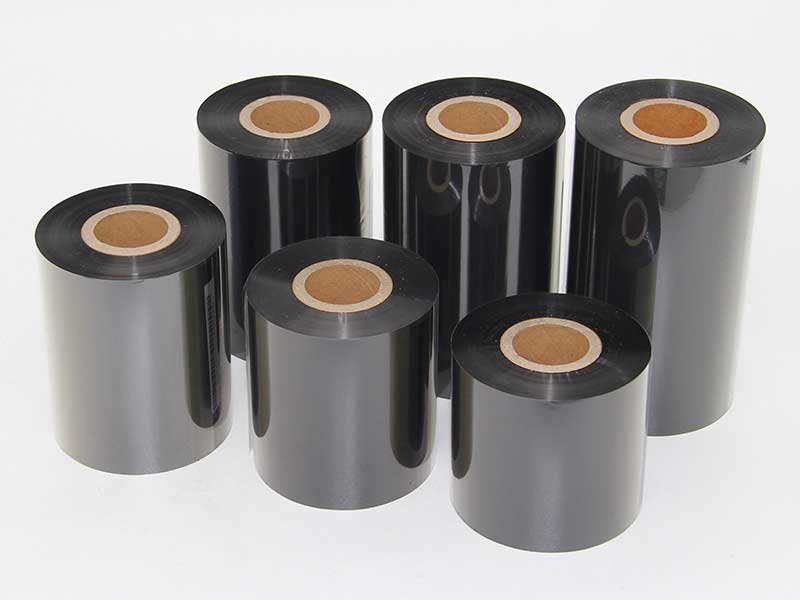
3. Systematic solutions and operation guidelines
For the above reasons, you can follow the following steps to troubleshoot and solve them one by one.
Step 1: Mechanical inspection and maintenance (hardware basics)
• Check the inflation shaft: confirm that the air pressure is stable at the required value of the equipment (usually 0.5-0.6MPa). Check whether the expansion key is flexible and weary. Clean the shaft surface and expansion keyway regularly. If the wear is severe, a new shaft needs to be replaced.
• Calibrate the Rollers: Check whether the rubber surface of the rollers is aged, hardened, or worn. Adjust the pressure of the roller to equilibrium (the left and right pressures are the same) and confirm its parallelism to the winding core. Optimized timing logic for roller lift/fall to ensure reliable compression before initiating winding.
• Maintain the transmission and guide rollers: check the tension of the motor and belt. All guide roller bearings are cleaned and lubricated to ensure easy toggling and rotation at a constant speed with your hands.
Step 2: Process parameter optimization (core method)
• Set a reasonable winding tension: Based on the width and thickness of the carbon band, the principle of "starting with a small tension" is adopted. For example, for a normal wax-based ribbon with a width of 60mm, the initial winding tension can be tried at 12-15N (Newton), which can be fine-tuned according to the tightness of the winding. It is better to be small than to be large.
• Precise configuration of taper tension curves: This is the key to solving slippage in large rolls. It is recommended to set the initial tension to 100%, when the coil diameter reaches 50% of the maximum coil diameter, the tension drops to 70%-80%; When the coil diameter reaches its maximum, the tension drops to 50%-60%. The specific value needs to be determined by experiment.
• Optimize acceleration and deceleration time: Appropriately extend the acceleration and deceleration time of the equipment (e.g., from 2 seconds to 5-8 seconds) to make the torque change smoothly and avoid impact slippage.
• Control the maximum winding outer diameter: According to the equipment specifications and material characteristics, set the safe maximum winding outer diameter (such as no more than 120mm), and force the winding after exceeding it.
Step 3: Materials and Operating Specifications (Auxiliary Guarantees)
• Strictly control the quality of the core tube: During the incoming inspection, use calipers to randomly check the inner diameter of the core tube and refuse to accept defective products. Preferential selection of core tubes with anti-slip texture or frosted treatment on the inner wall.
• Use auxiliary materials: For ribbons that are very prone to slipping, a circle of double-sided tape or anti-slip tape can be wrapped around the rewinding shaft and then inserted into the core tube to greatly increase friction. Pay attention to the stickiness of the double-sided adhesive should not be too large to avoid damage when removing the core tube.
• Standardized operation: Operators are trained to ensure that the starting end of the ribbon is flat on the core tube and securely secured with tape when threading the tape. Avoid sudden and large tension adjustments during operation.
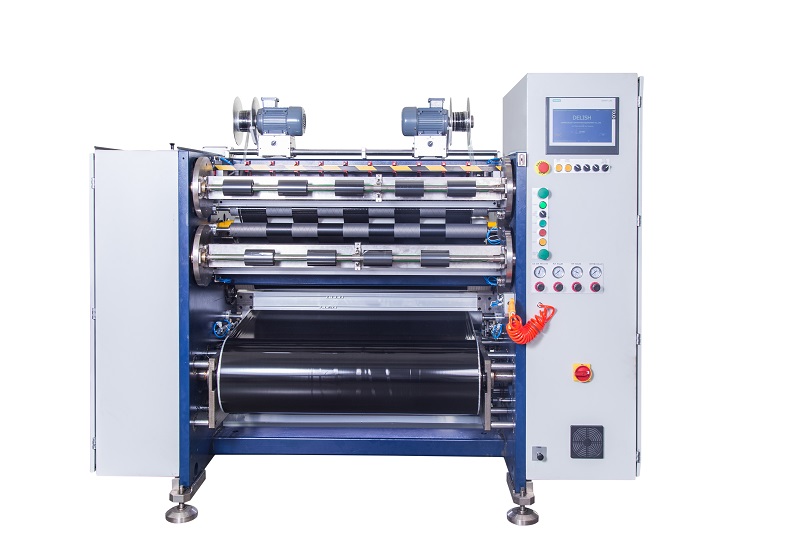
4. Typical case analysis
Case: In a ribbon slitting workshop, when slitting a 60mm wide and 8000m long mixed-base ribbon, it is retracted to about 5000 meters, and the core tube and the expansion shaft frequently slip, accompanied by end face sawning.
Diagnostic process:
1. Check the expansion shaft: the air pressure is 0.6MPa normal, but the expansion key has slight wear, resulting in a gap between the expansion and the core tube after tightening.
2. Inspection process: The initial tension of 20N is too large, the taper tension is set to "initial 100%, the final 90%", and the taper is too small.
3. Check the core tube: the inner diameter is 0.15mm larger, exceeding the standard tolerance.
Solution:
1. Replace the air expansion shaft with a new one to ensure the expansion and tightness force.
2. Reduce the initial tension to 15N. The taper tension curve is modified to: the tension is reduced to 80% when the roll diameter reaches 70mm, and to 65% when the roll diameter reaches 90mm.
3. Replace a batch of core tubes with qualified inner diameters, and choose a model with reticulated inner wall.
Result: The problem was completely solved, and the winding end face was neat and there was no slippage.

5. Summary and prevention suggestions
Winding slippage is the result of the coupling of various factors, but the two main reasons are insufficient expansion and tightness of the expansion shaft and unreasonable tension, especially the taper tension. The principle of "machinery first and then technology" should be followed when solving.
Daily prevention recommendations:
• Establish a spot inspection system: check the expansion and tightness of the inflation shaft and the condition of the roller every day.
• Process standardization: Establish a standard tension and taper parameter database for different ribbon specifications (width, length, substrate type).
• Operation training: enable operators to understand the mechanism of slippage and actively judge the initial signs (such as abnormal winding sound and slight uneven end faces).
• Regular maintenance: Quarterly maintenance of the winding drive system and all guide roller bearings.
Through systematic analysis and adjustment, the winding and slippage problem of the ribbon slitting machine can be effectively controlled, thereby significantly improving the slitting yield and production efficiency, and ensuring the stable quality of the final product.
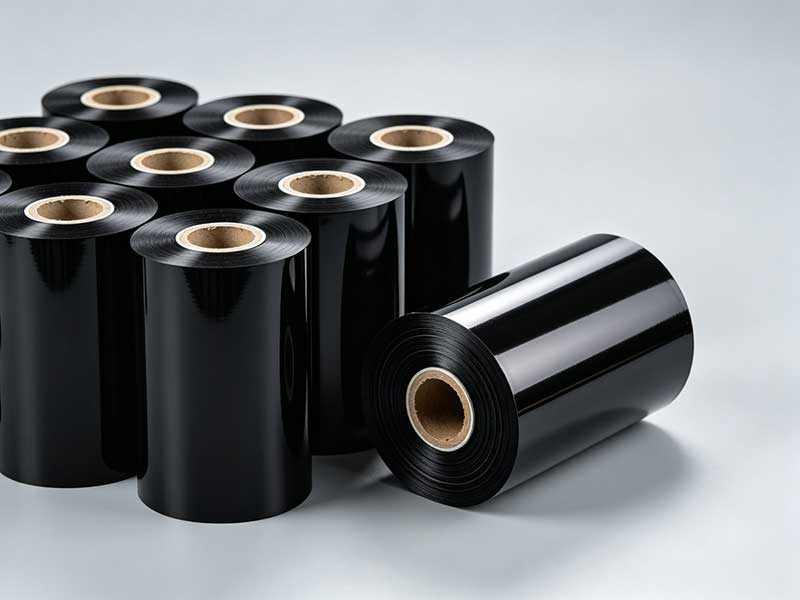
The widespread adoption of fully automatic ribbon slitting machines is changing this situation. Its core value can be summed up in six words: efficient, stable, and labor-saving.
22. October, 2026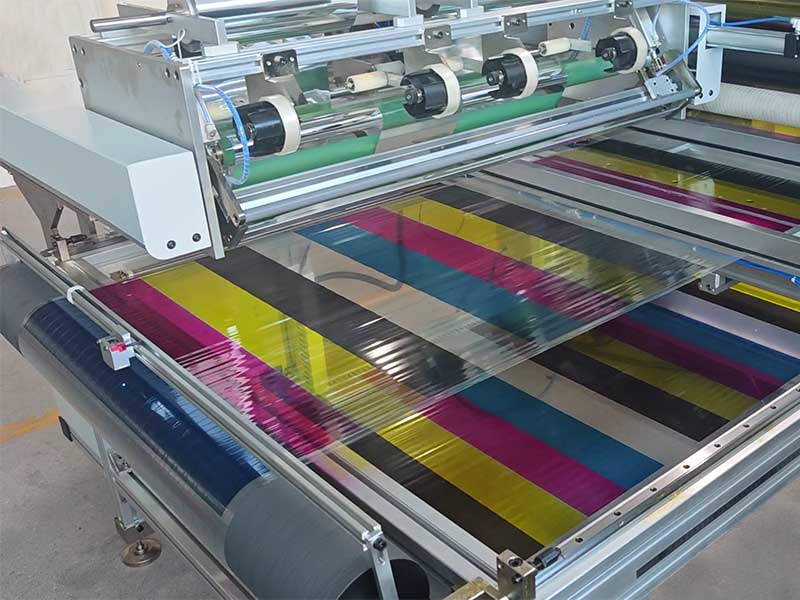
The color ribbon slitting machine is mainly used for wide roll slitting and rewinding of materials such as card printer color ribbons and thermal transfer ribbons.
21. October, 2026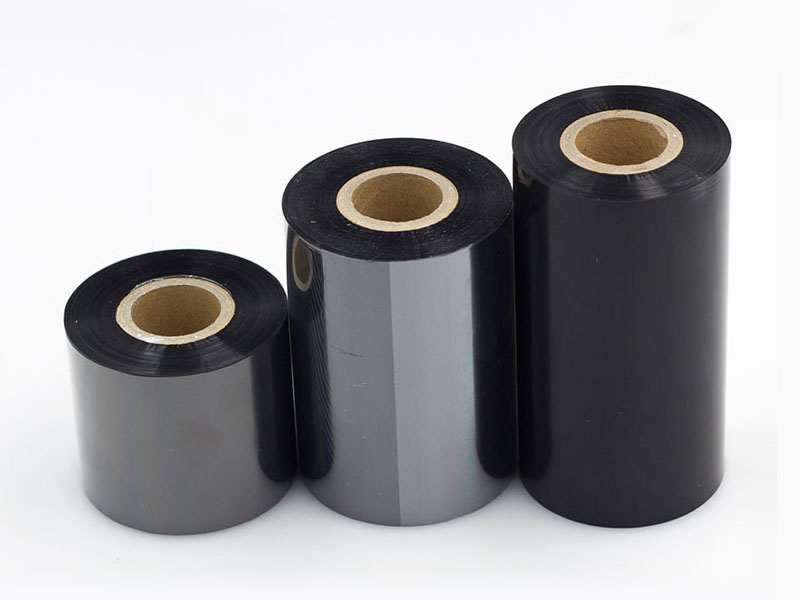
This article will break down the technical core of this function from four dimensions: signal detection, control logic, shutdown strategy, and precision calibration.
19. October, 2026The value of the automatic correction function lies in incorporating this runaway variable into a precise closed loop, shifting slitting operations from "post-event selection" to "real-time self-heali
19. October, 2026This paper proposes a practical efficiency improvement plan from three dimensions: downtime management, switching optimization, and tension upgrade.
19. October, 2026


 English
 Deutsch
 Français
 Español
 Português
 日本語
日本語 русский
 한국어
한국어 عربي
عربي ภาษาไทย
 Tiếng Việt
 Italiano