
In the field of thermal transfer printing, the quality of the ribbon (TTR) directly determines the clarity and readability of barcodes, labels, and even the internal identification of electronic products. In the ribbon production process, slitting and rewinding are key processes that determine the flatness, length and integrity of the final product. With the continuous improvement of downstream customers' requirements for printing quality, a practical question is facing ribbon manufacturers: is installing an online defect detection system on the slitting machine a necessary quality investment or an excessive cost burden?
1. Pain points of the traditional model: why do we need to "see" the flaws?
In the slitting rewinding process without in-line inspection, operators often rely on visual or offline sampling inspections to control quality. However, as a high-precision coated film product, ribbon often has small size and low contrast due to its common defects such as uneven coating, pinholes, scratches, oil stains, and poor seams. When the slitting machine is running at hundreds of meters per minute, the human eye can hardly capture all defects in real time.
More importantly, once the defective ribbon flows into downstream customers (such as barcode printing users or label processing plants), it will directly lead to broken needles, white strips, blurred handwriting, and even damage to the print head. The cost of returns, claims, and goodwill caused by such quality incidents is much higher than the cost of intercepting defects internally. Therefore, from the perspective of risk control, the "invisible" quality hazard is precisely the biggest cost.
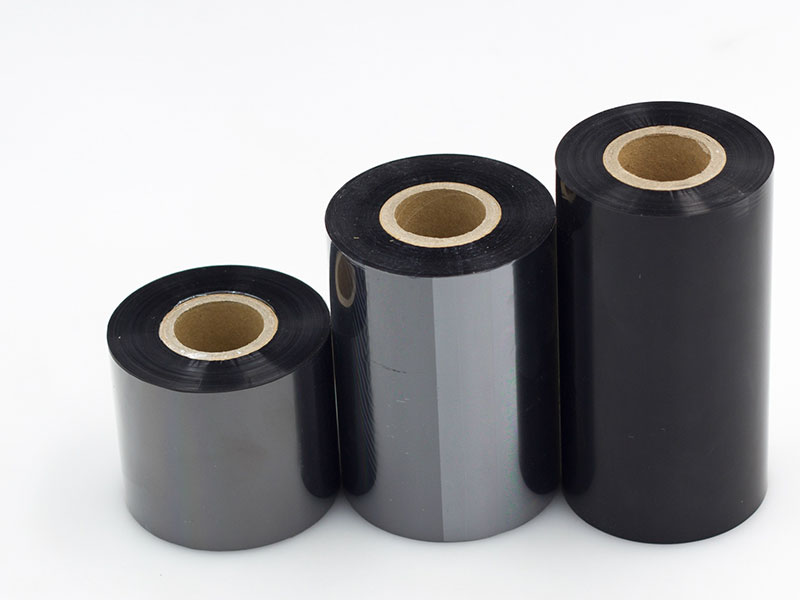
2. What can online defect detection do?
A typical ribbon slitting machine online defect detection system usually includes a high-resolution line scan camera, LED light source, encoder, and image processing software with deep learning algorithms. Its core competencies include:
1. Real-time scanning of full-format: Whether the ribbon width is 30mm or 300mm, the system can cover the entire format without relying on the operator's line of sight.
2. Micron-level defect identification: pinholes above 0.1mm, coating missing, longitudinal stripes or micro-scratches can be detected.
3. Defect classification and positioning: The system can not only alarm, but also classify and record according to defect type (such as black spots, white spots, bubbles), and accurate to the meter-level position, which is convenient for subsequent rejection or re-inspection.
4. Linkage with rewinding system: High-end solutions can automatically mark bad paragraphs and even trigger equipment shutdown when continuous serious defects are found, avoiding batch scrapping.
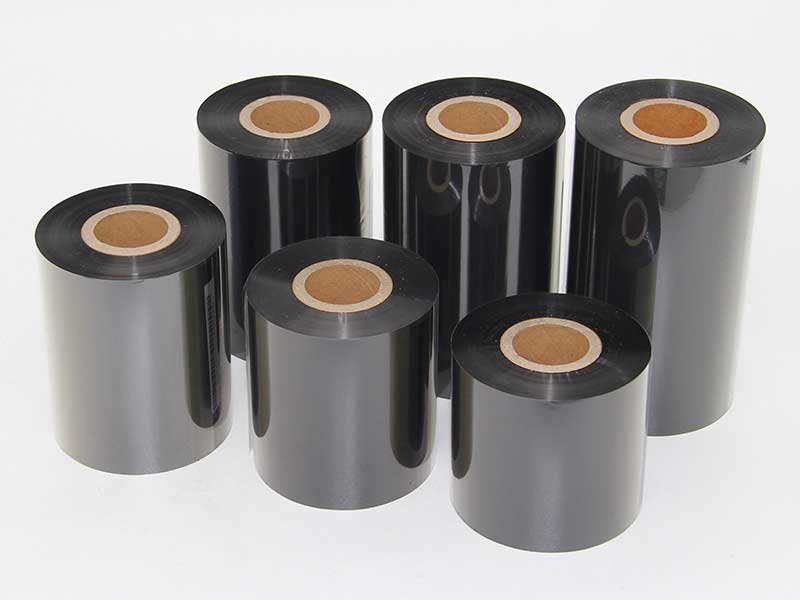
3. Four reasons why it is worth investing
1. Reduce customer complaints and return costs
The ribbon produced by a high-speed slitting machine in a day may be worth tens of thousands to hundreds of thousands of yuan. If a batch of defective products leads to customer returns, the direct loss and the risk of customer loss far exceed the investment in a testing system. Online inspection is equivalent to issuing a "digital quality report" for each ribbon to achieve zero-defect delivery.
2. Improve overall equipment effectiveness (OEE)
Traditional modes require regular shutdown for sampling or frequent inspections by operators. Online inspection completes 100% full inspection at the same time as slitting, without taking up additional time, and can automatically record quality data to reduce manual intervention and misjudgment.
3. Meet the requirements of high-end customer review
In terminal fields such as medical, automotive electronics, and logistics, customers often require ribbon suppliers to have process control capabilities under IATF 16949 or ISO 9001 systems. It has the ability to continuously test online and has become the entry threshold for many first-tier suppliers. Without this capability, it may be excluded from high-end tenders.
4. Long-term savings in material and labor costs
Although the initial installation of the system (about 5-150,000 yuan, depending on the configuration) requires a certain amount of investment, most companies can recoup their investment within 6-18 months by reducing waste, reducing re-inspection labor, and avoiding batch quality accidents. In addition, inspection data can be used to feed back the coating process and reduce defects at the source.
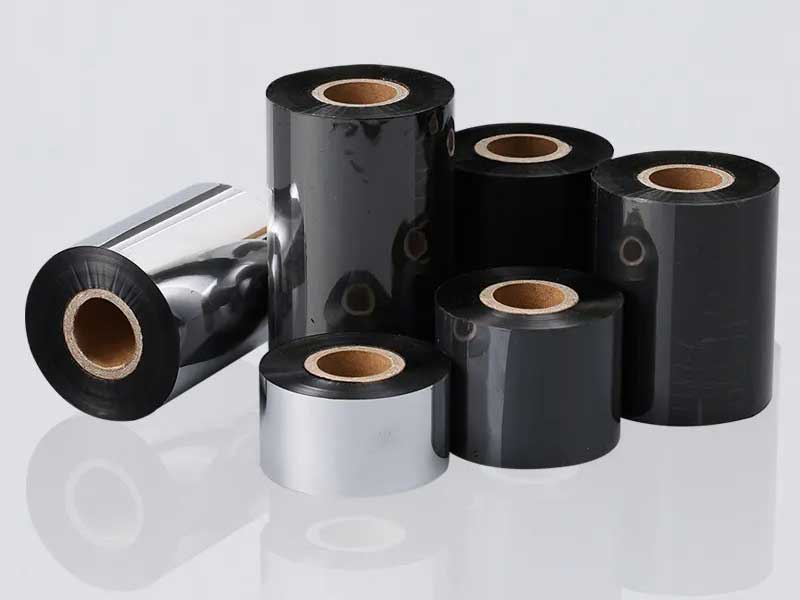
4. Challenges to consider
Of course, not all cases are suitable for immediate retrofitting:
• Low-value products or small batch production: If the ribbon is predominantly low-end wax base and the value of a single roll is low, the inspection system may not be able to afford to share the cost.
• Old or poor maintenance of existing equipment: The tension fluctuation of the slitting machine itself and the excessive runout of the roller will lead to a large number of false defect alarms, and the equipment foundation needs to be modified first.
• Insufficient personnel and technical preparation: The system requires a certain amount of initial calibration and parameter tuning, and the enterprise needs to have engineers who understand image processing or at least familiar with electrical automation.
5. Conclusion: From "optional" to "mandatory"
On the whole, for mid-to-high-end ribbon (hybrid-based, resin-based) manufacturers, as well as suppliers for harsh industries such as automotive, medical, and electronics, the installation of online defect detection on slitting machines is no longer a question of "whether it is worth it", but how to implement it faster and more economically.
With the decline in machine vision costs and the maturity of AI algorithms, online inspection is changing from the luxury level configuration in the past to the standard component of digital upgrades of ribbon production. It is not only a tool for finding defects, but also a set of management levers to help enterprises shift from "post-inspection" to "process control" and from "experience" to "data".
In the end, the answer is simple: if you want every roll of ribbon to reliably print the perfect barcode, then the "electric eye" on the slitting machine is worth having.
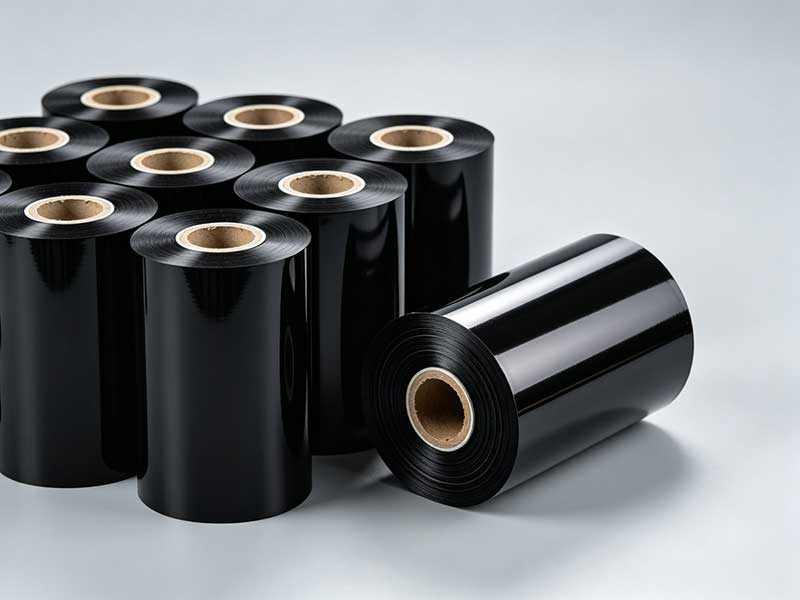
the key to choosing a model is not to pursue the "highest configuration," but to find a balance that matches your own business.
12. October, 2026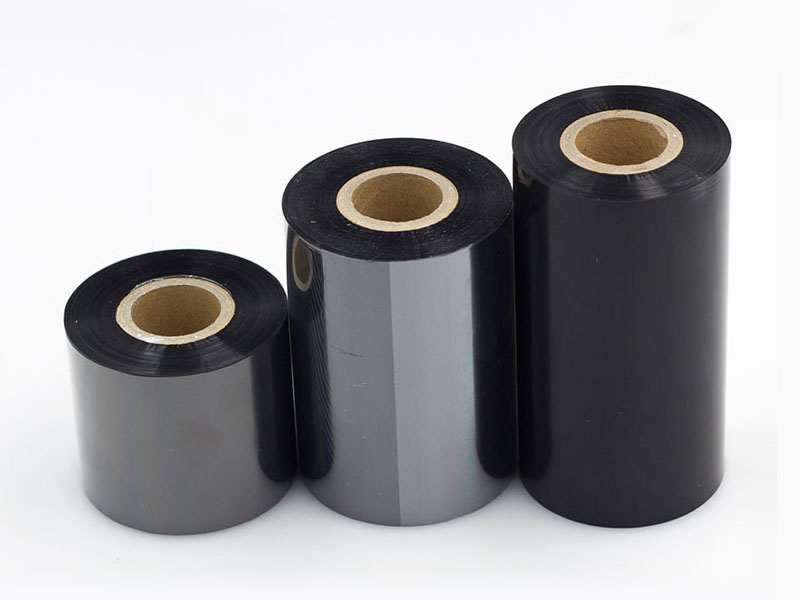
The coating formula, base film characteristics, and physical specifications of the ribbon directly affect the suitability and yield of the slitting machine.
09. October, 2026The core function of a ribbon slitting machine revolves around three dimensions: "precise cutting, stable rolling, and fast running."
09. October, 2026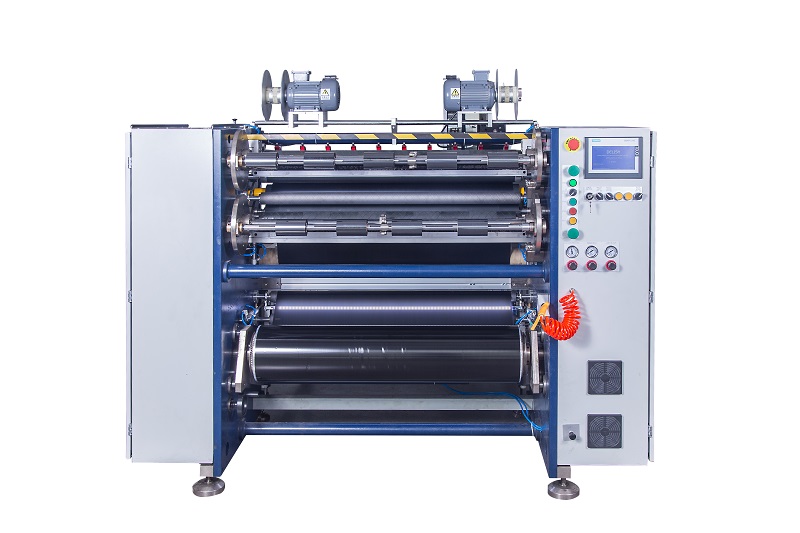
This article starts from actual usage scenarios to outline a clear selection approach.
09. October, 2026The essence of uneven end faces in ribbon slitting machines is an external manifestation of subtle imbalances between tension, parallelism, correction, and tool condition.
05. October, 2026


 English
 Deutsch
 Français
 Español
 Português
 日本語
日本語 русский
 한국어
한국어 عربي
عربي ภาษาไทย
 Tiếng Việt
 Italiano