
Uneven winding is one of the most persistent quality issues in ribbon slitting processing. Ribbon base films are typically only 4.5 to 10 microns in size and are extremely sensitive. Even millimeter-level displacement on the end face can evolve into tape, wrinkles, or even print head wear during subsequent printing. Many operators are used to blindly adjusting tension or replacing blades whenever they encounter inconsistencies, which often leads to increasingly chaotic adjustments. In fact, uneven winding is not a single fault, but a comprehensive characteristic of the disruption of tension control, mechanical precision, and auxiliary system balance. This article will start from symptom classification and provide a solution approach that progresses from simple to complex and can be quickly implemented.
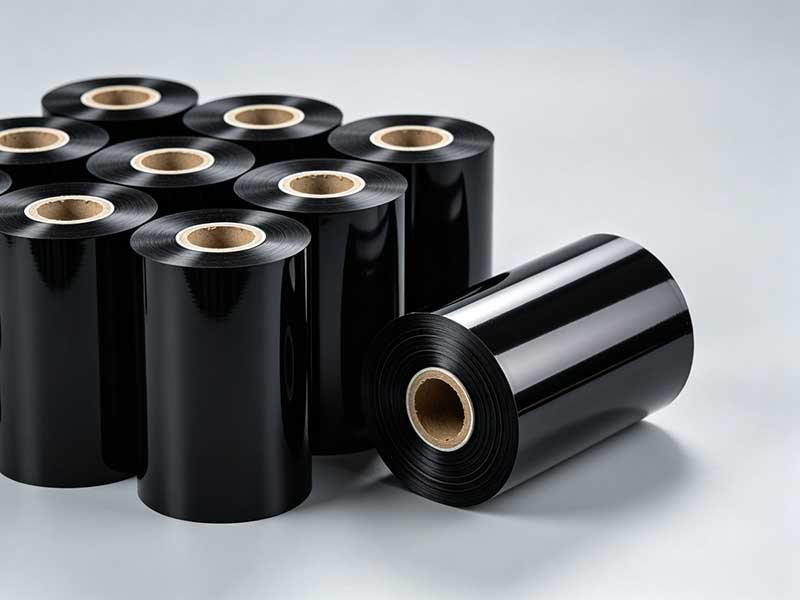
Step 1: Understand the noodles and apply targeted solutions
Before you start, observe the specific shape of the winding end, as different manifestations point to completely different causes. If the end face appears as a "bell-mouth" or a single-sided prominent conical shape, the problem usually lies in excessive winding tension or uneven pressure at both ends of the pressure roller; If both ends are neat but the middle is loose or partially raised, suspicion should be suspected of winding reel, deformed paper tube, or excessive tolerance of incoming material thickness; If the end face shows periodic serrated oscillation, the spearhead should point toward blade wear or uneven slitting gaps; However, overall deviation and serpentine deviation often indicate that the guide roller is not parallel or the correction system is failing. Identifying the type of symptom is the prerequisite for avoiding futile attempts.
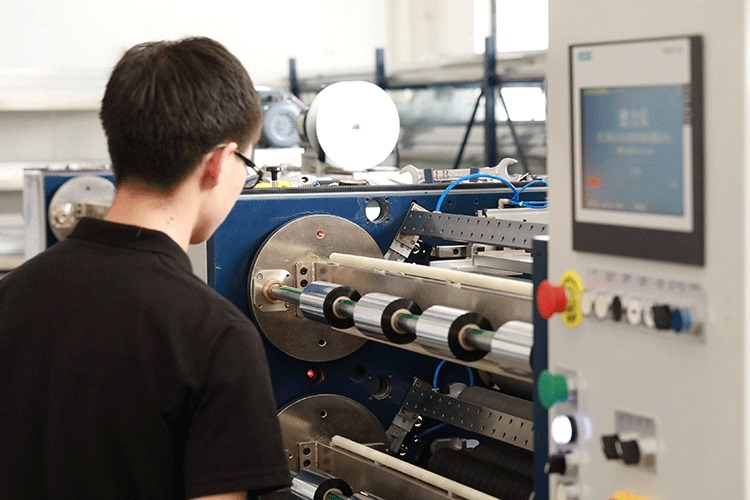
Tension control: lower first, then adjust, skillfully use taper
In the vast majority of cases with incomplete collection, improper tension setting is the primary suspect. The ribbon material is extremely thin; when tension is too high, the material is stretched excessively, causing uneven stress on the edges and forming a "bellshell"; If the tension is too low, the interlayer becomes loose and the end face naturally collapses. The quick verification method is to reduce the winding tension controller by 5% to 10% each time, then run a test run for two to three meters to observe changes in the end face. For 10mm wide test strips, the empirical value of winding tension is usually controlled between 3 and 5 N. More importantly, the taper setting is key. As the roll diameter increases, if the tension does not decrease along the curve, the outer layer will press the inner layer like a hydraulic press, forming a "daisy core" or tower-shaped staggered layer. Taking a coil core with an initial outer diameter of 300 mm as an example, the initial tension can be set to 12 N, the end can be reduced to 8 N, and the taper coefficient is set between 0.3 and 0.5, effectively achieving the ideal structure of "tight inside, loose outside."
Rollers and Parallelism: The Easily Overlooked "Invisible Pushers"
Even if tension is adjusted, the end face remains uneven, and the problem is likely hidden in mechanical precision. If the pressure roller and rewinding shaft are not parallel, each rotation generates axial thrust, pushing the carbon belt to one side to create a misaligned layer. On site, a sheet of A4 paper can be inserted into the gap between both ends of the roller and the rewinding reel. If the resistance feels noticeably different when pulled out, it indicates the lines are not parallel. For temporary emergencies, release the bearing seat at one end of the pressure roller and insert a thin shim of 0.1 to 0.2 millimeters for correction. Equally important is the gap between the paper tube and the rewinding reel. When the gap exceeds 0.5 millimeters, the paper tube exhibits eccentric jolting during high-speed rotation, causing the end face to swing periodically. The standard fit clearance should be controlled within 0.3 millimeters. Temporary measures can be wrapped around the shaft with a layer of masking paper for friction, and long-term paper tubes with qualified tolerances must be procured. In addition, the radial runout of the winding shaft itself should not exceed 0.05 millimeters, and bent shafts must be replaced or straightened.
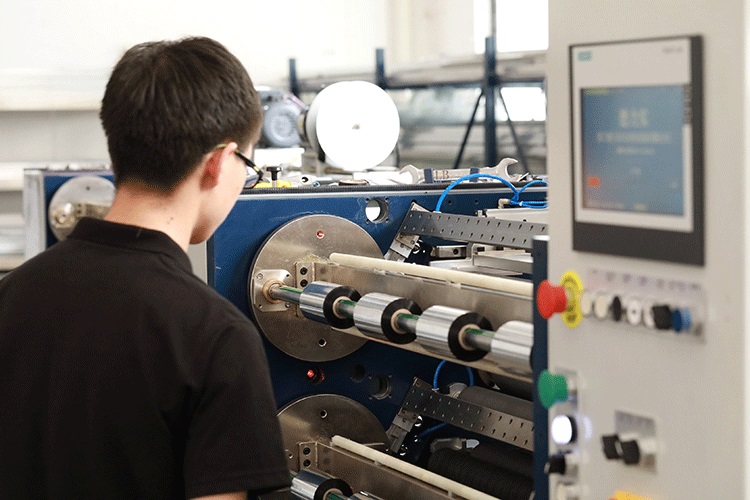
Correction and tools: Don't let minor issues turn into major failures
Failure of the correction system is the direct cause of winding deviation, and the cause is often surprisingly simple—a layer of toner buildup on the photoelectric sensor lens. Wipe the probe with alcohol and gently push the edge of the ribbon to observe if the sensor responds; most hidden dangers can be eliminated in thirty seconds. If the air tube of the correction actuator falls off or bends off, you can manually adjust the rewinder to the center position temporarily to complete small batch orders. Regarding cutting tools, the recommended gap between the upper and lower blades for ribbon slitting is only 0.01 to 0.03 millimeters, about half that of ordinary paper slitting. Burrs or wavy cuts caused by blade wear gradually accumulate into end-face staggered layers during winding. At this time, a 0.02mm feeler gauge is used to recalibrate the gap, and if wear is severe, it should be replaced directly—the time cost of sharpening is much higher than replacing the blade.
Establishing order: Turn the debugging experience into reusable parameters
The highest efficiency in solving incomplete rolls isn't about rediscovering every failure, but about keeping the parameters that have been successfully calibrated. It is recommended to establish a "medical record card" for each piece of equipment, recording the winding tension, taper coefficient, roller pressure, and tool clearance values corresponding to different ribbon models (width, substrate thickness, coating type). During the changeover, historical parameters were directly called, and the test drive was at 80% of normal speed for 200 meters to verify the end face. The first 100 meters were checked for low-speed conditions, and the last 100 meters for high-speed stability. On a daily shift, use a ruler to check the parallelism of the guide rollers; if the deviation exceeds 0.1 millimeters per meter, correction is required; weekly cleaning of all rollers is done with industrial alcohol, especially for carbon powder adhesion on the rubber roller surfaces. Incomplete winding is essentially an alarm signal of an imbalance between equipment precision and process parameters. Treating it as an opportunity for a system inspection is far more valuable than repeated firefighting.
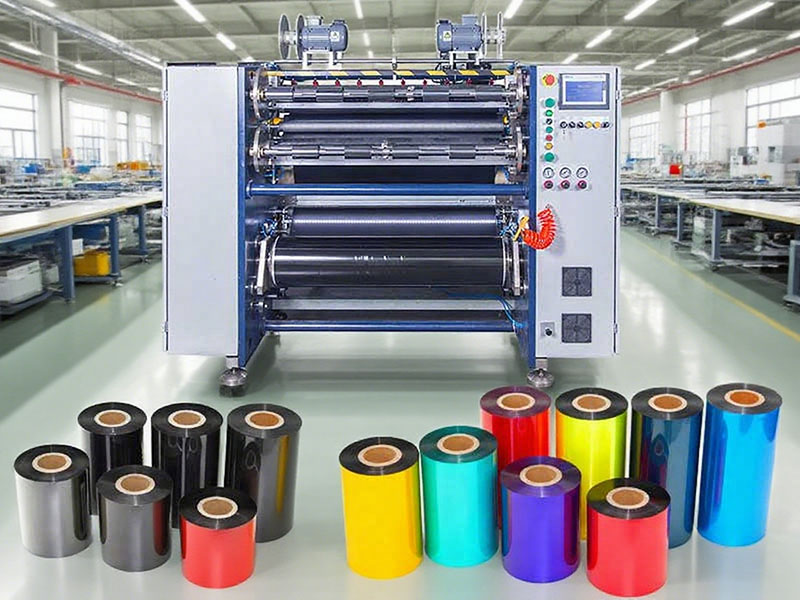
no need to buy a dedicated machine or gamble on a mismatched machine just because of a rushed resin-based washing order.
16. November, 2026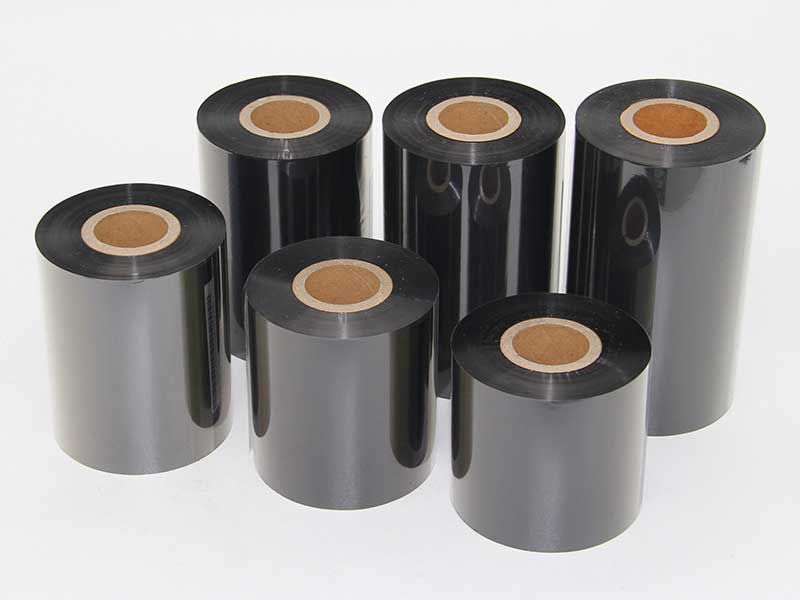
As a result, a well-calibrated high-precision ribbon slitting machine can stabilize width tolerances within ±0.05mm, and reduce the defect rate from 2% to 3% of ordinary equipment to below 0.3%.
16. November, 2026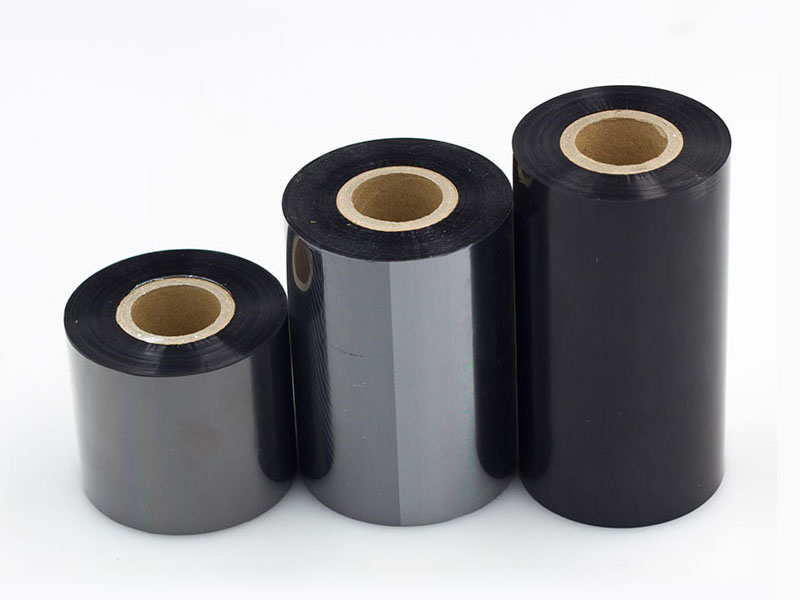
Below is a summary of the full-process operating standards from startup preparation to finishing based on equipment characteristics and process requirements.
07. November, 2026Ribbon slitting and rewinding is a key process in the production of thermal transfer consumables, and its efficiency directly determines delivery cycles and cost competitiveness.
07. November, 2026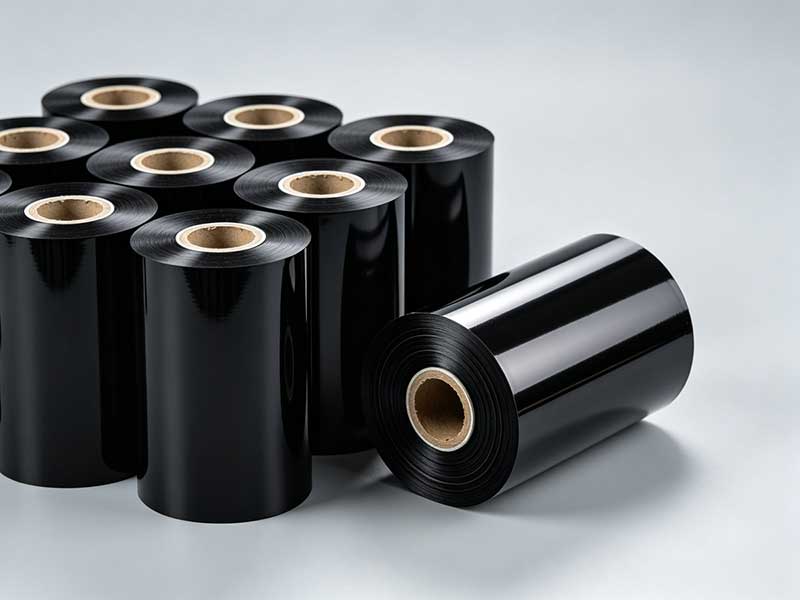
Its application scenarios go far beyond ribbon production workshops and span the entire consumables supply chain from manufacturing to end users.
07. November, 2026


 English
 Deutsch
 Français
 Español
 Português
 日本語
 русский
 한국어
 عربي
 ภาษาไทย
 Tiếng Việt
 Italiano