
In the process of winding and unwinding of the slitting machine, the winding and unwinding diameter is constantly changing, and the change of diameter will inevitably cause changes in the tension of raw materials.
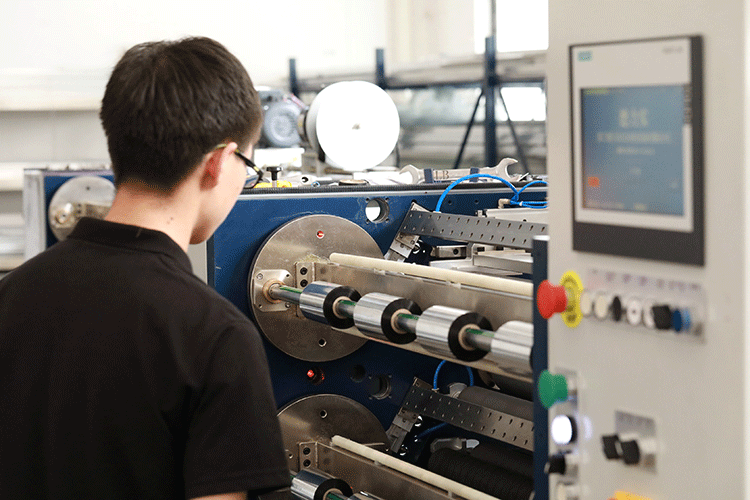
When the braking torque is unchanged, the diameter of the slitter is reduced and the tension will increase. On the contrary, if the winding torque is unchanged, the tension will decrease as the winding diameter increases. This is the main factor that causes changes in the tension of the raw material during operation.
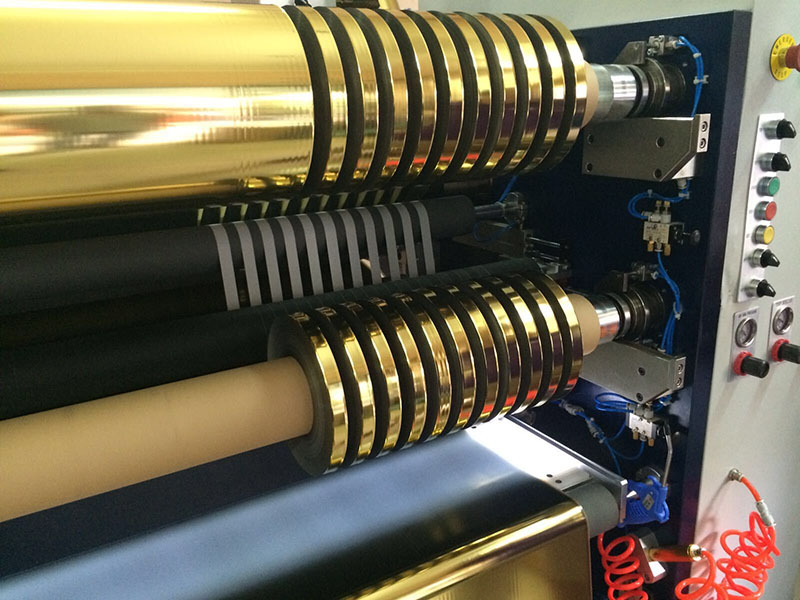
Changes in the tightness of the raw material roll also cause changes in the tension of the slitter. Inhomogeneity of the material of the slitting raw material. For example, the fluctuation of material elasticity, the change of material thickness along the width and length direction, the quality eccentricity of the coil, and the change of temperature and humidity in the production environment will also affect the tension fluctuation of the slitter.
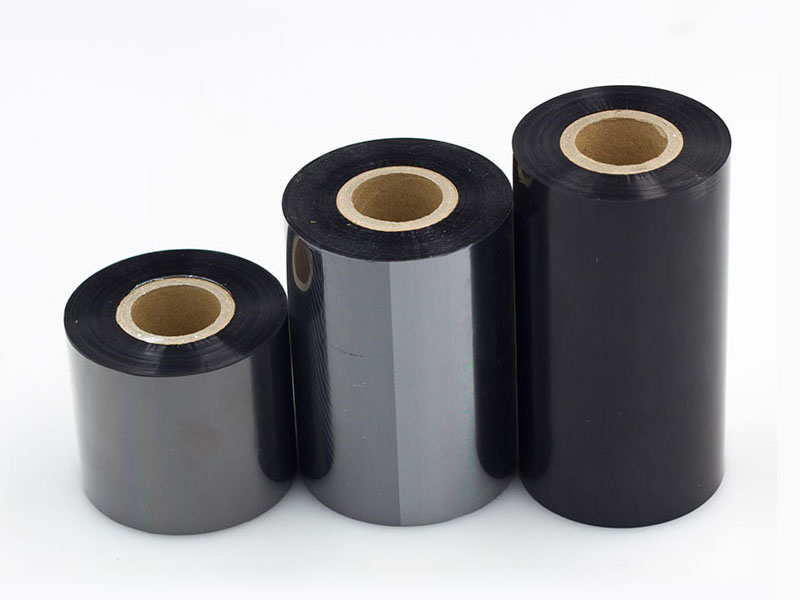
This article will break down the technical core of this function from four dimensions: signal detection, control logic, shutdown strategy, and precision calibration.
19. October, 2026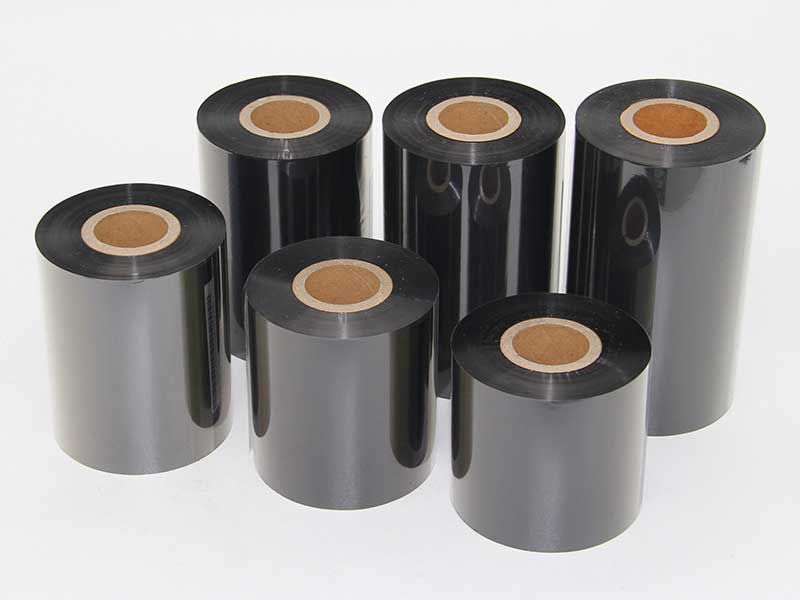
The value of the automatic correction function lies in incorporating this runaway variable into a precise closed loop, shifting slitting operations from "post-event selection" to "real-time self-heali
19. October, 2026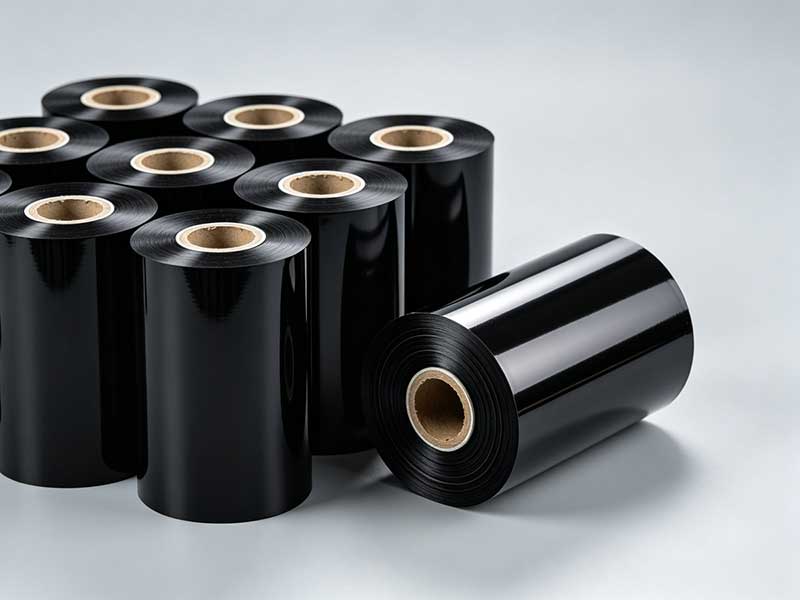
This paper proposes a practical efficiency improvement plan from three dimensions: downtime management, switching optimization, and tension upgrade.
19. October, 2026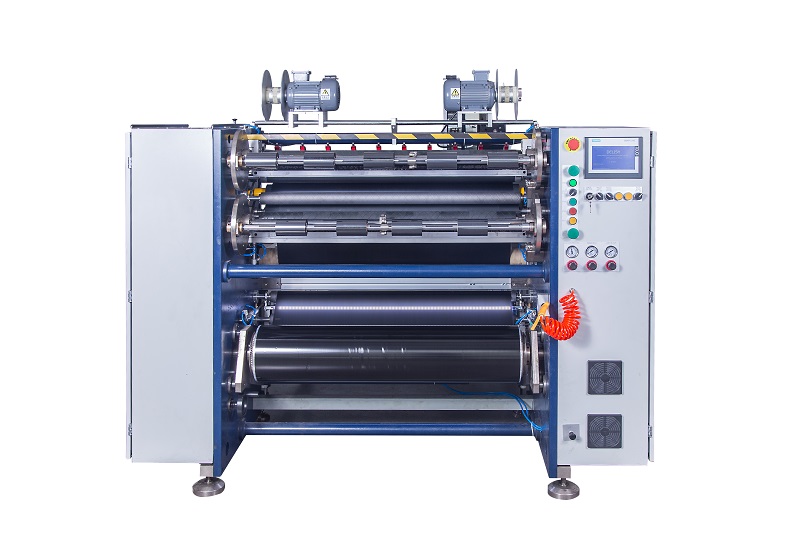
Choosing the right slitting machine is not just about buying a piece of equipment, but about establishing a production system that controls losses from the source.
17. October, 2026When tension is precisely controlled, the transfer quality, slitting yield, and production efficiency of the ribbon are fundamentally guaranteed.
17. October, 2026


 English
 Deutsch
 Français
 Español
 Português
 日本語
 русский
 한국어
 عربي
 ภาษาไทย
 Tiếng Việt
 Italiano