
A slitter is a machine used to cut large rolls of material into small rolls or pieces. It is commonly used to cut materials such as paper, plastic film, metal foil, fabric, etc. The principle of the slitting machine is to cut the material to the desired size and shape by blade or cut-off wheel. The slitting machine usually has functions such as automatic feeding, automatic cutting and automatic winding, which can greatly improve production efficiency and reduce manual operation. Slitting machines are widely used in packaging, printing, manufacturing and other fields. Today we will introduce how the slitting machine improves production efficiency.
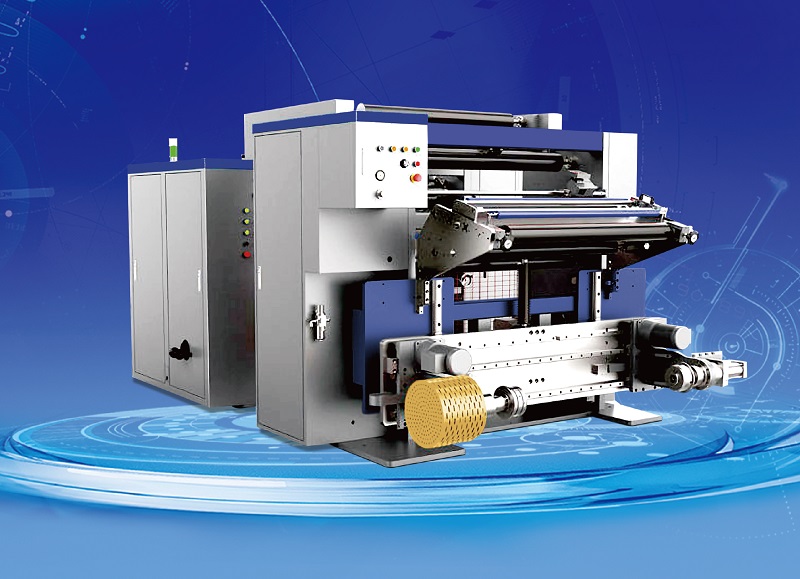
First of all, the intelligent system of the slitting machine can realize the uninterrupted operation of the equipment. It can automatically start, stop and adjust according to the production schedule without the need for manual human intervention. This greatly reduces the time wasted by faults and downtime maintenance caused by improper human operation, maximizes production cost savings and improves production efficiency.
Secondly, the operation of the slitting machine is simple, and the user can quickly get started without too much technical training. Moreover, it can be remotely monitored and operated through a computer, and you can grasp the operation status of the machine without going to the scene in person. This design greatly reduces the management cost of the machine and also improves the maintenance efficiency.
Finally, the slitting machine operates quickly, can accurately cut large materials, and can also adjust the slitting speed and paper length to suit different production needs. Its efficient production capacity and precise cutting technology greatly improve the efficiency and quality of production.
Therefore, how does the slitting machine improve production efficiency? It greatly reduces production failures and shutdown maintenance by realizing intelligent equipment, ease of operation and efficient and accurate cutting, bringing important opportunity cost savings, thereby greatly improving the efficiency and quality of production, so that manufacturing enterprises can better adapt to market demand.
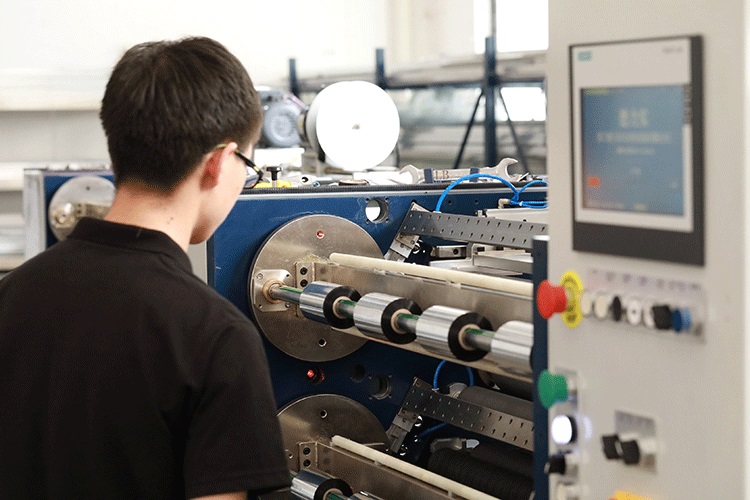
no need to buy a dedicated machine or gamble on a mismatched machine just because of a rushed resin-based washing order.
16. November, 2026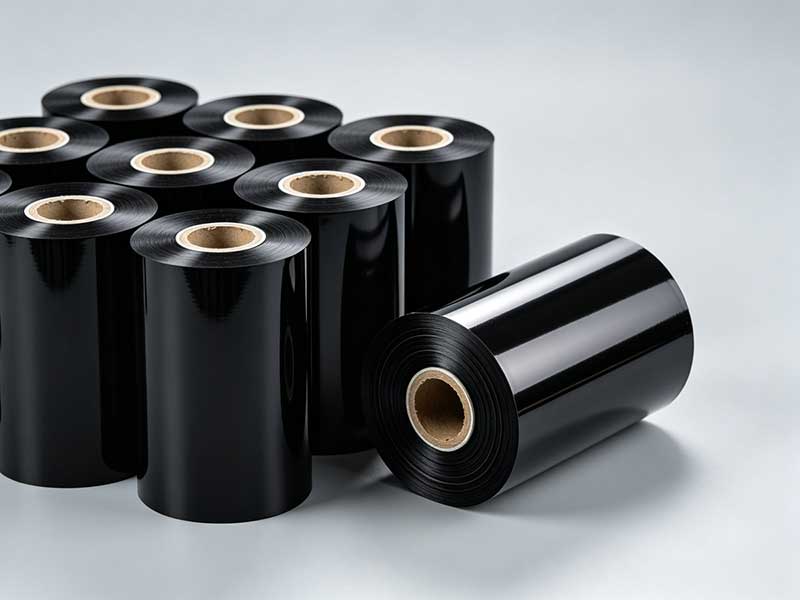
This article will start from symptom classification and provide a solution approach that progresses from simple to complex and can be quickly implemented.
16. November, 2026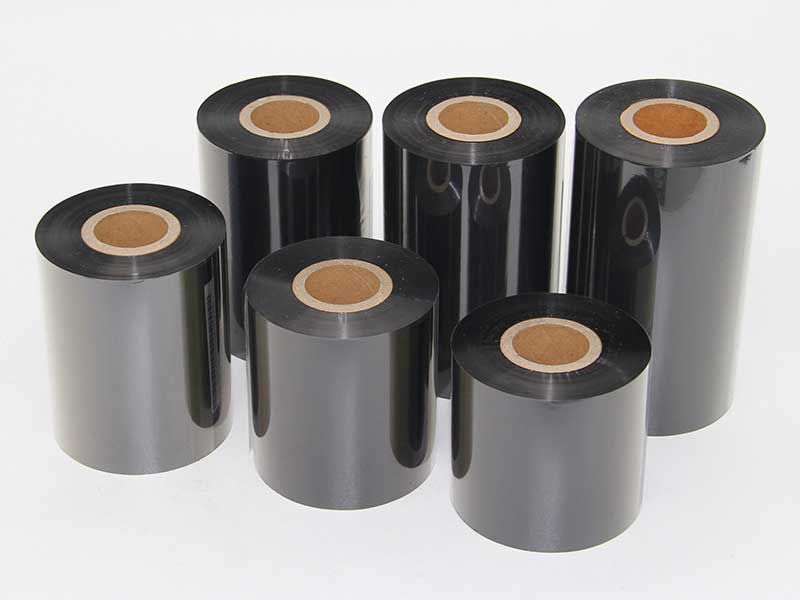
As a result, a well-calibrated high-precision ribbon slitting machine can stabilize width tolerances within ±0.05mm, and reduce the defect rate from 2% to 3% of ordinary equipment to below 0.3%.
16. November, 2026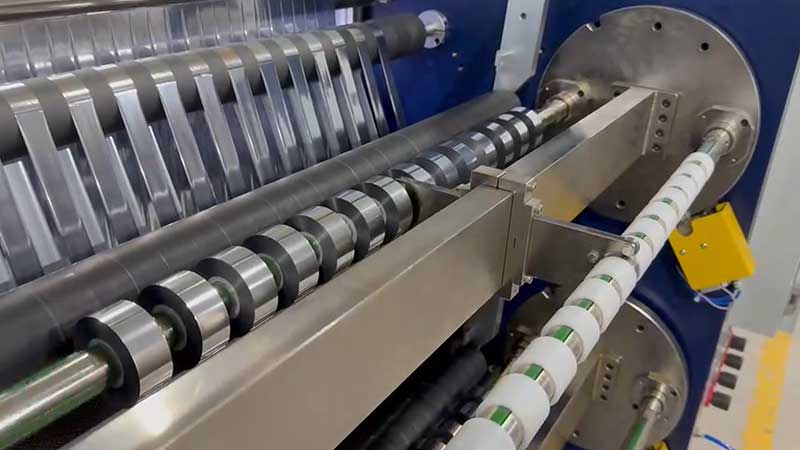
accuracy indicators will move from macro to micro, control logic will shift from experience to algorithms, and equipment roles will move from isolated islands to nodes.
10. November, 2026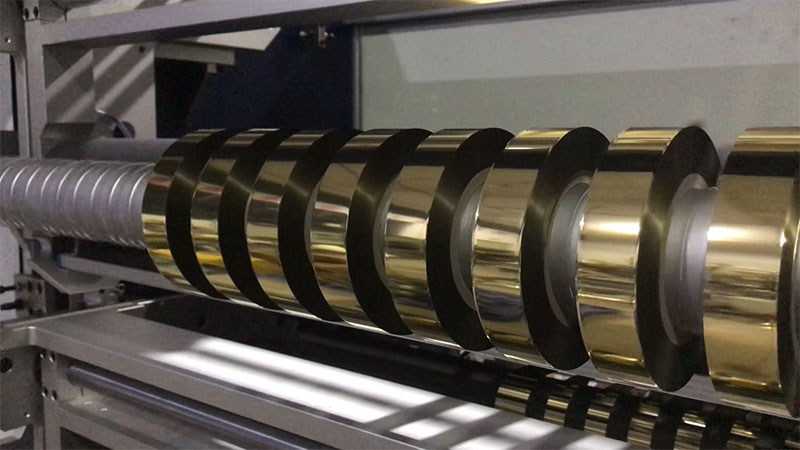
The following three application cases reveal the efficiency revolution currently underway in this area.
09. November, 2026


 English
 Deutsch
 Français
 Español
 Português
 日本語
 русский
 한국어
 عربي
 ภาษาไทย
 Tiếng Việt
 Italiano