
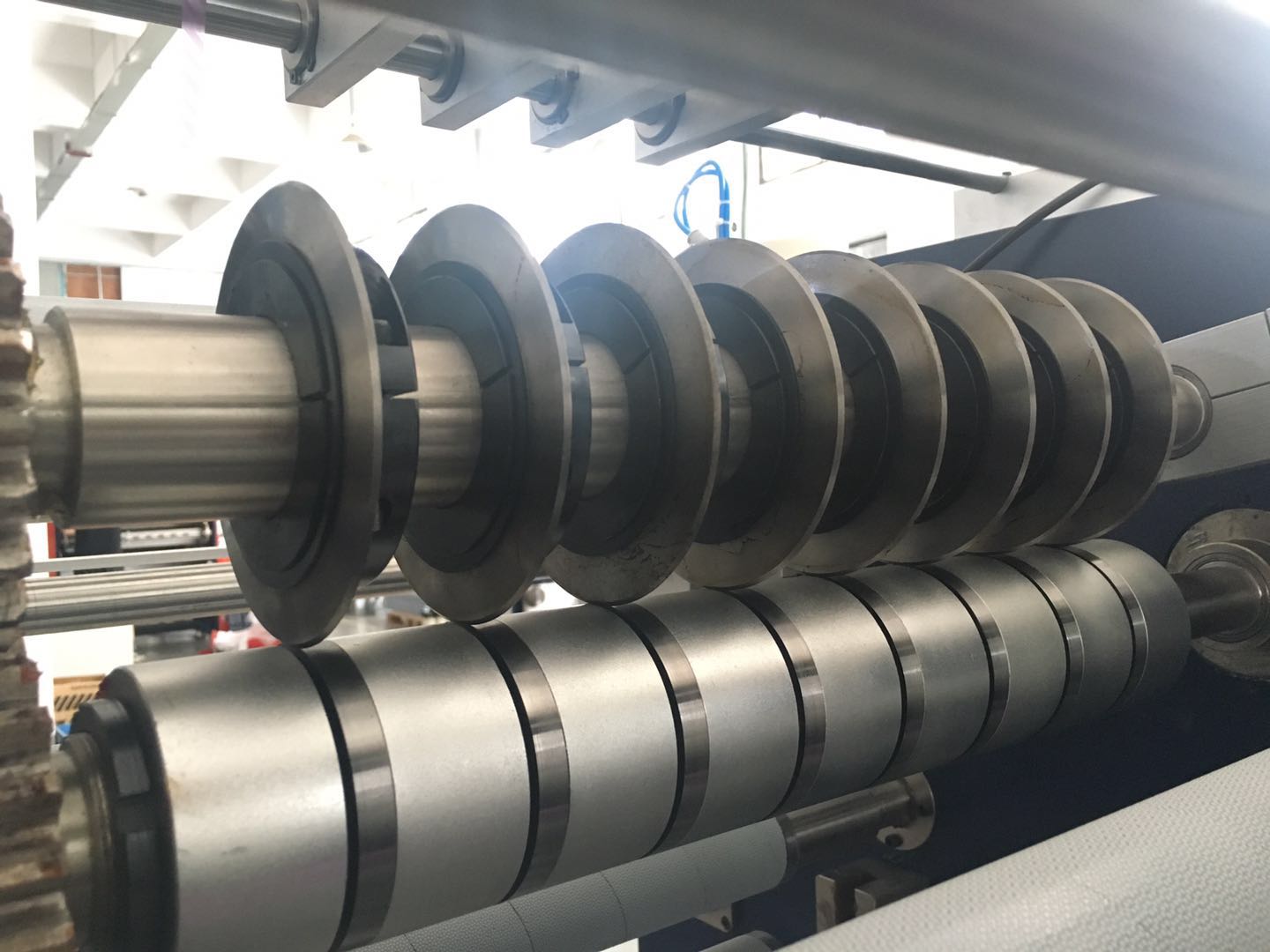
Different slitting machine manufacturers, there will be differences in specific technical capabilities, when we are in the process of production, we should have a correct understanding and understanding of different slitting machine manufacturers, only when you can pay attention to more things and understand the specific situation, the following Xiaobian will take us to understand what are the common slitting methods of slitting machine blades?
1. Trimming: After a variety of materials are compounded, the process edge material is formed, and the product that meets the process requirements is obtained by cutting off the process edge material reserved in the process. This slitting method is mostly used in the processing of composite films and other materials.
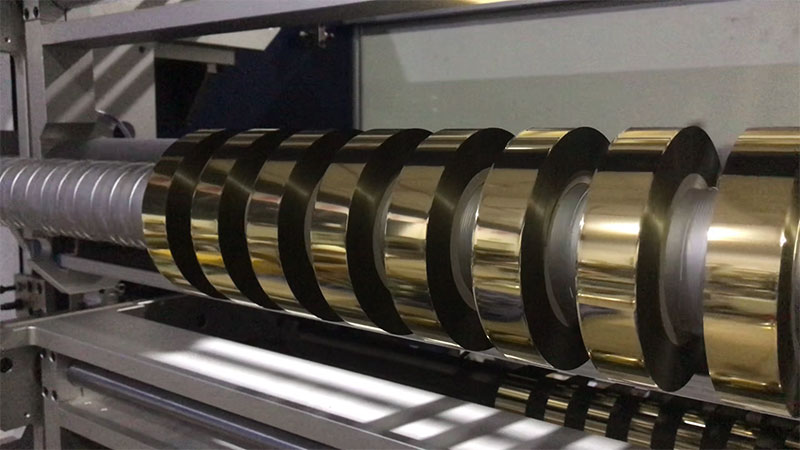
2. Cutting rolls: The whole roll of wide coils is divided into multiple rolls of narrow specifications through high-speed round knives. This slitting method is mostly used in the adhesive products industry.
3. Roll splitting: Divide the large roll diameter material into multiple rolls and small roll diameter materials according to the requirements of the winding length and width specifications. This slitting method is mostly used in the film substrate and flexible packaging color printing industry.
Width determines the rigidity and correction accuracy of the equipment's structure, while speed tests the real-time responsiveness of tension control.
24. September, 2026
This article provides a current selection framework from four dimensions: material adaptation, core parameters, intelligent configuration, and cost evaluation.
24. September, 2026
Faced with the wide variety of promotions in the market, buyers only need to focus on five core dimensions to avoid most pitfalls.
24. September, 2026
The first watershed in choosing a model isn't speed or brand, but rather — which type of ribbon do you mainly cut?
23. September, 2026
When asking suppliers the following seven questions, the quality of the answers is far more valuable than the numbers on the parameter table.
21. September, 2026


 English
 Deutsch
 Français
 Español
 Português
 日本語
日本語 русский
 한국어
한국어 عربي
عربي ภาษาไทย
 Tiếng Việt
 Italiano