
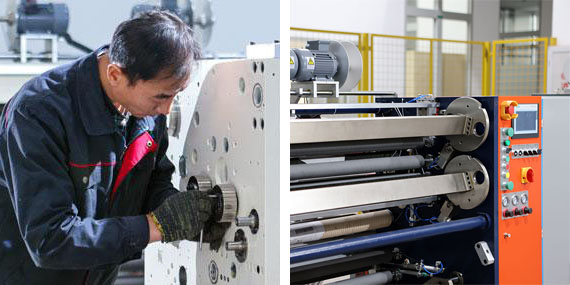
With the increasing degree of mechanization, the requirements for the efficiency of winding operations are also getting higher and higher. When the slitting machine is used in the slitting operation of film, tape and paper, the whole roll of large reel can be slitted into multiple small reels according to different requirements to meet the needs of different occasions, and has a wide range of applications in the die-cutting coating industry. The following editor shares the knowledge of the operation and maintenance of the slitting machine:
1). the application range of the slitting machine:
1. Used for slitting paper types, which is also the mainstream product in the current packaging equipment, and the packaging market is often visible.
2. It is used in the industries that demand slitting leather, cloth, plastics, films, etc.
3. Used for slitting metal coils such as slitting strip steel, stainless steel, copper... It is mainly used in steel processing plants, steel market operators, steel rolling mills, electrical industry, automobiles, stamping parts and so on.
2). Precautions for operation:
1. During the use process, we should pay attention to whether the parts are operating normally, whether there is any abnormal sound, and stop the machine in time once it appears, find out the cause and eliminate it;
2. Ultrasonic correction, put the material in the center of the manual mode before starting, and check whether the correction controller is in automatic mode before starting.
3. Slowly speed up and look at the upper and lower knives when turning on the machine. The gap should not be too large, too large will have burrs, and too small will damage the blade.
4. When calibrating the knife, when the upper knife is put down, the upper knife holder should be locked when the distance from the lower knife is 2~3mm, and the upper knife holder should be placed in the middle of the lower knife groove to avoid the upper knife edge touching the lower knife. When calibrating the knife, the upper knife holder must be locked tightly to avoid the loosening of the upper knife holder and the skipping knife during slitting.
5. Note: The machine should be grounded before use to prevent electric shock.
3). Daily maintenance:
1. Refuel the oil filling hole of the screw once a day to remove foreign objects, dust and wipe the oil on the screw, blade, tool holder, tool holder and sliding guide pillar.
2. Regularly lubricate the transmission chain and gear once every half month, and check the screws to prevent loosening and damaging the machine.
3. Regularly check whether the chain and transmission belt are loose every month.
4. When the laminating and pulling rollers do not work, the high position should be mentioned and not pressed on the active rubber roller to avoid deformation. When cleaning the paper laminating rubber roller, it is cleaned with a neutral detergent, and cannot be scrubbed with gasoline, rosin, etc. to prevent premature aging.
5. When not working, the surface of the machine should be scrubbed with a towel or soft cloth to keep the machine clean and clean.
6. When the machine is idle, the screw rod, blade, tool holder, etc. are oil-sealed, and the electroplating parts are rubbed with oil to prevent rust.
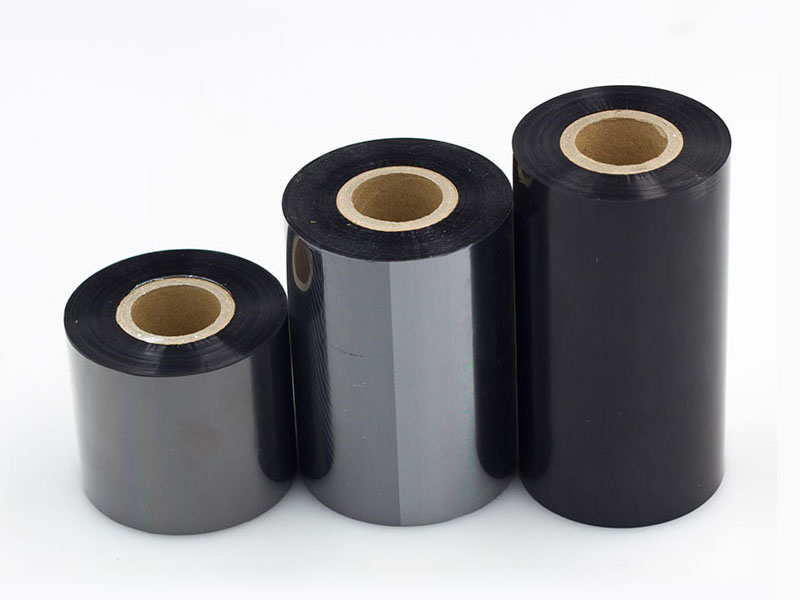
The value of the fully automatic ribbon slitting machine lies precisely in these two most basic criteria: precise cutting, minimal waste.
27. October, 2026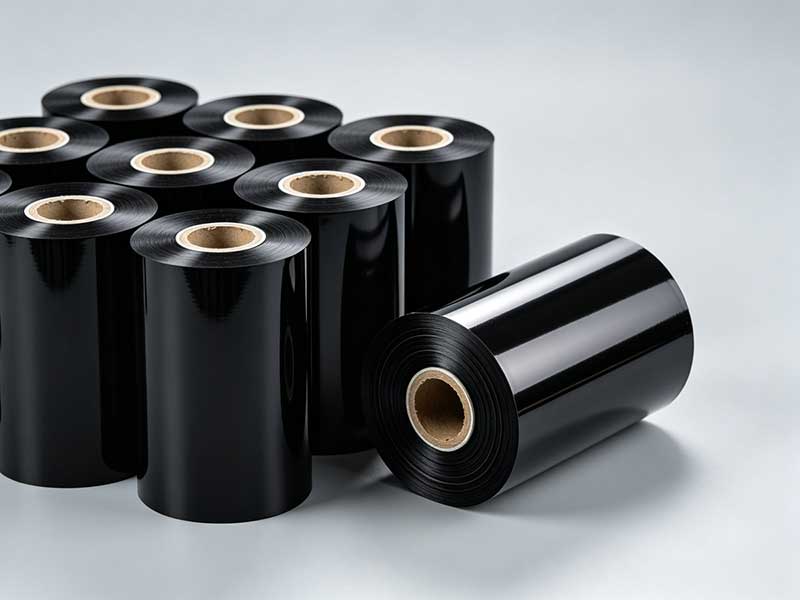
The widespread adoption of fully automatic ribbon slitting machines is changing this situation. Its core value can be summed up in six words: efficient, stable, and labor-saving.
22. October, 2026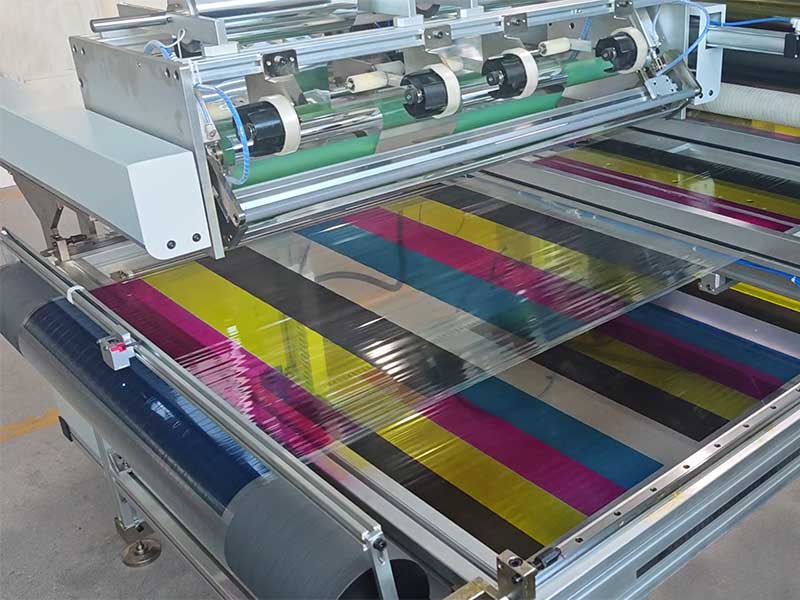
The color ribbon slitting machine is mainly used for wide roll slitting and rewinding of materials such as card printer color ribbons and thermal transfer ribbons.
21. October, 2026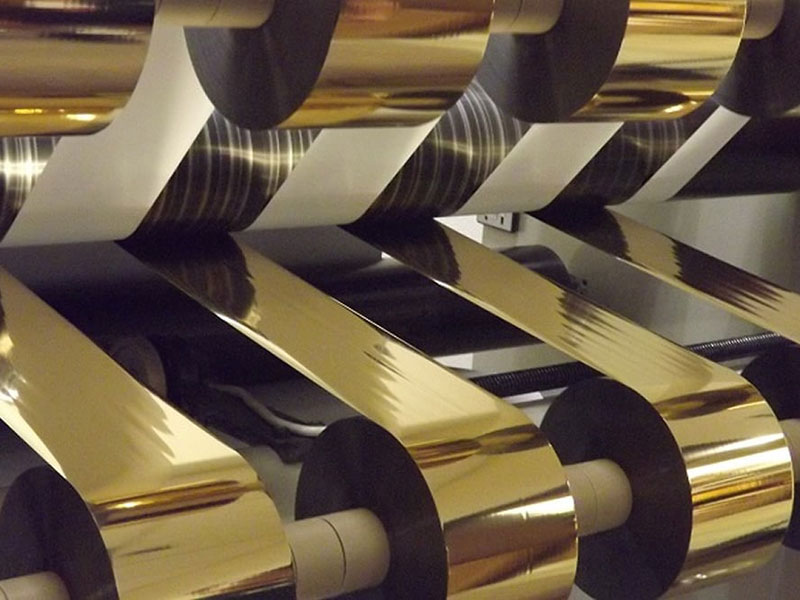
A mature automated system needs to form a closed loop simultaneously across four dimensions: correction, tension, cutting, and data management.
21. October, 2026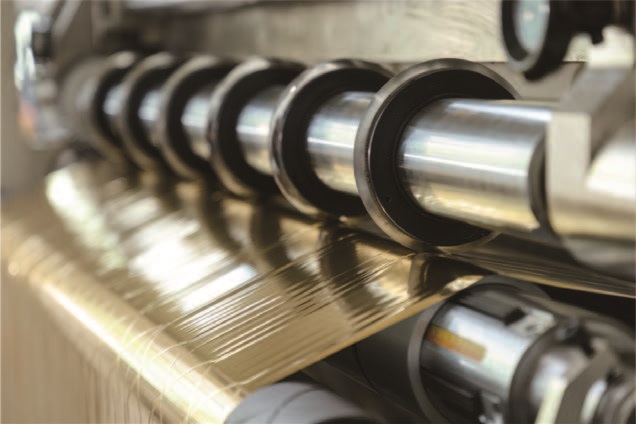
The value of customized slitting solutions lies in turning "cutting accurately, changing quickly, and no waste" from a slogan into a quantifiable production indicator.
21. October, 2026


 English
 Deutsch
 Français
 Español
 Português
 日本語
 русский
 한국어
 عربي
 ภาษาไทย
 Tiếng Việt
 Italiano