
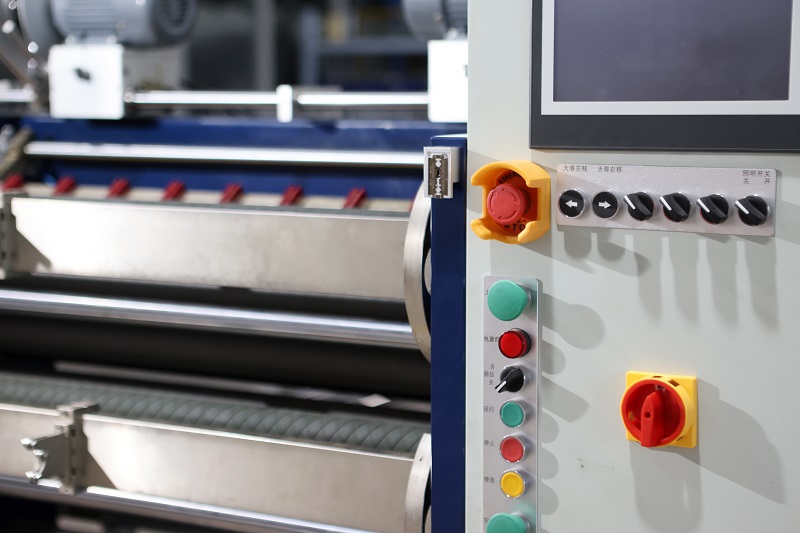
To understand some common structures of the slitting machine, we also have to be roughly clear about the structure, so let's talk about the common composition of the slitting machine.
1. Frame and transmission system: composed of wall plate and brace discharging machinery, the transmission system is mainly used to traction packaging materials, and the rubber roller is driven by a frequency conversion stepless motor, and when the slitting machine blade is driven by the active traction roller, the slitting processing is successfully completed, and the high-quality slitting machine blade can meet better slitting requirements;
2. Receiving mechanism and tension device: The receiving mechanism is mainly composed of synchronous belt, synchronous wheel, magnetic particle clutch, and inflatable shaft, which is used to change the tension of the receiving shaft;
3. Traction components: mainly composed of traction rubber rollers and aluminum rollers, which play a role in collecting raw materials for winding of finished products;
4. Slitting knife holder: The slitting knife holder has a slitting machine blade, and the shearing gap between the cutting edge of the round knife and the groove of the cushion sleeve is adjusted by the circular knife for a small amount of axial movement;
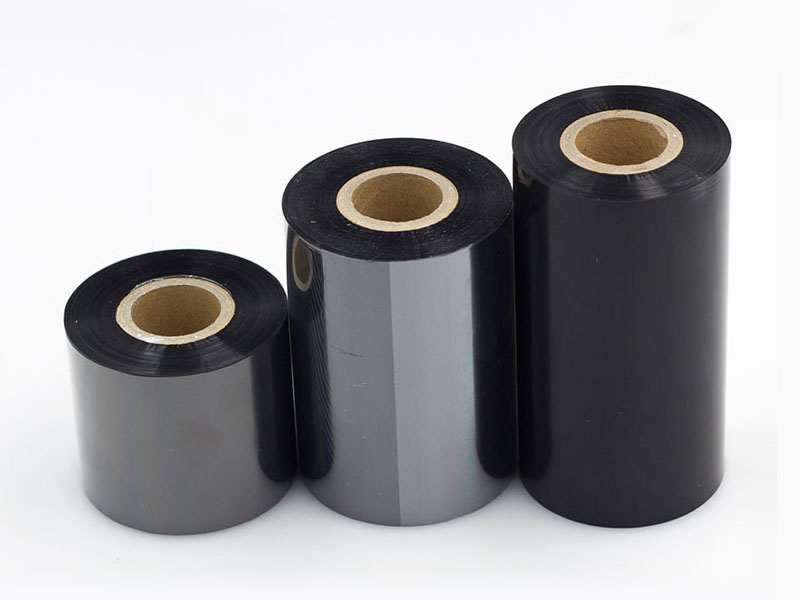
This guide explains what buyers need to know about each parameter—not just the numbers, but the practical implications for production quality, material compatibility, and total cost of ownership.
18. September, 2026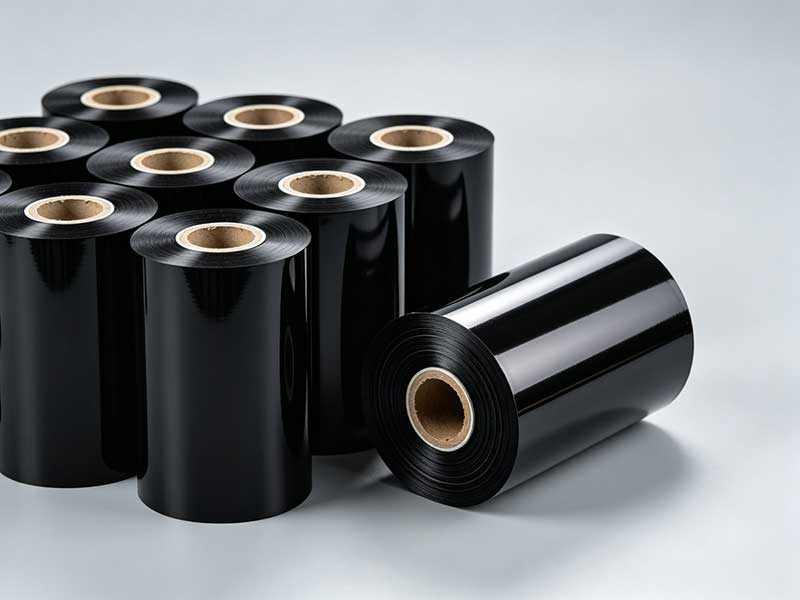
This guide distills the technical specifications and practical considerations that separate production-ready machines from costly mistakes.
18. September, 2026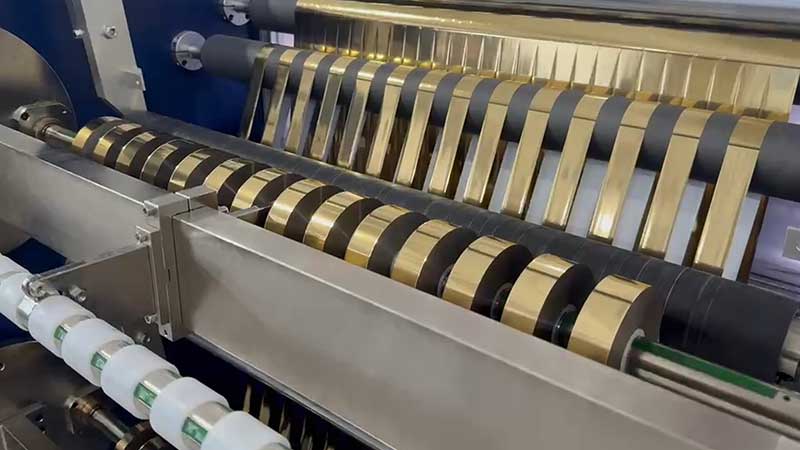
This guide breaks down the critical factors—from tension control to automation—to help you make an informed capital investment.
14. September, 2026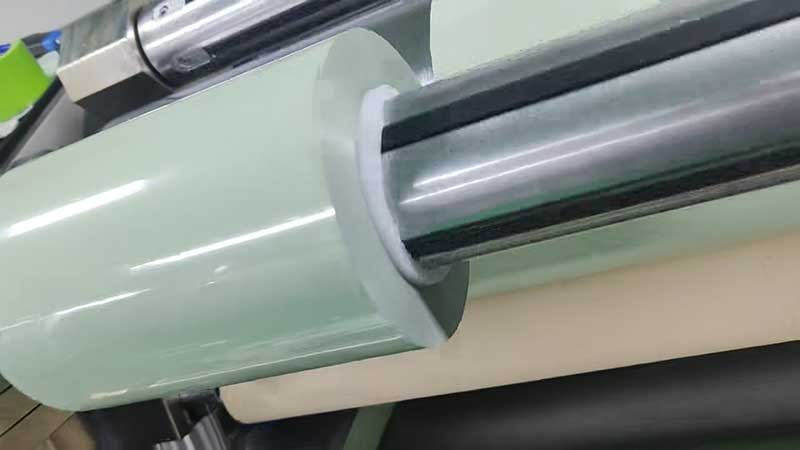
This article outlines a clear selection approach from four dimensions: material adaptation, core technical parameters, efficiency and cost, and supplier selection.
09. September, 2026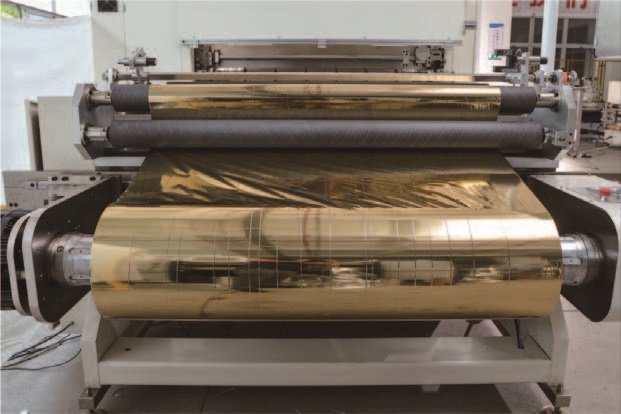
Avoiding foil breakage and wrinkling, the key lies in building a dynamically balanced micro-stress system.
08. September, 2026


 English
 Deutsch
 Français
 Español
 Português
 日本語
日本語 русский
 한국어
한국어 عربي
عربي ภาษาไทย
 Tiếng Việt
 Italiano