
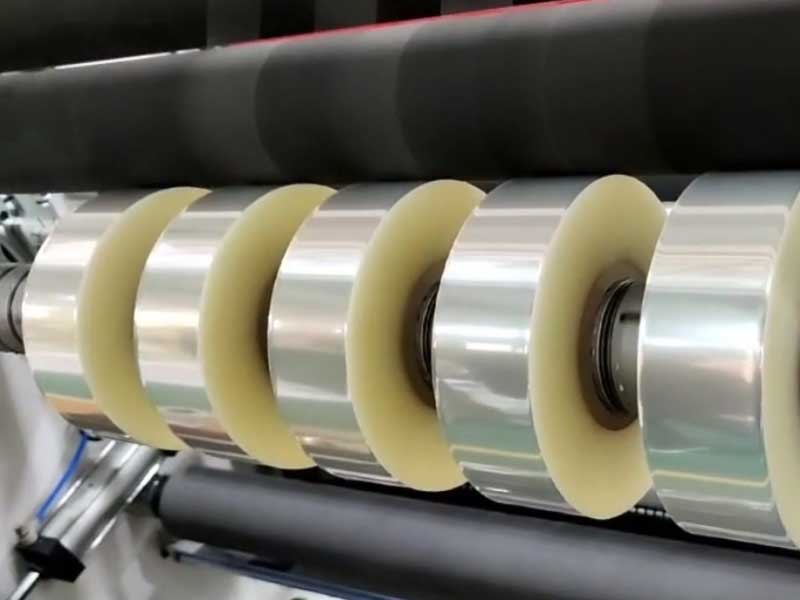
Slitters are very important equipment for the process industry, and they are used almost every day, and if they fail, they can hinder the production process and reduce production efficiency. Therefore, daily maintenance is a must, and the following points are summarized for reference, hoping to help you
First, the slitting machine is not evenly winded. Most of this situation is due to the fact that the paper core is not applicable, as long as the paper core that meets the required inner diameter is replaced, and the winding pressure roller is used in the winding process, the uneven winding of the slitting machine can also be avoided.
Second, the meter counting is not accurate. This kind of problem can be metered wheel, the two wheels at the same time contact the feeding rubber roller, and make a mark on the metering wheel, hand crank 5 times for the count, 1 meter, otherwise replace the meter.
Third, the trend of slitting and winding materials. This is mainly due to the incorrect winding tension, adjust the appropriate winding tension of the paper slitting machine, use a pressure roller for winding, and wrap the slitting material through the pressure roller before entering the winding paper core.
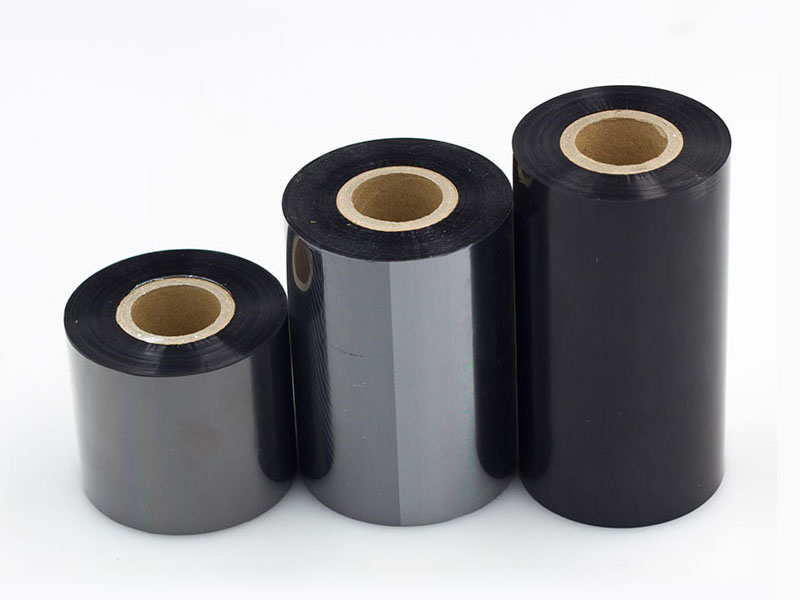
The value of the fully automatic ribbon slitting machine lies precisely in these two most basic criteria: precise cutting, minimal waste.
27. October, 2026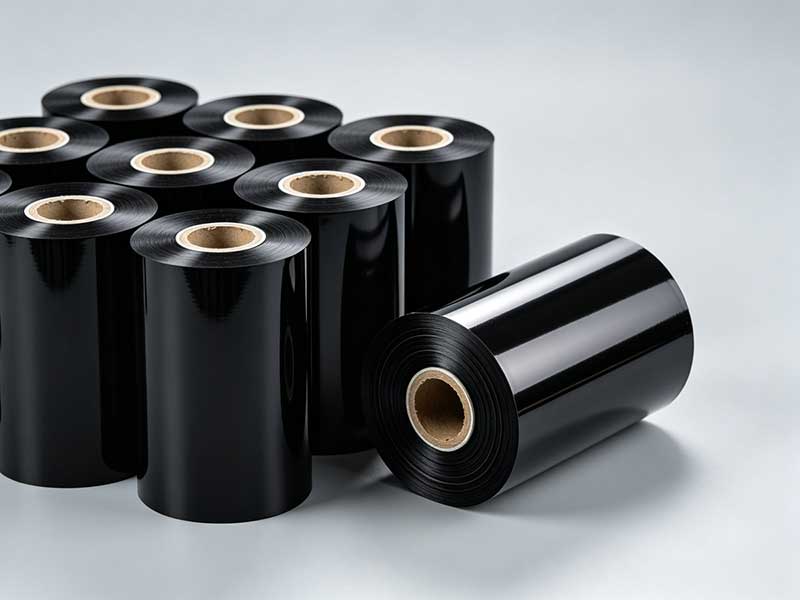
The widespread adoption of fully automatic ribbon slitting machines is changing this situation. Its core value can be summed up in six words: efficient, stable, and labor-saving.
22. October, 2026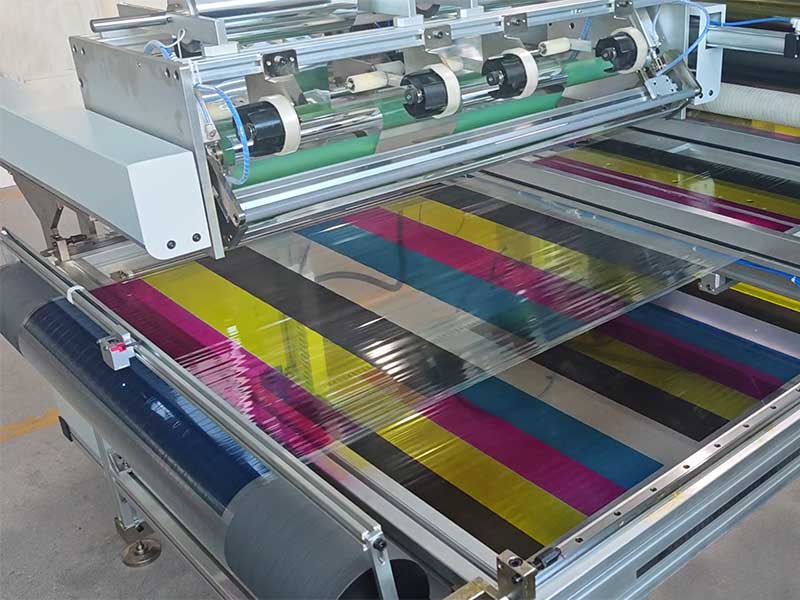
The color ribbon slitting machine is mainly used for wide roll slitting and rewinding of materials such as card printer color ribbons and thermal transfer ribbons.
21. October, 2026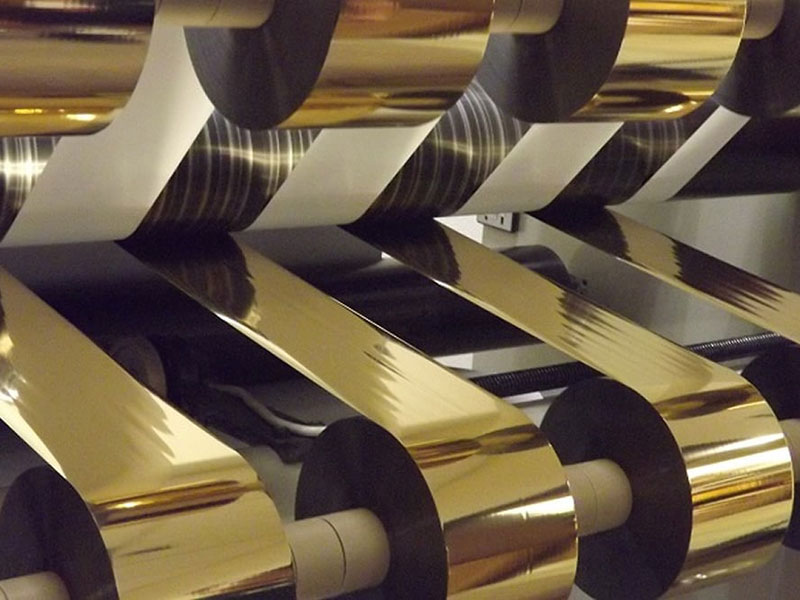
A mature automated system needs to form a closed loop simultaneously across four dimensions: correction, tension, cutting, and data management.
21. October, 2026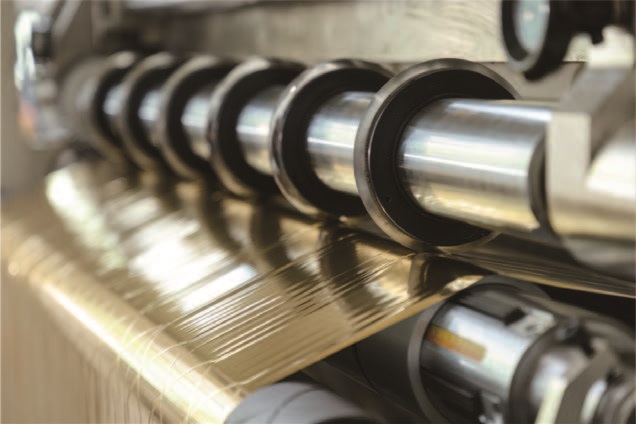
The value of customized slitting solutions lies in turning "cutting accurately, changing quickly, and no waste" from a slogan into a quantifiable production indicator.
21. October, 2026


 English
 Deutsch
 Français
 Español
 Português
 日本語
 русский
 한국어
 عربي
 ภาษาไทย
 Tiếng Việt
 Italiano