
1. Overview of the working principle of film slitting machine
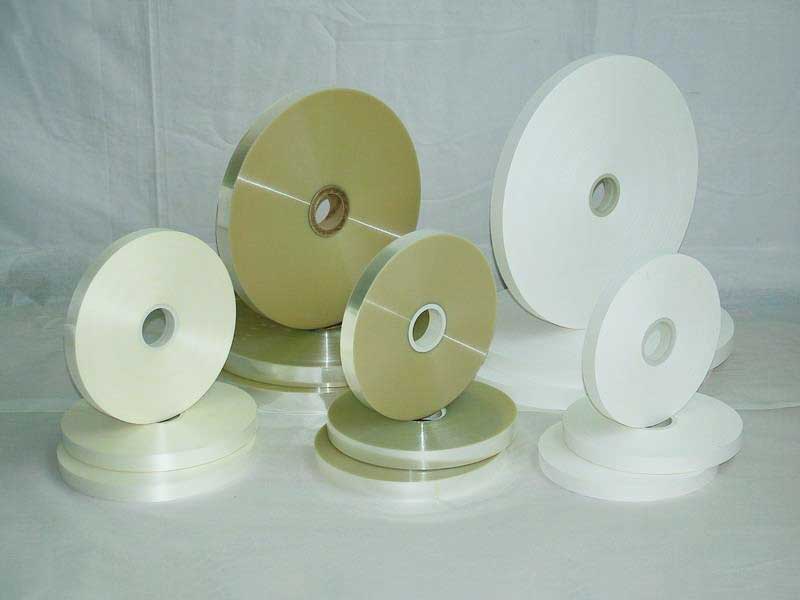
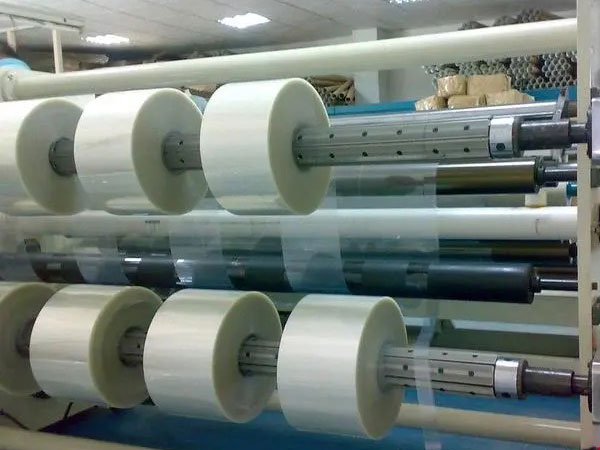
Film slitting machine is a key equipment for slitting wide film materials according to predetermined widths, widely used in packaging, electronics, medical and other industries. Its core working principles include:
1. Unwinding System: Release the raw material roll through tension control
2. Traction System: Precise control of film travel speed and position
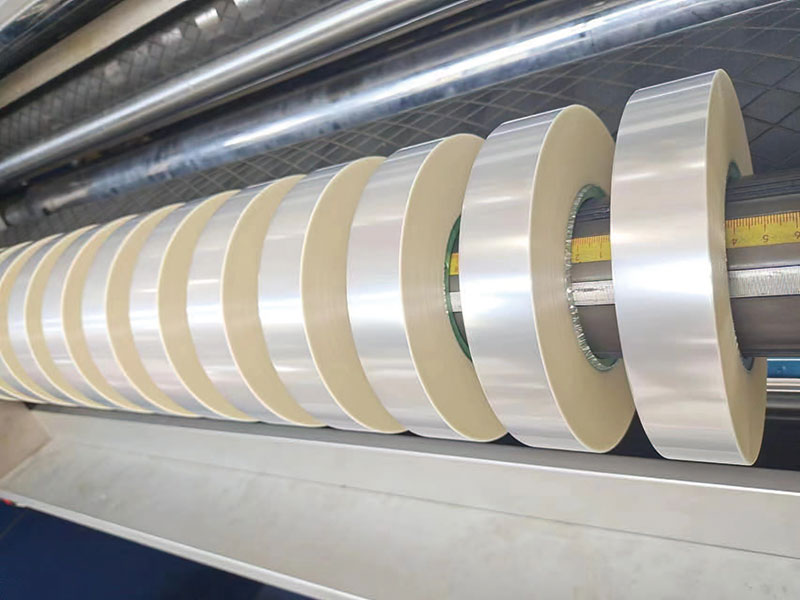
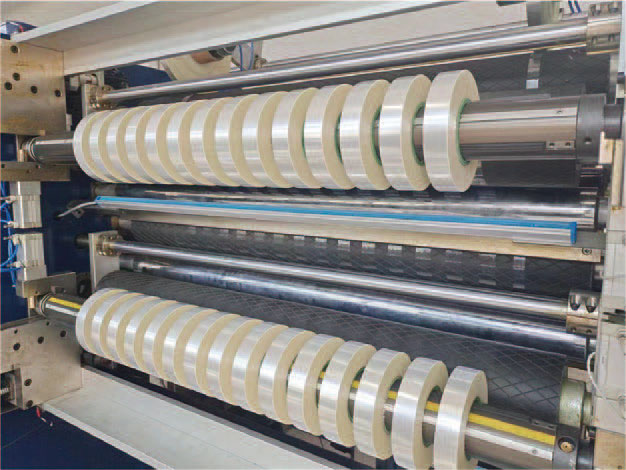
3. Slitting System: Employ circular knives or razors for high-precision slitting
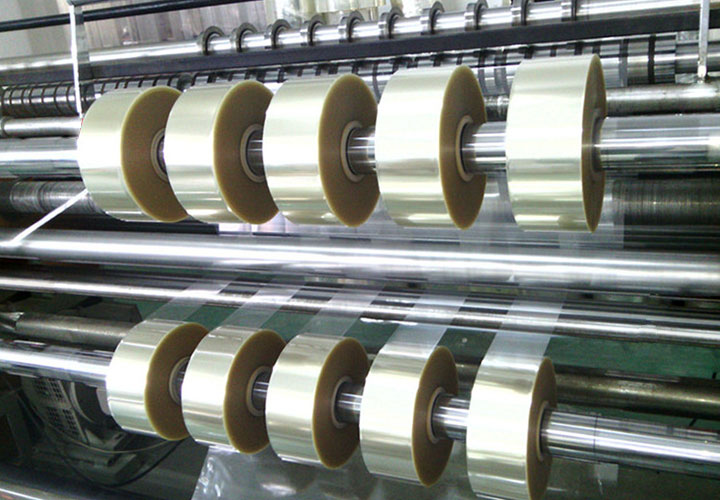
4. Winding System: Rewinding the slitted narrow strips into finished rolls
2. Automatic control system architecture
The automation control system of modern film slitting machines usually adopts a layered architecture:
1. Sensing layer
• Tension sensor
• Encoder (measuring speed and position)
• Thickness tester
• Edge position detection sensor
2. Control layer
• PLC (Programmable Logic Controller)
• Motion controllers
• Human-Machine Interface (HMI)
3. Executive layer
• Servo motors
• Pneumatic elements
• Hydraulic systems (some high-tension applications)
3. Application of key automation technologies
1. Tension control technology
• Closed-loop PID control algorithm is adopted
• Multi-stage tension taper control
• Dynamic compensation mechanism copes with acceleration and deceleration processes
2. High Precision Guidance System (EPC)
• Edge detection based on CCD or ultrasonic sensors
• Real-time position feedback and adjustments
• Adaptive control algorithms for different material properties
3. Intelligent slitting control
• Automatic tool pitch adjustment system
• Tool wear monitoring and compensation
• Vision system-based defect detection and marking
4. Efficiency improvement strategies and practices
1. Production optimization
• Automatic rewind change technology reduces downtime
• Intelligent scheduling system optimizes production sequence
• Remote monitoring and predictive maintenance
2. Process improvement
• Establishment and application of material property database
• Self-learning and optimization of process parameters
• Energy consumption monitoring and energy-saving control
3. Data-driven optimization
• Production data collection and analysis
• OEE (Overall Equipment Effectiveness) calculated in real time
• Big data-based process optimization recommendations
5. Implementation cases and effect evaluation
After the implementation of automation upgrades by a packaging material company:
• Slitting accuracy increased from ±0.3mm to ±0.1mm
• Reduced roll change time from 15 minutes to 3 minutes
• 42% reduction in material loss rate
• 35% increase in overall productivity
6. Future development trends
1. The application of digital twin technology realizes virtual debugging and optimization
2. In-depth application of AI algorithms in process parameter optimization
3. 5G+ industrial Internet to achieve remote intelligent operation and maintenance
4. Flexible production adapts to the needs of small batches and multiple varieties
Through systematic automation control and continuous efficiency optimization, film slitting machines are developing in the direction of higher precision, higher efficiency, and more intelligence, providing strong equipment support for the film processing industry.
This article outlines a clear selection approach from four dimensions: material adaptation, core technical parameters, efficiency and cost, and supplier selection.
09. September, 2026Balancing speed and precision in film slitting machines is essentially a test of "control capability."
02. September, 2026This article will delve into the current application status, core technologies, and development trends of this equipment in the new energy sector.
28. August, 2026the film slitting machine is the core equipment for slicing wide, large rolls into narrow rolls of specific specifications.
26. August, 2026Tension control technology for thin film slitting machines involves interdisciplinary integration of control theory, mechanical design, and material mechanics.
26. August, 2026


 English
 Deutsch
 Français
 Español
 Português
 日本語
日本語 русский
 한국어
한국어 عربي
عربي ภาษาไทย
 Tiếng Việt
 Italiano