
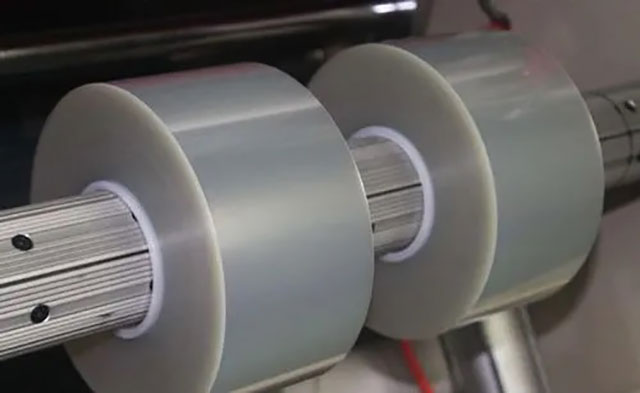
For the slitting machine, in the process of processing, the requirements for the process are very important, so generally speaking, what requirements do the processes of the slitting machine need to meet?
1. The control of the slitting machine is divided into two types: static and dynamic slitting: it stops precisely when the set length arrives, then the static slitting process, and restarts the operation after slitting; When the set length arrives, the slitting signal is sent without stopping, and the slitting machine dynamically slits and processes during the data movement.
2. The slitting machine should stop the fixed length slitting processing of the whole roll or the whole raw material, such as plastic packaging materials, packaging cartons, steel plates, films, leather, wood chips, etc.
3. The length of the slitting machine can be set continuously, if there is an error in the actual slitting length, it is easy to stop the calibration by setting the parameters.
4. The important performance index of the slitting machine is the slitting accuracy, and the length of the waste product has good divergence.
Therefore, in the production, the slitting machine needs to meet these process requirements, so as to ensure its good performance.
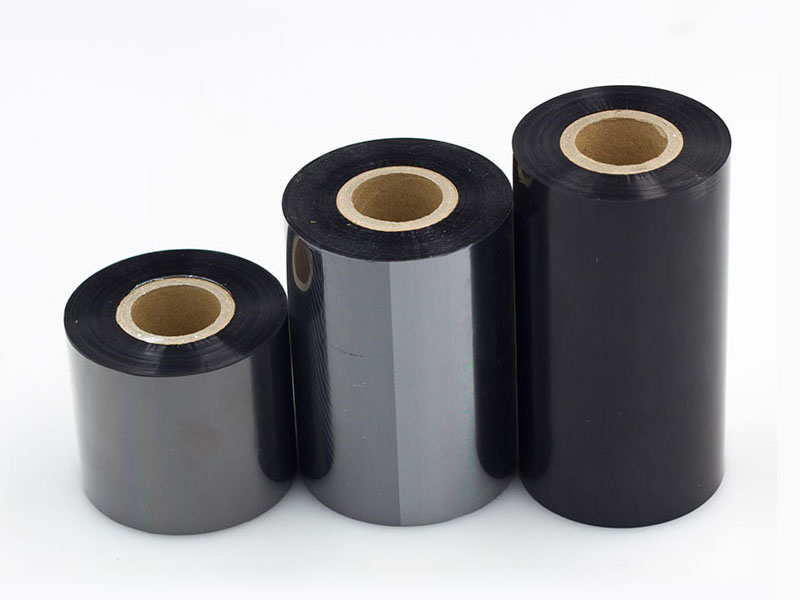
The value of the fully automatic ribbon slitting machine lies precisely in these two most basic criteria: precise cutting, minimal waste.
27. October, 2026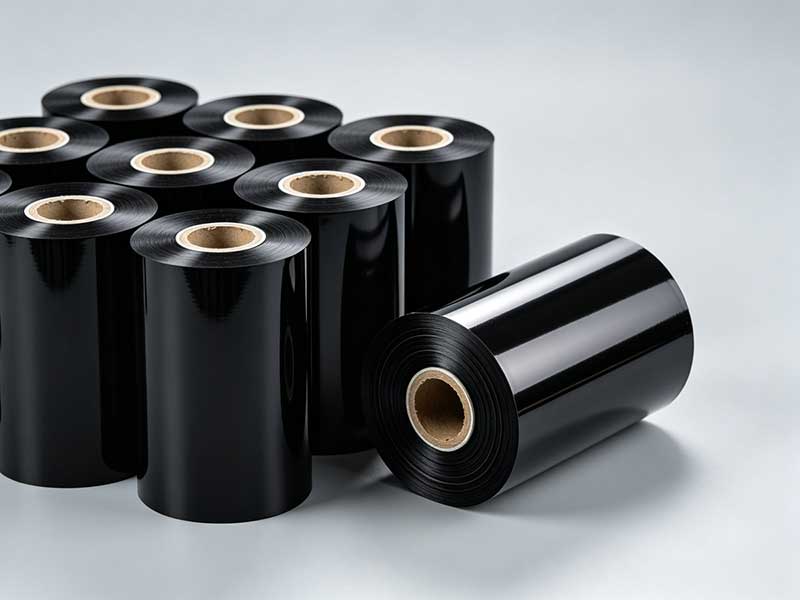
The widespread adoption of fully automatic ribbon slitting machines is changing this situation. Its core value can be summed up in six words: efficient, stable, and labor-saving.
22. October, 2026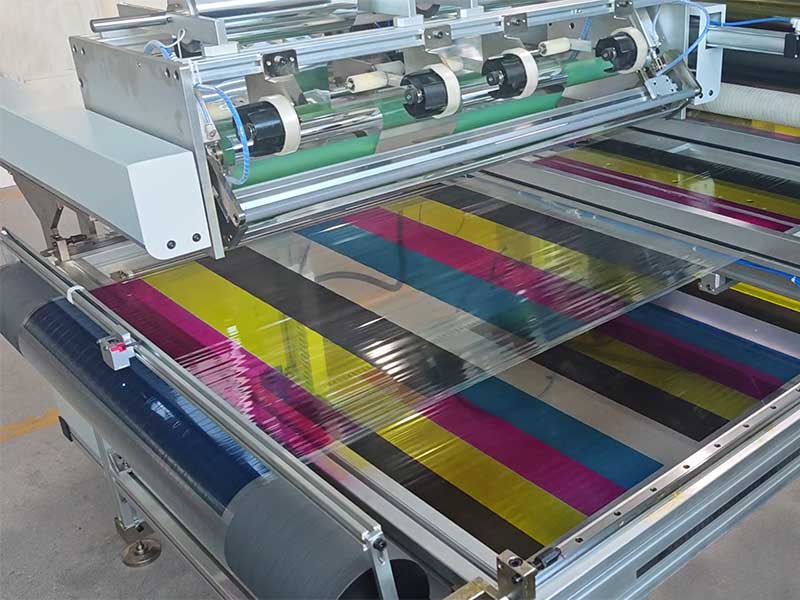
The color ribbon slitting machine is mainly used for wide roll slitting and rewinding of materials such as card printer color ribbons and thermal transfer ribbons.
21. October, 2026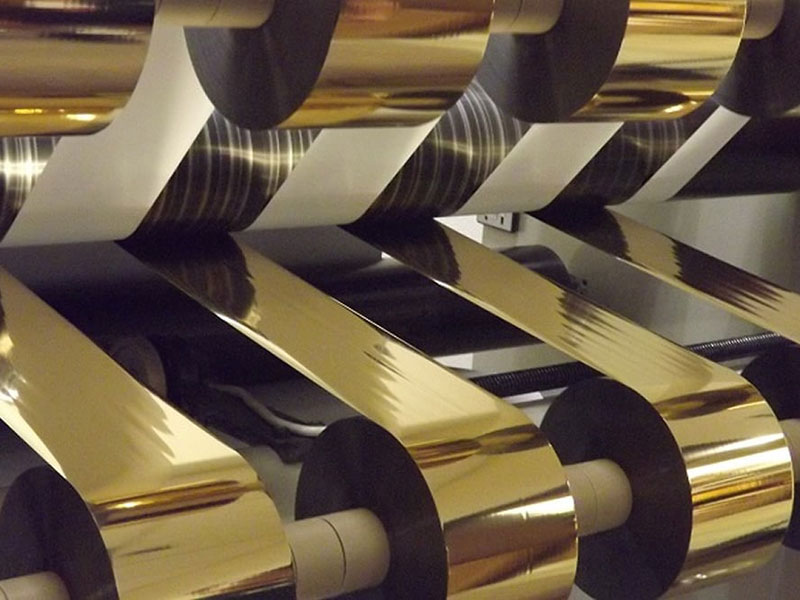
A mature automated system needs to form a closed loop simultaneously across four dimensions: correction, tension, cutting, and data management.
21. October, 2026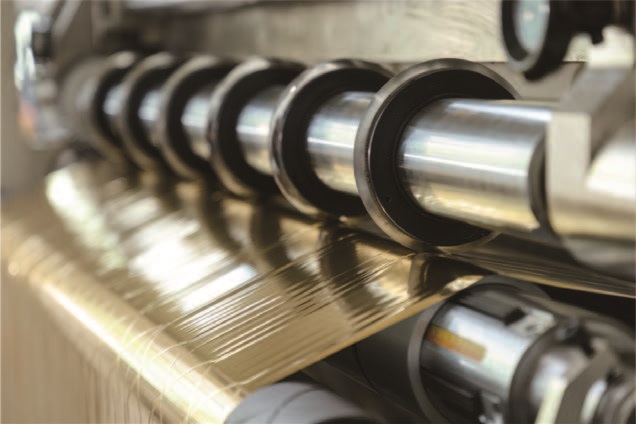
The value of customized slitting solutions lies in turning "cutting accurately, changing quickly, and no waste" from a slogan into a quantifiable production indicator.
21. October, 2026


 English
 Deutsch
 Français
 Español
 Português
 日本語
 русский
 한국어
 عربي
 ภาษาไทย
 Tiếng Việt
 Italiano