
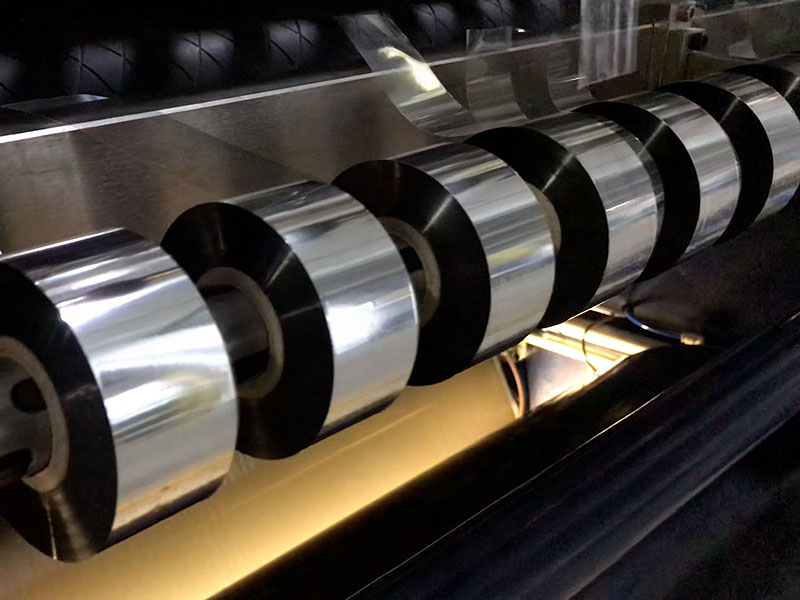
The slitter is able to sense and monitor the position, size, and shape of the material, and then adjust the movement of the cutting knife based on this information, ensuring a high degree of accuracy and consistency with every cut. Today we will take a look at the slitting machine that suits your production needs, and the following are the factors you can consider.
1. Material type and size: Determine the type of material to be processed (such as paper, plastic, metal, etc.) as well as its size and thickness range to ensure that the selected slitter can adapt to the required material.
2. Production volume: Determine the amount of material that needs to be processed per day/hour to select the slitting machine with appropriate specifications and capacity to ensure the matching of production efficiency and production demand.
3. Accuracy requirements: Determine the required cutting accuracy and size control to select the slitter model that can meet the accuracy requirements.
4. Degree of automation: According to the production process and the number of operators, determine the degree of automation required, including functions such as automatic feeding, automatic nesting and automatic adjustment.
5. Safety and reliability: Consider the safety performance and reliability of the slitting machine, including safety protection device, emergency stop button and other functions to ensure the safety of operators and equipment.
6. Maintenance and service: understand the maintenance needs of the slitting machine and the after-sales service support to ensure that the equipment can operate stably for a long time and solve possible problems in time.
Considering the above factors, you can choose a slitting machine that suits your own production needs to improve production efficiency and product quality.

When asking suppliers the following seven questions, the quality of the answers is far more valuable than the numbers on the parameter table.
21. September, 2026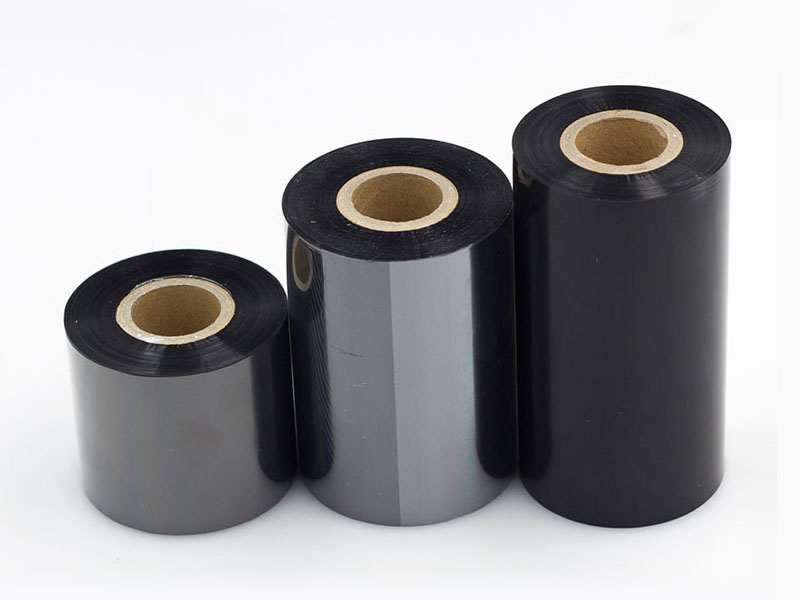
This guide explains what buyers need to know about each parameter—not just the numbers, but the practical implications for production quality, material compatibility, and total cost of ownership.
18. September, 2026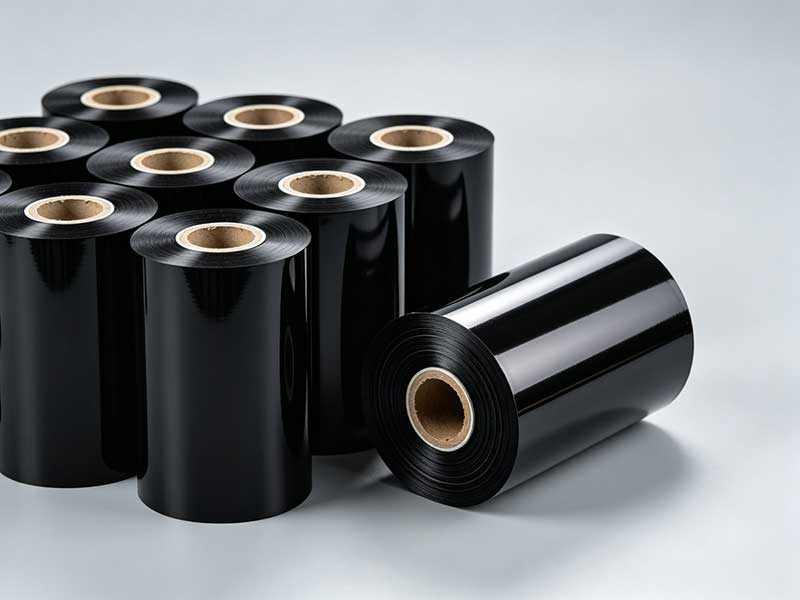
This guide distills the technical specifications and practical considerations that separate production-ready machines from costly mistakes.
18. September, 2026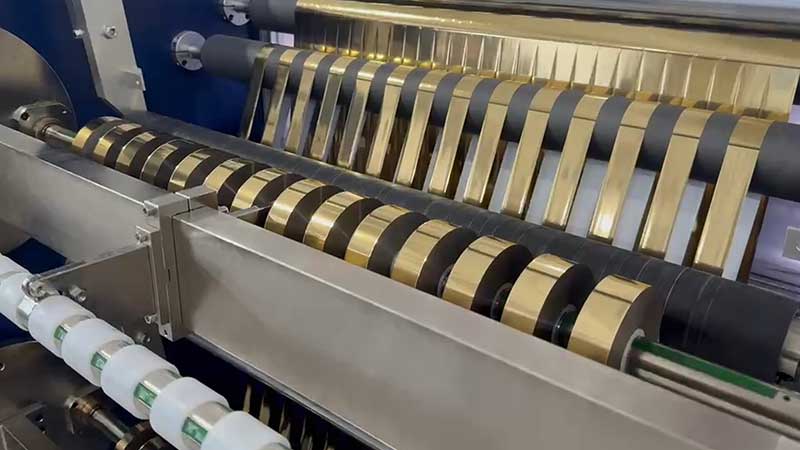
This guide breaks down the critical factors—from tension control to automation—to help you make an informed capital investment.
14. September, 2026
This article outlines a clear selection approach from four dimensions: material adaptation, core technical parameters, efficiency and cost, and supplier selection.
09. September, 2026


 English
 Deutsch
 Français
 Español
 Português
 日本語
日本語 русский
 한국어
한국어 عربي
عربي ภาษาไทย
 Tiếng Việt
 Italiano