
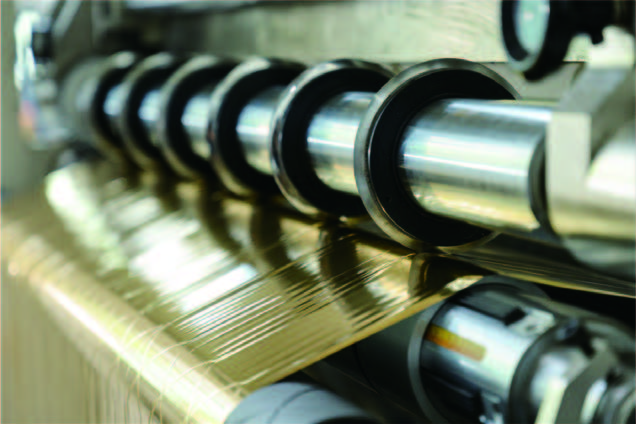
The cutting device of the slitting machine is a device used in industrial production, which is mainly used to cut raw materials or finished products into parts of the desired size or shape. Such units are commonly used in the processing and manufacturing industries, especially in the processing of materials such as paper, plastics, metals, and textiles. Today we will learn about the cutting device of the slitting machine.
The design of the slitter cutting unit will vary depending on the type of material being processed, the size requirements, and the production needs. In general, such a device consists of the following main parts:
1. Cutting knives: This is the key component used to cut materials, usually blades made of cemented carbide, steel, or other wear-resistant materials. The design and shape of the cutting tool will vary depending on the type of material being handled and the cutting requirements.
2. Transmission system: The transmission system is used to provide power and motion control to enable the cutting cutter to move along a predetermined path and cut the material. A drivetrain typically consists of components such as a motor, belt, or shaft.
3. Positioning system: The positioning system is used to ensure that the material maintains the correct position and orientation during the cutting process. This may include, for example, clamping devices, guide rails, or sensors.
4. Control system: The control system is used to monitor and adjust various parameters in the cutting process, such as cutting speed, pressure and tool position. These systems are usually implemented by a computer or a dedicated controller.
5. Safety device: Since cutting machines may involve high-speed moving parts and sharp knives, safety devices are essential to prevent accidents and protect the safety of operators.
The specific design and function of the slitter cutting unit will vary depending on the manufacturer and application. When selecting and operating such units, it is necessary to have a good understanding of the characteristics and cutting requirements of the materials being handled to ensure a safe and efficient production process.
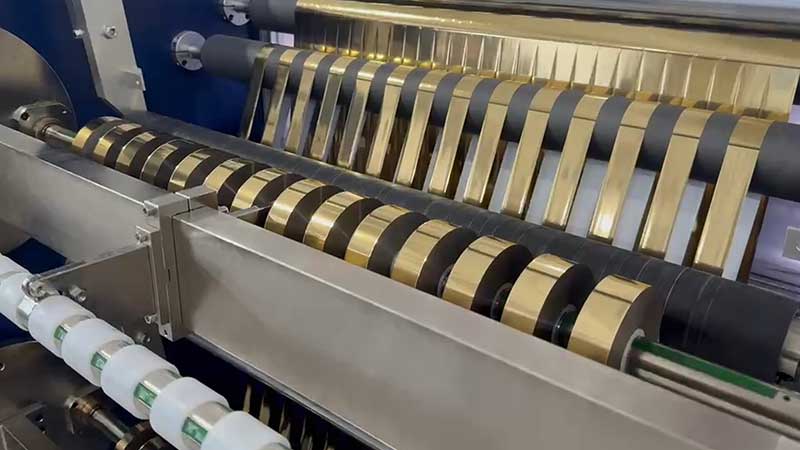
This guide breaks down the critical factors—from tension control to automation—to help you make an informed capital investment.
14. September, 2026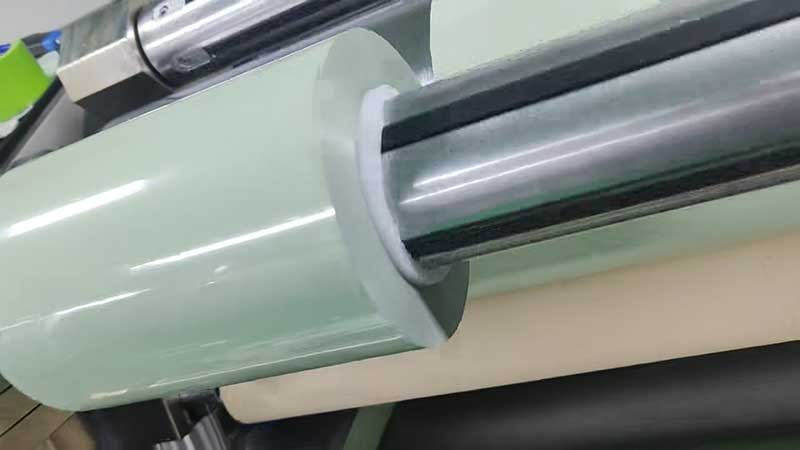
This article outlines a clear selection approach from four dimensions: material adaptation, core technical parameters, efficiency and cost, and supplier selection.
09. September, 2026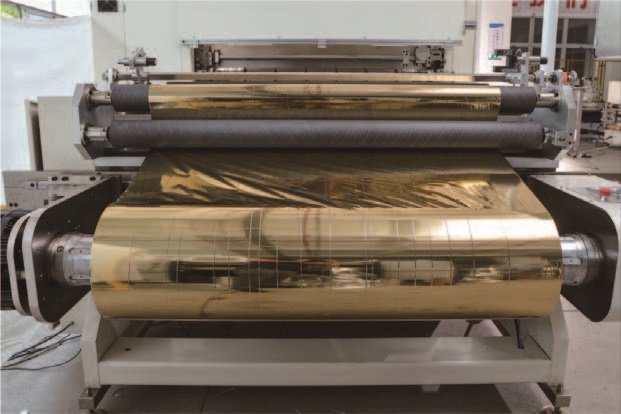
Avoiding foil breakage and wrinkling, the key lies in building a dynamically balanced micro-stress system.
08. September, 2026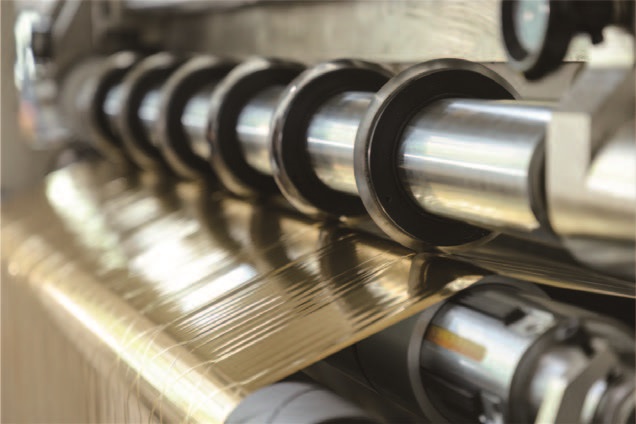
This article will systematically analyze solutions to burr and debris issues from four dimensions: tool systems, tension control, electrostatic and dust removal, and equipment precision.
08. September, 2026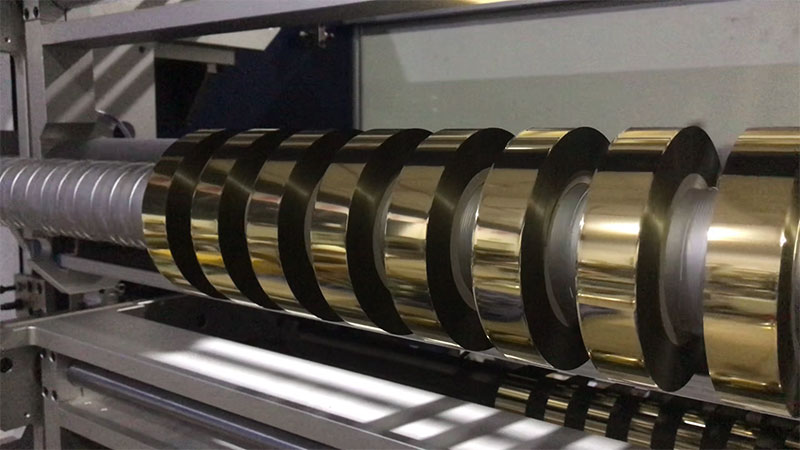
The core principle for selecting a knife is: let the blade "cut" the foil, rather than "tear" or "squeeze through."
08. September, 2026


 English
 Deutsch
 Français
 Español
 Português
 日本語
日本語 русский
 한국어
한국어 عربي
عربي ภาษาไทย
 Tiếng Việt
 Italiano