
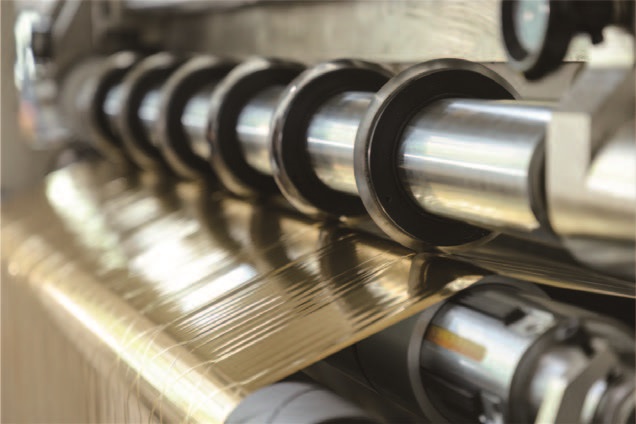
There are significant differences between slitting machines, rewinding machines, and cutting machines in terms of functions, uses, and working principles. Here's a detailed comparison of the three:
What is the difference between the slitting machine, rewinding machine, and cutting machine
First, Functional differences
1. Slitting Machine:
• Mainly used to cut wide rolls into multiple rolls of narrow material.
• Commonly used for horizontal or longitudinal slitting of plastic film, paper, metal foil and other materials.
• With precise cutting ability and high efficiency, the production speed can be greatly improved.
• Usually equipped with a tension control system, which can ensure that the material maintains a stable tension during the cutting process, so as to obtain better cutting results.
2. Rewinder:
• Mainly used to rewind large rolls of material into smaller rolls or change their width.
• Suitable for processing rolls such as film, paper, and tape.
• With efficient rewinding capacity and high-precision take-up control, it can ensure the tightness and uniformity of the reel.
• The material can also be embossed, punched and other processing to meet different use needs.
3. Cutter:
• It is a device that uses mechanical force or energy to make cuts.
• A knife or beam of light that exerts force or energy on a material to fracture or melt it for the purpose of cutting.
• Common cutting machines include mechanical cutting machines, oxygen cutting machines, laser cutting machines, etc., which are suitable for cutting needs of different materials and shapes.
Second, the difference in use
1. Slitting Machine:
• Commonly used in automated production lines for continuous cutting of coils.
• Can cut a wide range of coil sizes, suitable for processing thinner and softer materials.
2. Rewinder:
• Commonly used in finished product barcode printing, secondary processing and other links.
• Usually only suitable for coils of a certain width and thickness, and is more suitable for processing coils with larger coil diameters and harder materials.
3. Cutter:
• Widely used in metal processing, wood processing, stone processing, plastic processing and other fields.
• High-precision cutting can be achieved to meet the needs of different industries and processes.
Third, the difference in working principle
1. Slitting Machine:
• It is composed of unwinding mechanism, cutting mechanism, winding mechanism, various functional rollers, tension control, deviation correction control and detection device.
• After a series of treatments, the coiled material released from the unwinding mechanism enters the cutting mechanism, which slits it, and then winds it into a coil that meets the standard by the winding mechanism.
2. Rewinder:
• It usually includes components such as belt roller device, rear bottom roller, paper roller device, core device, unloading table, etc.
• By the rotation of the belt roller device and the pressure of the paper roller, the large roll is rewound into small rolls or its width is changed.
3. Cutter:
• Depending on the different types of cutting machines, their working principle is different.
• Mechanical cutting machine uses the cutter to generate shear force on the surface of the workpiece for cutting; The oxygen cutting machine uses oxygen to react with the workpiece metal at high temperature, melt and produce a large amount of oxide to break the workpiece; The laser cutting machine uses a high-energy laser beam to melt or volatilize the surface of the workpiece to achieve the cutting process.
To sum up, there are significant differences in function, use and working principle between slitting machine, rewinding machine and cutting machine. The choice of equipment depends on factors such as production needs, process requirements, and budget.
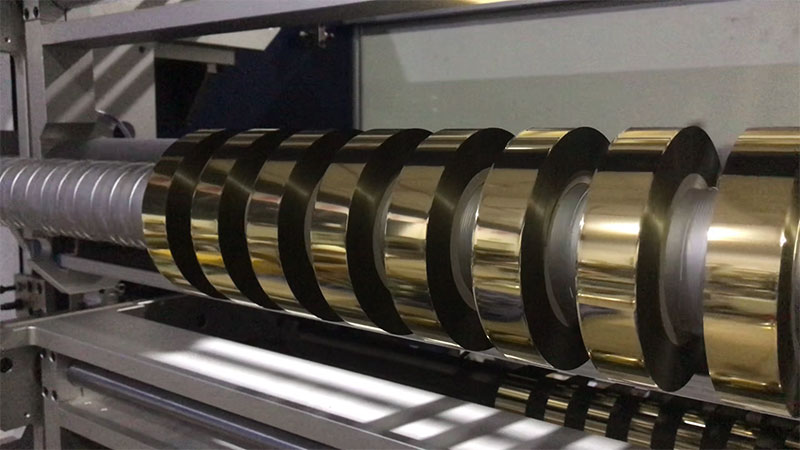
Width determines the rigidity and correction accuracy of the equipment's structure, while speed tests the real-time responsiveness of tension control.
24. September, 2026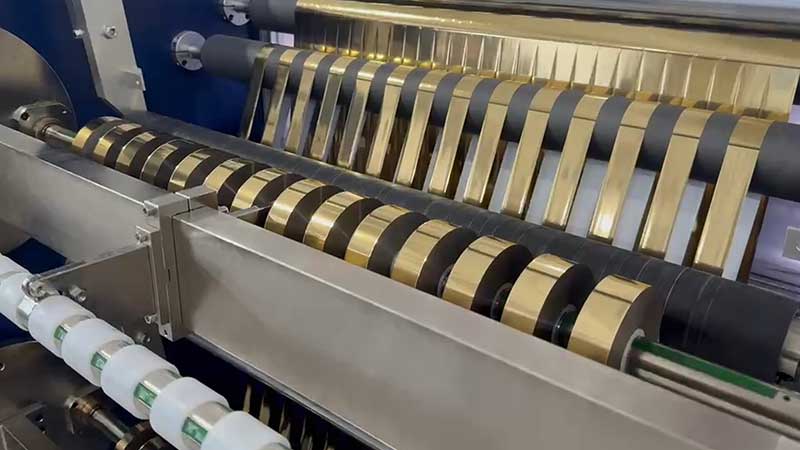
This article provides a current selection framework from four dimensions: material adaptation, core parameters, intelligent configuration, and cost evaluation.
24. September, 2026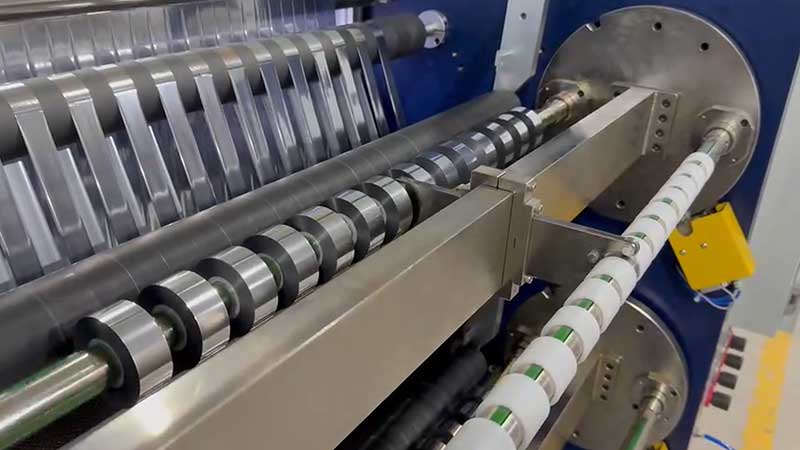
Faced with the wide variety of promotions in the market, buyers only need to focus on five core dimensions to avoid most pitfalls.
24. September, 2026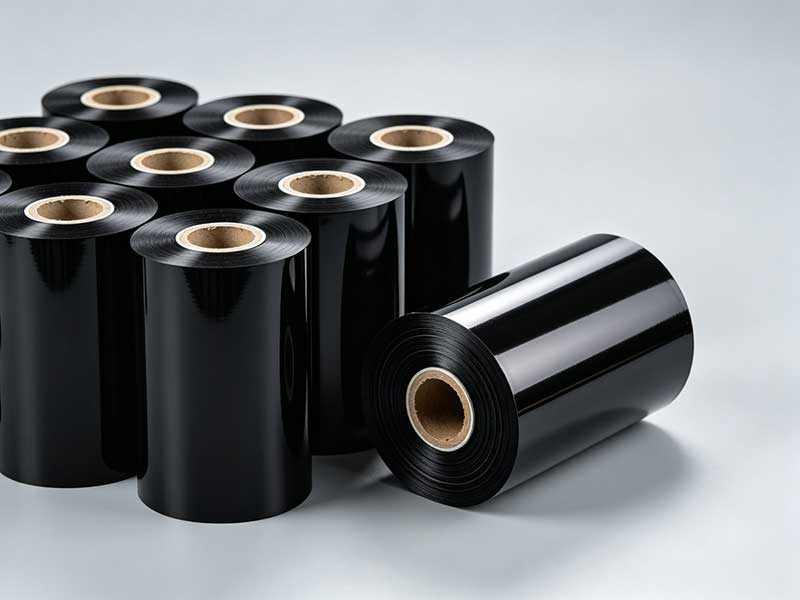
The first watershed in choosing a model isn't speed or brand, but rather — which type of ribbon do you mainly cut?
23. September, 2026
When asking suppliers the following seven questions, the quality of the answers is far more valuable than the numbers on the parameter table.
21. September, 2026


 English
 Deutsch
 Français
 Español
 Português
 日本語
日本語 русский
 한국어
한국어 عربي
عربي ภาษาไทย
 Tiếng Việt
 Italiano