
As a key equipment in papermaking, printing, packaging and other industries, the stable operation of the slitting machine depends on the integrity of each component. In long-term use, the following components are susceptible to wear and tear, and these parts are often considered to be consumables for slitters:
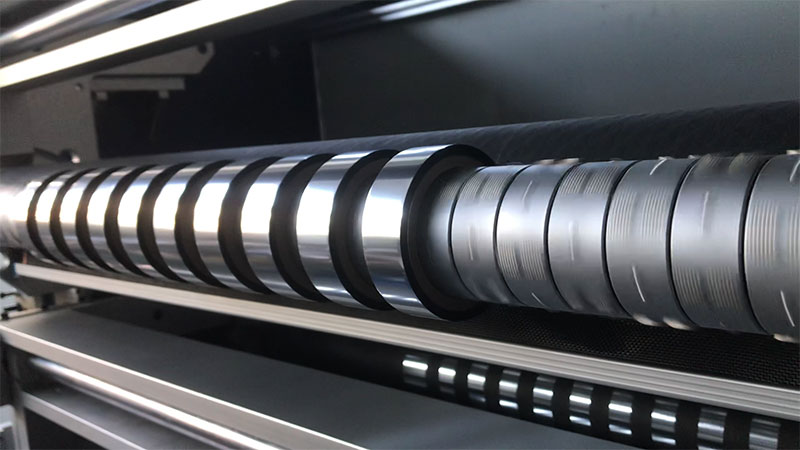
1. Blade: the core component of the slitting machine, which is in direct contact with the material to be cut, and the material is cut by physical shearing. Due to long-term friction and impact with various materials, blades are one of the most susceptible components to wear.
2. Knife shaft/tool pocket: The blade is mounted on the tool shaft or tool pocket, and these parts can also be worn out due to long-term use. In particular, if the accuracy of the knife shaft decreases, it will directly affect the accuracy of the cut.
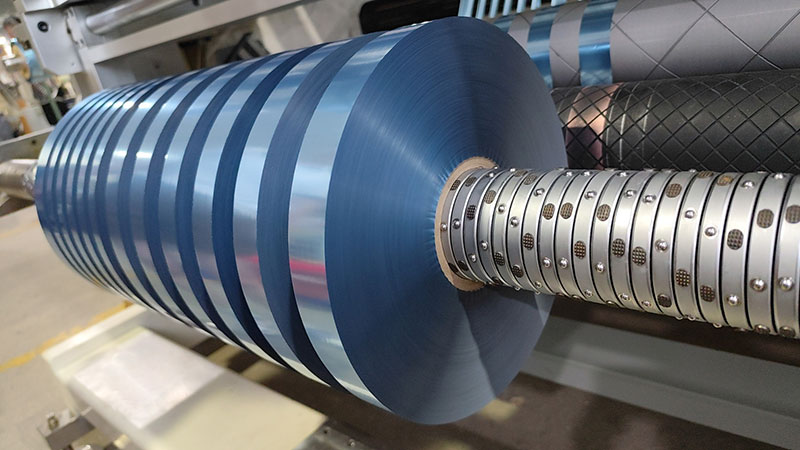
3. Guide roller: used to guide the material into the cutting position to ensure the accuracy of cutting. Due to long-term friction with the material, the surface of the guide roller is prone to wear.
4. Pressure roller: It is used to fix the cut material in the cutting position to ensure the stability of cutting. The surface of the roller is also subject to wear and tear over time.
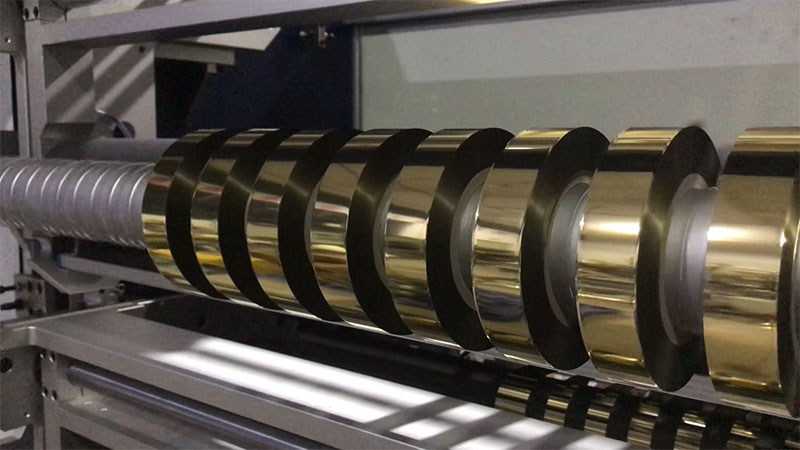
5. Transmission belt/chain: Many slitting machines use transmission belts or chains to transmit power. These parts are prone to slack, wear and tear after a long period of operation.
6. Bearings: Many parts of the slitting machine need bearings to support the rotation, such as cutter shafts, guide rollers, etc. Bearings will wear out after long-term use, which will affect the normal operation of the equipment.
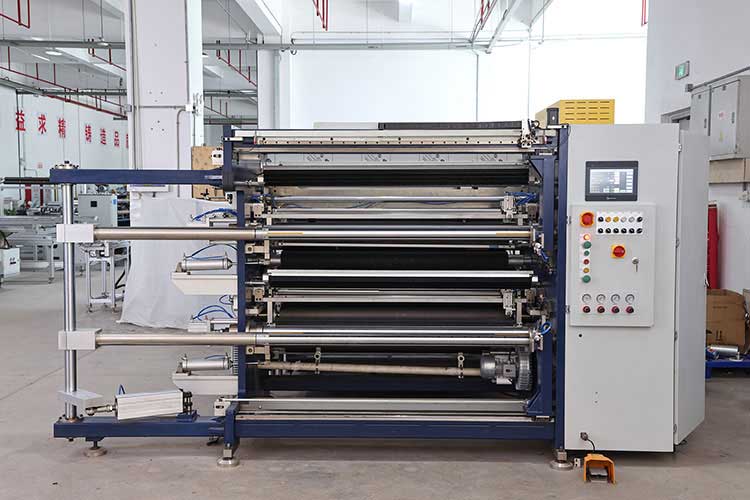
7. Electrical components: such as switches, relays, contactors, etc., are prone to damage due to frequent operation or current impact.
In addition, depending on the specific equipment model and use environment, there may be some other wearing parts, such as cork belts, belts, rewinding and unwinding chuck heads, etc. The quality and performance of these consumables have a significant impact on the operating efficiency and cutting quality of the slitter.
Therefore, in order to ensure the stable operation and prolong the service life of the slitter, it is recommended to check and replace these wearing parts regularly, and at the same time choose reliable suppliers and high-quality accessories. In addition, the daily maintenance and maintenance of the equipment, such as cleaning, lubrication, etc., should also be strengthened to reduce the wear and failure rate of wearing parts.
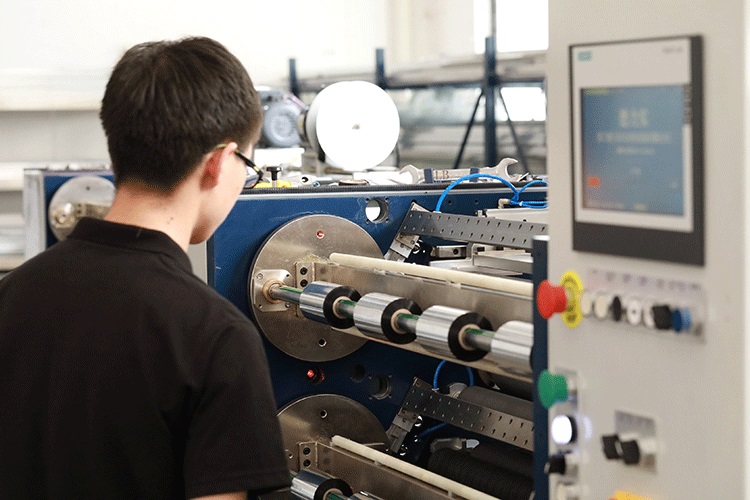
no need to buy a dedicated machine or gamble on a mismatched machine just because of a rushed resin-based washing order.
16. November, 2026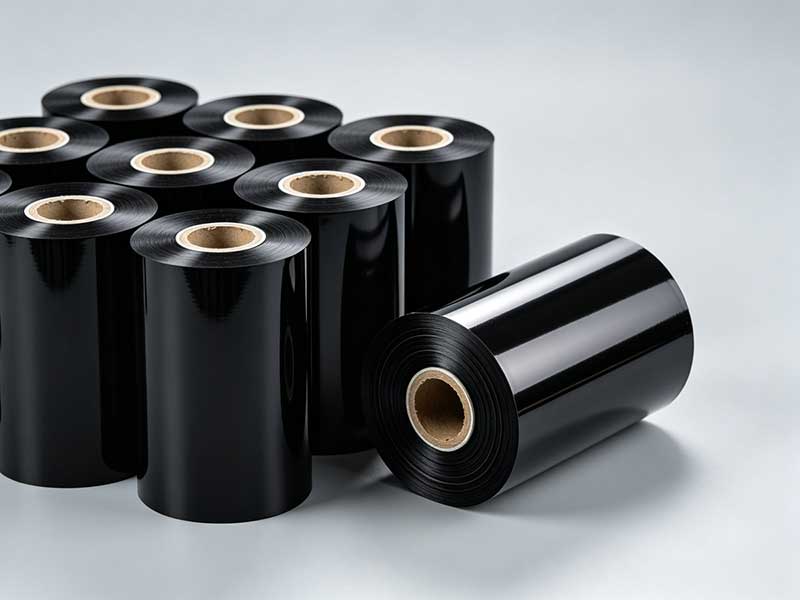
This article will start from symptom classification and provide a solution approach that progresses from simple to complex and can be quickly implemented.
16. November, 2026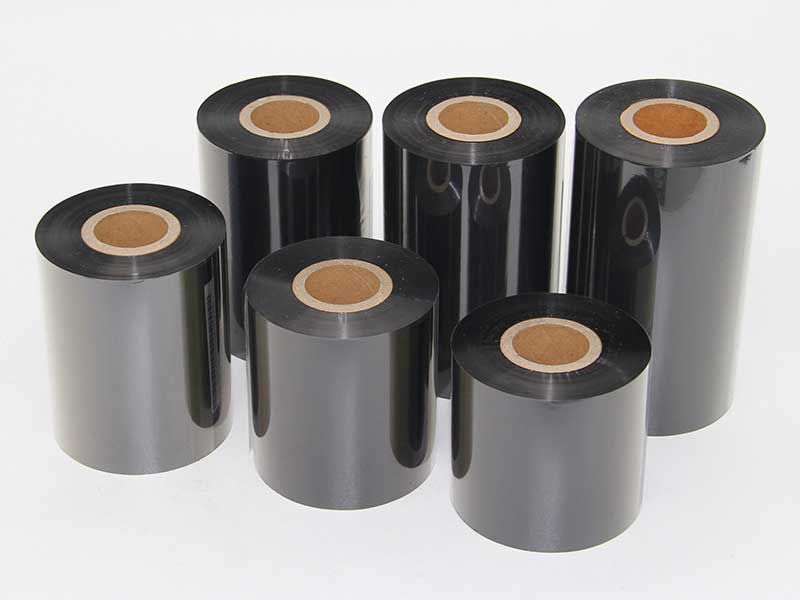
As a result, a well-calibrated high-precision ribbon slitting machine can stabilize width tolerances within ±0.05mm, and reduce the defect rate from 2% to 3% of ordinary equipment to below 0.3%.
16. November, 2026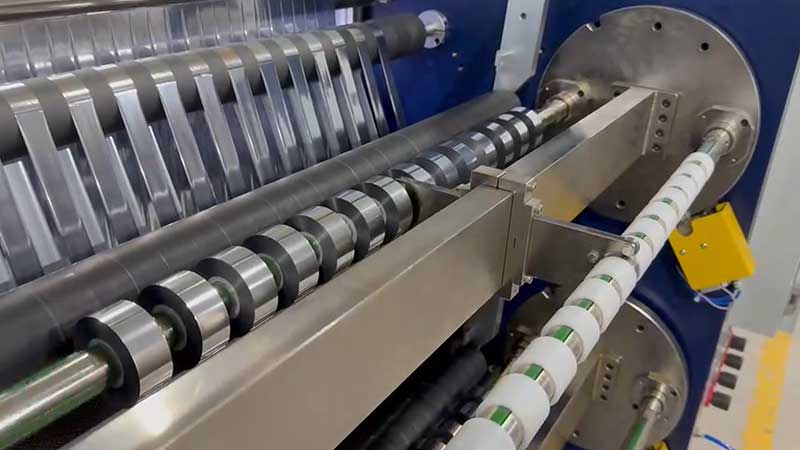
accuracy indicators will move from macro to micro, control logic will shift from experience to algorithms, and equipment roles will move from isolated islands to nodes.
10. November, 2026The following three application cases reveal the efficiency revolution currently underway in this area.
09. November, 2026


 English
 Deutsch
 Français
 Español
 Português
 日本語
 русский
 한국어
 عربي
 ภาษาไทย
 Tiếng Việt
 Italiano