
The high-precision ribbon slitting machine is a key equipment in label production, and its core function directly affects the slitting quality, production efficiency and terminal printing effect of the ribbon (thermal transfer ribbon). Here are five core features and how they contribute to label productivity:
1. Micron-level slitting precision control
• Functional implementation:
◦ Highly rigid linear guide (e.g., THK brand) ± 1 μm repeatability with diamond-coated tools (edge roughness ≤ 0.05 μm).
◦ The laser rangefinder monitors the slitting width in real time (e.g., 12 μm ribbon slitting error ≤± 2 μm).
• Efficiency Improvement:
◦ Avoid secondary trimming and reduce material waste (the yield rate is increased to more than 99.5%).
◦ Directly adapts to high-precision printers (such as Zebra ZT410) to reduce the risk of print breakage.
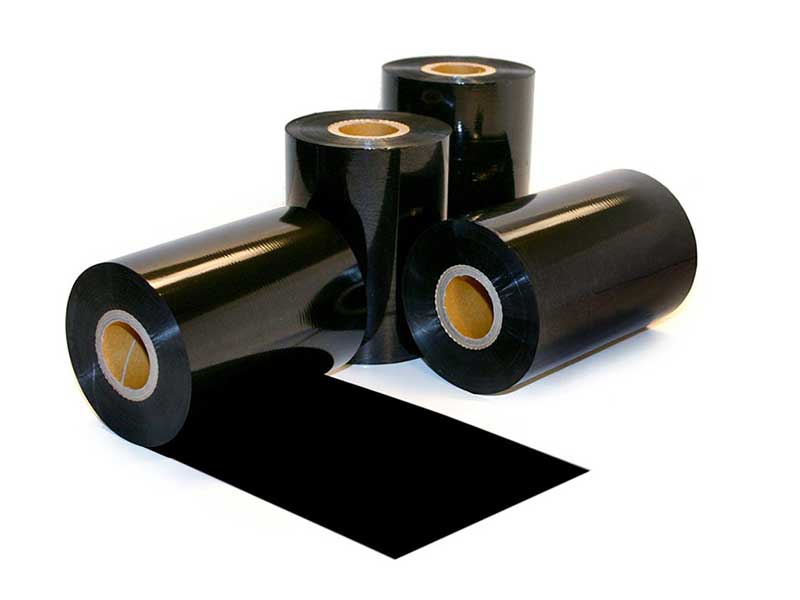
2. Intelligent tension control system
• Functional implementation:
◦ Full closed-loop PID control (such as Mitsubishi PLC + servo drive), tension fluctuation < 0.3N.
◦ Segmented tension adjustment: unwinding (3~5N), → slitting area (1~2N), → winding (4~6N).
• Efficiency Improvement:
◦ Prevent the ribbon from stretching and deforming (elongation < 0.1%), and ensure that the coil is smooth and wrinkle-free after slitting.
◦ The maximum slitting speed can reach 80m/min (only 30m/min for conventional equipment).
3. Dynamic guiding aligns with the web material
• Functional implementation:
◦ CCD visual inspection + pneumatic EPC correction (response time<10ms, correction accuracy±0.1mm).
◦ Ultrasonic sensors detect the edge of the web.
• Efficiency Improvement:
◦ Reduce manual intervention (60% increase in automation) and support 24-hour continuous production.
◦ Avoid rejection caused by slitting misalignment (rejection rate < 0.2%).
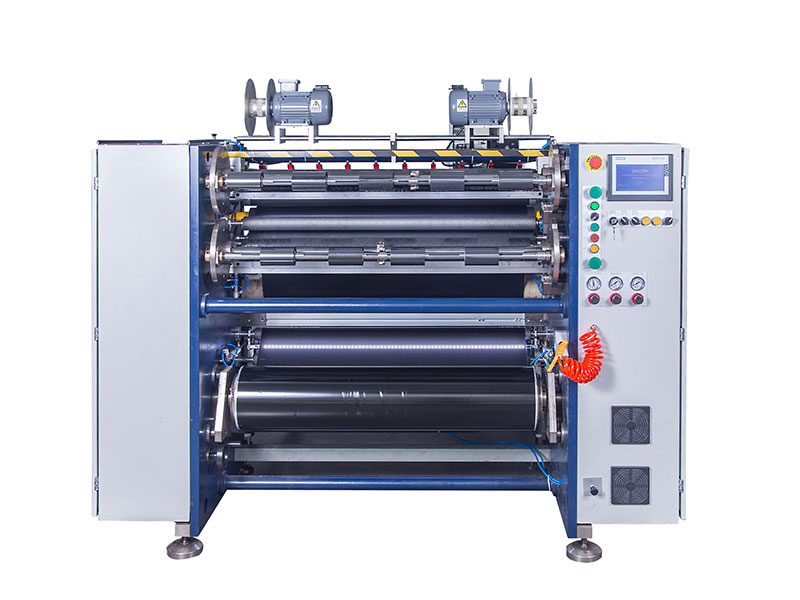
4. Multi-axis synchronous slitting technology
• Functional implementation:
◦ Servo motor direct drive slitting axis (such as Yaskawa Σ-7 series), synchronization accuracy ± 0.005°.
◦ Support "1 knife multiple cut" mode (e.g. slitting 10 6mm narrow strips at the same time).
• Efficiency Improvement:
◦ The efficiency of single slitting is increased by 3~5 times (traditional single-axis slitting requires multiple repetitions).
◦ Suitable for quick changeover of multi-specification orders (changeover time< 5 minutes).
5. Intelligent quality monitoring and traceability
• Functional implementation:
◦ In-line defect detection (e.g. pinholes in substrates, uneven coatings) via infrared sensors (accuracy 0.1mm²).
◦ QR code/RFID tag records slitting parameters (pressure, speed, tension, etc.).
• Efficiency Improvement:
◦ Real-time rejection of defective products (detection response time< 0.1 seconds).
◦ Data traceability shortens troubleshooting time (maintenance efficiency increases by 40%).
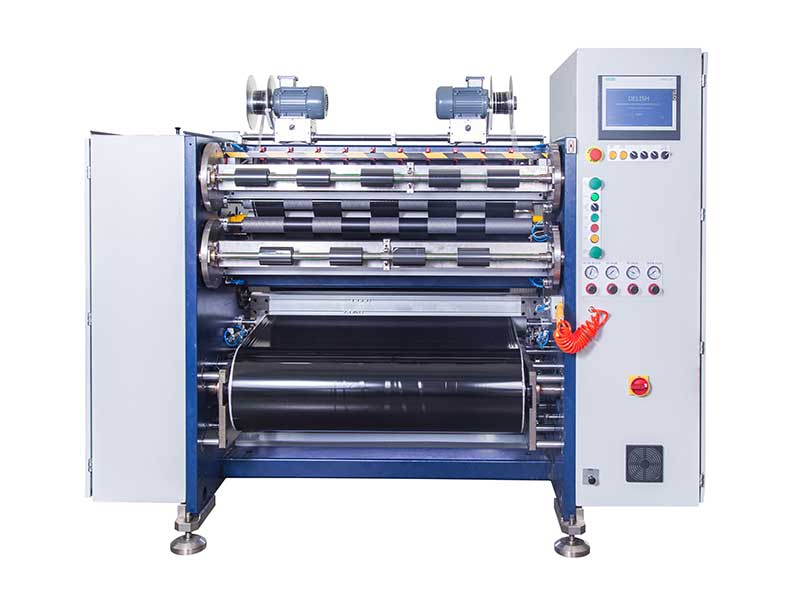
Comparison of actual production benefits
Application scenarios
| index | Traditional slitting machine | High-precision slitting machine | Lift |
| Slitting accuracy | ±10μm | ±2μm | 80%↑ |
| Maximum speed | 30m/min | 80m/min | 167%↑ |
| Changeover time | 30 minutes | 5 minutes | 83%↓ |
| Material loss rate | 3% | 0.5% | 83%↓ |
• Narrow Label: Medical Label (1~3mm width slitting without burr).
• High-speed production: e-commerce logistics labels (daily output increased to 500,000 meters).
• Special materials: high-temperature resistant ribbon (temperature control ≤ 40°C during slitting).
Through these five core functions, the high-precision ribbon slitting machine can significantly reduce the overall production cost (about 15%~20%), and at the same time meet the requirements of ISO 9001 and UL certification for slitting quality. It is recommended to choose a model with AI parameter self-learning function to further adapt to the needs of flexible production.
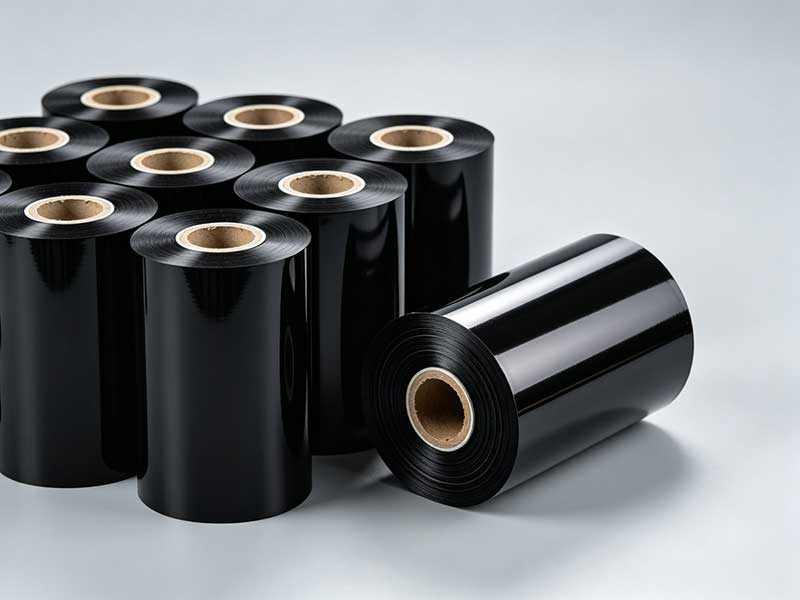
The first watershed in choosing a model isn't speed or brand, but rather — which type of ribbon do you mainly cut?
23. September, 2026
When asking suppliers the following seven questions, the quality of the answers is far more valuable than the numbers on the parameter table.
21. September, 2026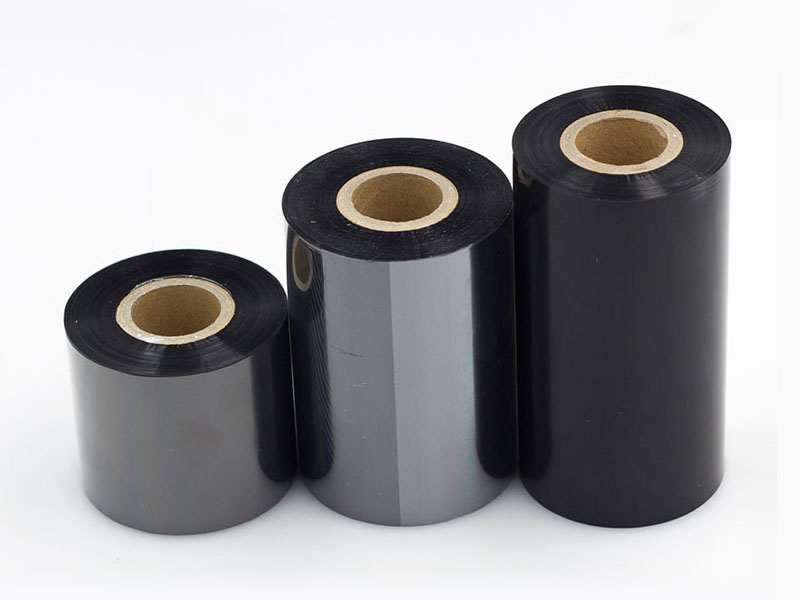
This guide explains what buyers need to know about each parameter—not just the numbers, but the practical implications for production quality, material compatibility, and total cost of ownership.
18. September, 2026This guide distills the technical specifications and practical considerations that separate production-ready machines from costly mistakes.
18. September, 2026Only a slitting machine that can withstand real-world testing can truly save you peace and improve efficiency.
07. September, 2026


 English
 Deutsch
 Français
 Español
 Português
 日本語
日本語 русский
 한국어
한국어 عربي
عربي ภาษาไทย
 Tiếng Việt
 Italiano