
Preparation before operation
1. Check the material: Make sure that the gold foil coil is free of creases and pollution, and the edge of the coil is neat
2. Equipment inspection: confirm the sharpness of the slitting blade and check whether the air pressure system is normal
3. Environmental control: keep the working environment clean, with appropriate temperature and humidity (recommended temperature 20-25°C, humidity 40-60%)
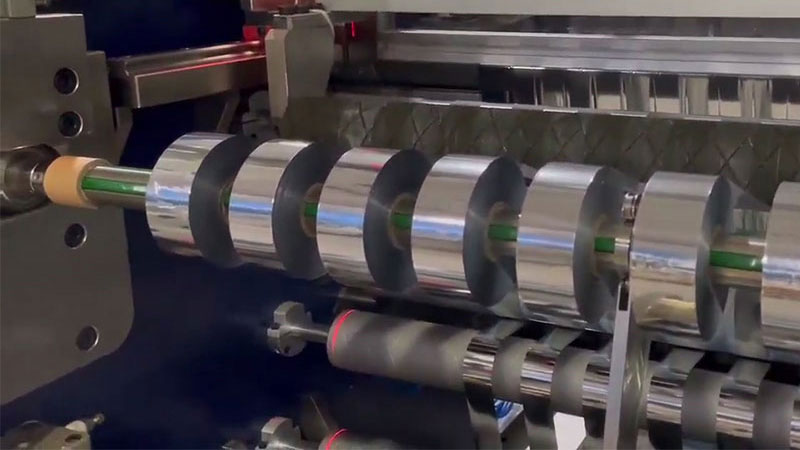
Common problems and solutions
1. Burr/irregular edges
• Possible cause: Blade passivation or improper installation
• Solution:
◦ Replace or sharpen the blade
◦ Adjust blade pressure (0.2-0.3MPa recommended)
◦ Check the tension of the gold foil roll (keep it uniform and moderate)
2. The slitting size is not accurate
• Possible causes: Loose mechanical drivetrain or faulty encoder
• Solution:
◦ Calibrate the slitting size setting
◦ Inspect and tighten transmission components
◦ Clean the encoder or contact a technician for service
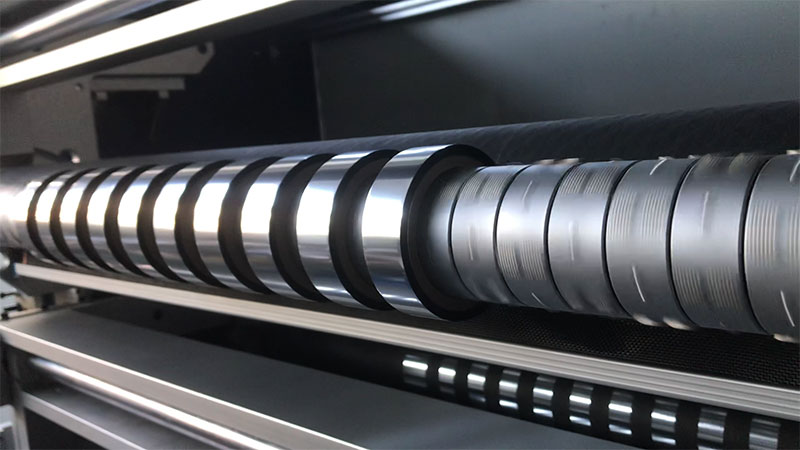
3. The material is wrinkled
• Possible causes: uneven tension or unbalanced guide rollers
• Solution:
◦ Adjust the unwinding and rewinding tension
◦ Check the parallelism and levelness of all guide rollers
◦ Reduced slitting speed (especially thin gold leaf)
4. Slitting surface adhesion
• Possible causes: Static build-up or high temperature
• Solution:
◦ Install the static eliminator
◦ Reduce the temperature of the workshop
◦ Appropriate reduction of winding pressure
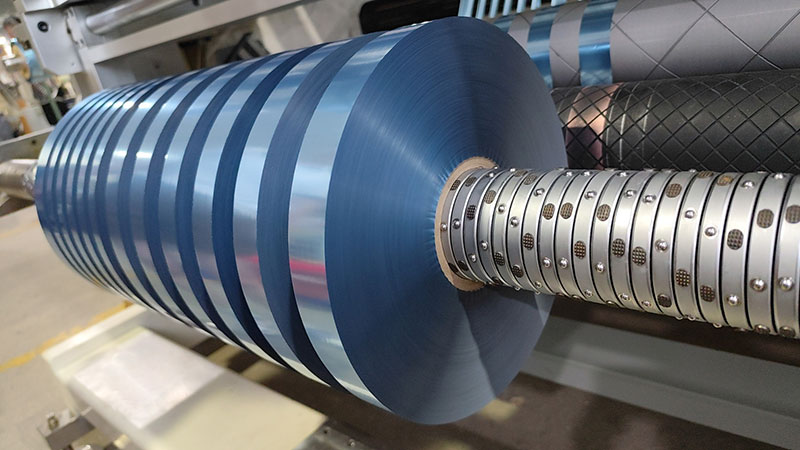
Routine maintenance recommendations
1. Clean the blades and guide rollers every 8 hours
2. Inspect the air system and transmission components weekly
3. Fully calibrate the accuracy of the equipment every month
4. Change the lubricating oil and filters quarterly
Safety Precautions
• Wear protective gloves and goggles when operating
• It is forbidden to touch moving parts with your hands while the equipment is running
• Press the E-STOP button immediately in case of emergency
• Inspect electrical safety devices regularly
Following these guidelines can significantly reduce slitting problems and improve production efficiency and product quality.
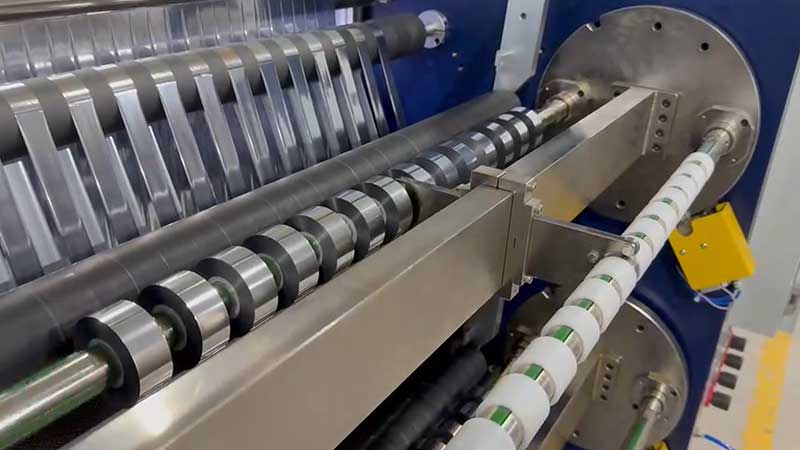
accuracy indicators will move from macro to micro, control logic will shift from experience to algorithms, and equipment roles will move from isolated islands to nodes.
10. November, 2026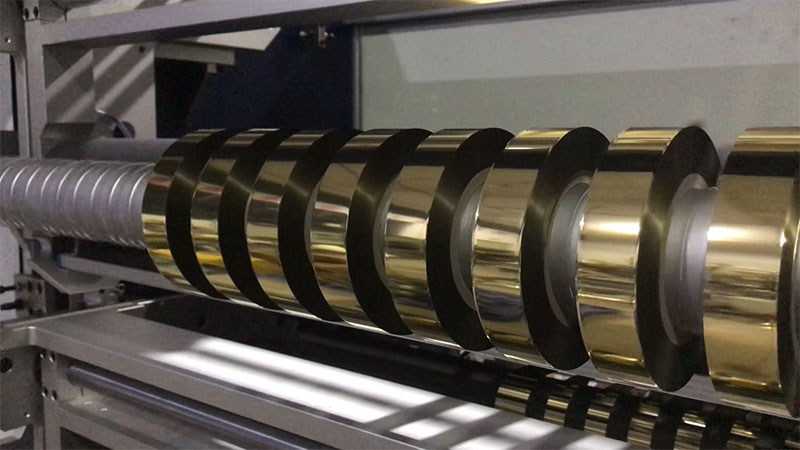
The following three application cases reveal the efficiency revolution currently underway in this area.
09. November, 2026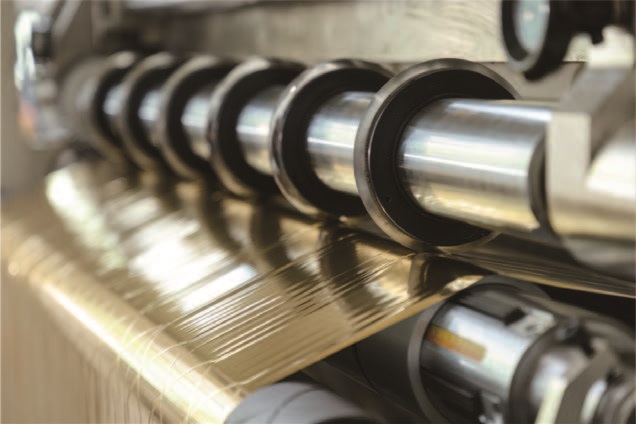
The following unfolds along two lines: practical steps and key techniques, balancing beginner entry points with common problem prediction and handling.
05. November, 2026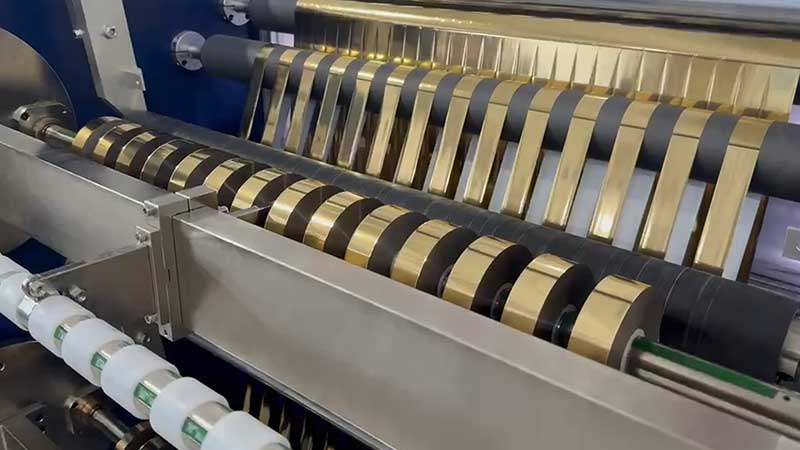
Hot foil stamping and slitting are key upstream steps in the stamping process, and their quality directly determines the success rate of subsequent hot stamping products.
05. November, 2026True efficiency improvements require shifting the perspective from "how fast the machine runs" to "how thoroughly every meter of foil is utilized."
05. November, 2026


 English
 Deutsch
 Français
 Español
 Português
 日本語
 русский
 한국어
 عربي
 ภาษาไทย
 Tiếng Việt
 Italiano