
By optimizing material utilization, reducing waste, and improving production efficiency, hot stamping foil slitting machines can save enterprises more than 30% of material costs. The following are specific implementation paths and key measures:
1. Precise slitting to reduce edge waste
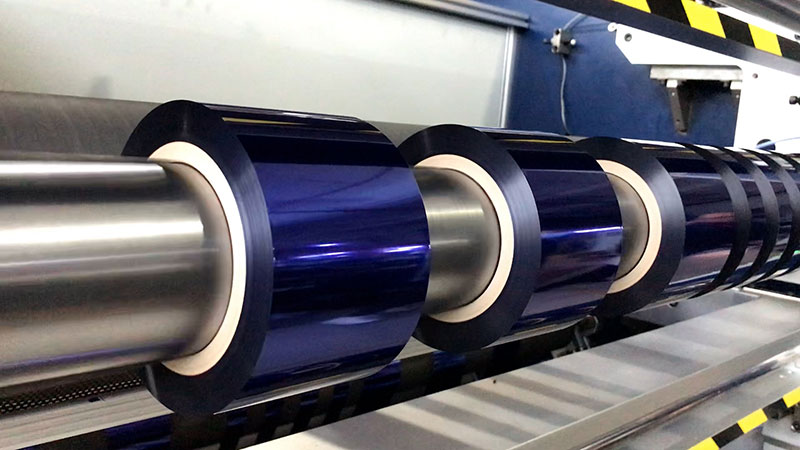
• High-precision slitting technology: Using laser or CNC slitting system, the wide gold foil is slitted into narrow specifications required by customers, and the error is controlled within ±0.1mm, avoiding the irregular edge loss caused by traditional manual slitting.
• Registration control system: real-time calibration of the gold leaf position through photoelectric sensors to ensure pattern alignment during slitting and reduce scrap rates due to misalignment (5%-10% reduction in scrap).
2. Optimize nesting and nesting
• Intelligent nesting software: Automatically plan the slitting scheme through AI algorithms to maximize the width of the gold foil coil (e.g., combine different customer orders for slitting to reduce the remaining leftovers).
• Multi-specification combination slitting: supports simultaneous slitting of multiple width specifications, and the material utilization rate can be increased from the traditional 70% to more than 90%.
3. Reduce refill loss
• Quick roll change system: Adopt automatic foil connection device, no need to stop when changing new rolls, reducing material waste at the joint (save 1-2 meters of gold leaf per roll change).
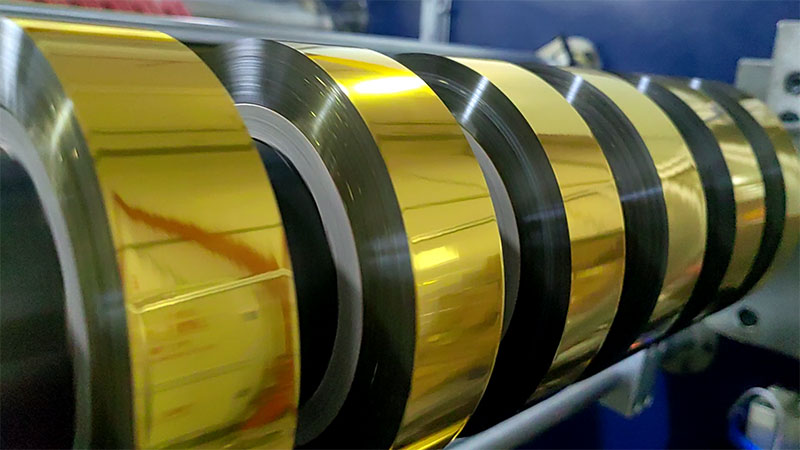
• Waste material recovery function: The remaining narrow rolls (usually discarded) after slitting are automatically spliced into new rolls to achieve "zero tailings" production.
4. Reduce operating losses
• Automated control: Reduce errors caused by manual intervention (e.g. uneven tension, slitting offset), and reduce the scrap rate from 8% to less than 2%.
• Real-time monitoring and alarm: detect gold leaf defects or abnormal slitting, and stop the machine in time to avoid bulk waste.
5. Extend the life of the material
• Low-temperature slitting technology: avoids oxidation of the hot stamping foil coating caused by high-temperature slitting, ensures material stability after slitting, and reduces losses in subsequent processing.
• Anti-stick coating treatment: The slitting machine roller is specially coated to prevent gold leaf from sticking and breaking.
6. Data-driven cost management
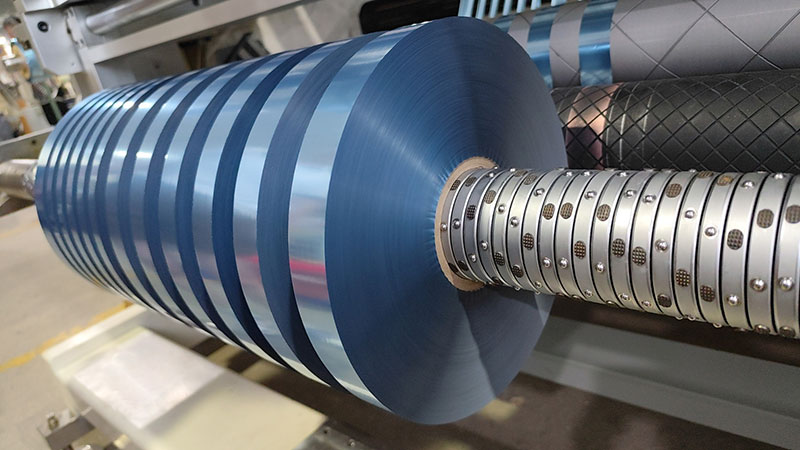
• MES system integration: record the slitting loss data of each roll of gold leaf and analyze and optimize the slitting parameters.
• Cost Accounting Module: Calculate the material cost of each batch of products in real time and accurately track the savings effect.
Case reference
After a packaging enterprise adopts the above slitting machine scheme:
• Material utilization increased from 68% to 95%;
• Scrap rate reduced from 10% to 3%;
• Save 35% of the annual gold leaf procurement cost (about 2 million yuan/year).
Implementation recommendations
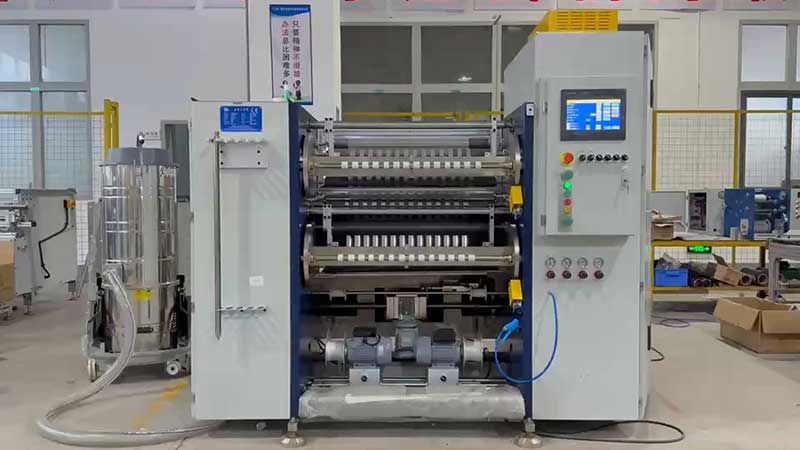
• Equipment Selection: Choose a slitting machine with automatic correction, residual material recovery, and intelligent nesting functions.
• Process adaptation: Adjust slitting parameters (e.g., speed, temperature) according to product needs.
• Employee training: Standardize the operation process to ensure the efficient operation of the equipment.
Through technological upgrades and process optimization, the hot stamping foil slitting machine can not only directly reduce material costs, but also improve production flexibility, helping enterprises undertake high-margin and small-batch orders.
Whether you operate a slitting line or source slit rolls from a supplier, understanding these failure modes helps you protect quality and reduce downtime.
08. October, 2026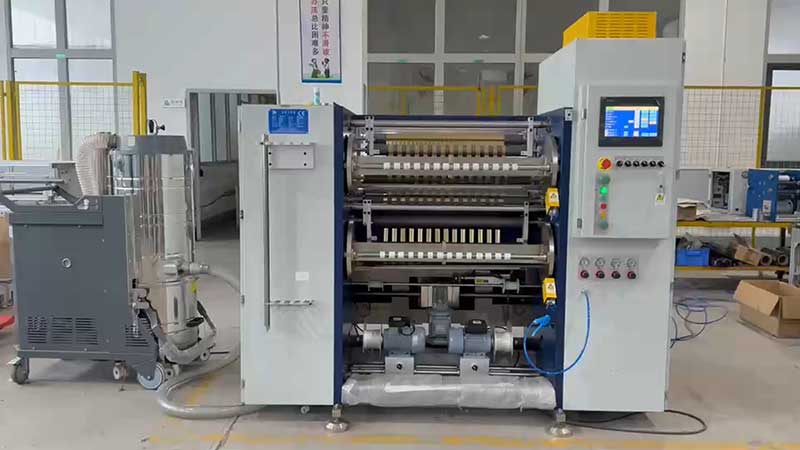
This guide breaks down the specifications that actually matter, organized by the parameters that directly affect your yield, efficiency, and bottom line.
08. October, 2026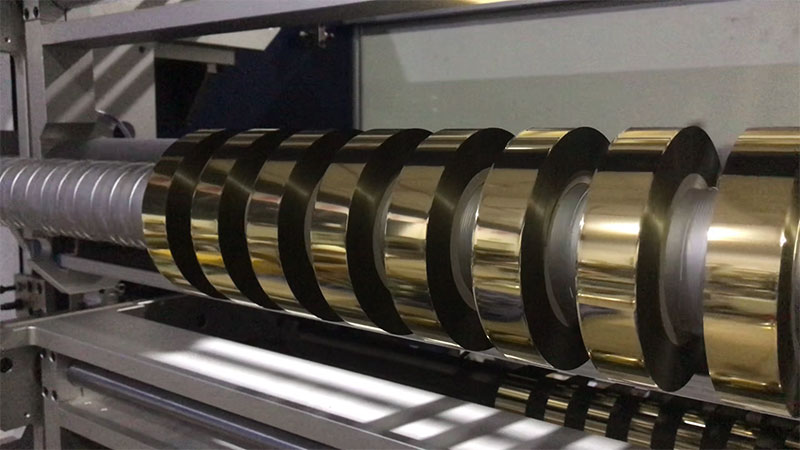
The tension control in the slitting stage directly determines the yield rate of subsequent hot stamping processes.
28. September, 2026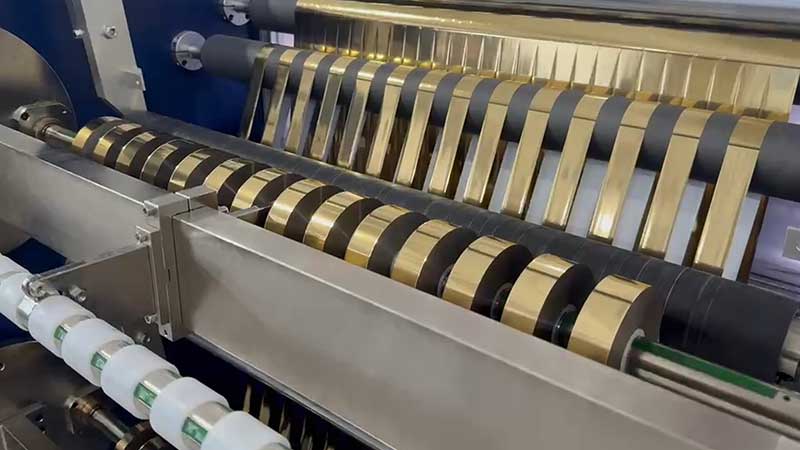
The key to selection is to grasp three parameters that truly determine slitting quality: slitting accuracy, tension control, and tool system.
28. September, 2026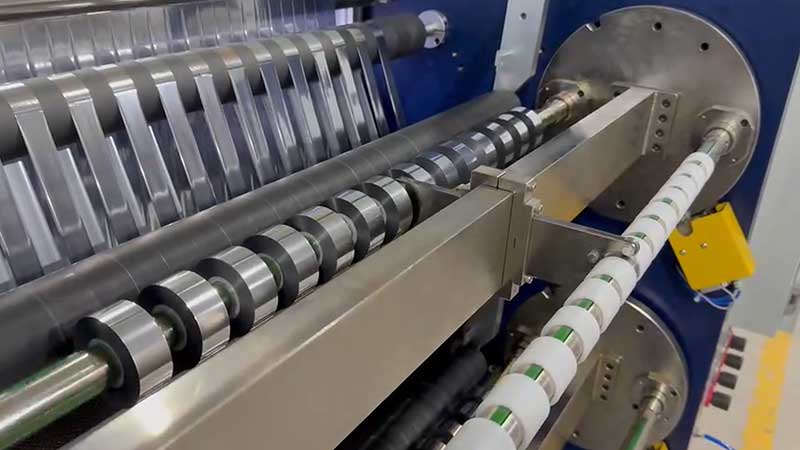
But what truly determines whether a slitting machine is "in sync" is not the absolute value of a single parameter, but the matching logic between width and speed.
28. September, 2026


 English
 Deutsch
 Français
 Español
 Português
 日本語
日本語 русский
 한국어
한국어 عربي
عربي ภาษาไทย
 Tiếng Việt
 Italiano