
Ribbon slitting machine significantly reduces industrial waste by accurately cutting ribbons (such as thermal transfer ribbons, industrial carbon materials, etc.), and is an important technical choice for sustainable development. Its core advantages and specific functions are as follows:
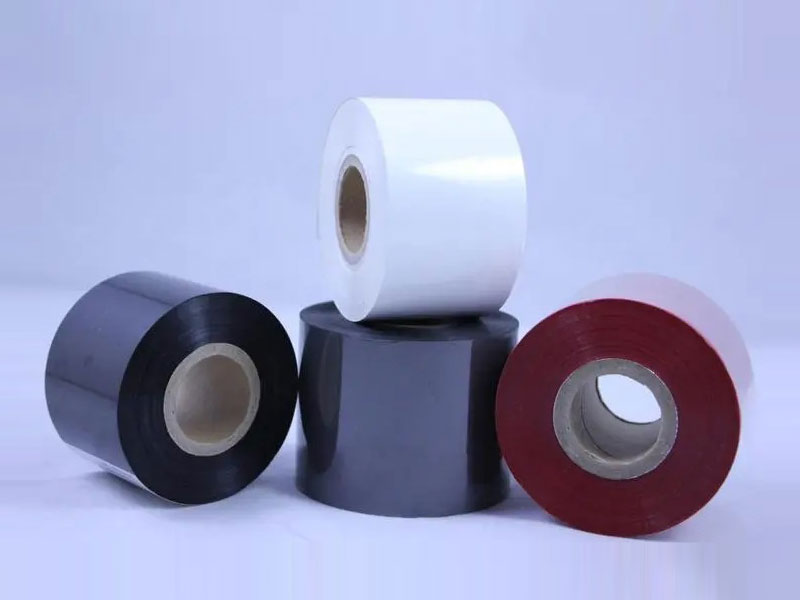
1. Precise cutting reduces material waste
• High-precision slitting: Using laser or CNC blade technology, the error can be controlled within ±0.1mm, avoiding edge loss caused by insufficient precision in traditional cutting.
• Optimized nesting: Intelligent software to plan cutting paths to maximize the width of raw materials (e.g., 1.5 m wide ribbons are cut into multiple narrow strips to reduce offcuts).
2. Waste recycling and recycling
• Scrap Material Collection System: The slitting machine integrates a waste coiling device to centrally recover the residual ribbon or substrate after cutting.
• Material recycling: Some ribbon substrates, such as mylar, can be remelted and granulated for the production of low-grade ribbons or other plastic products.
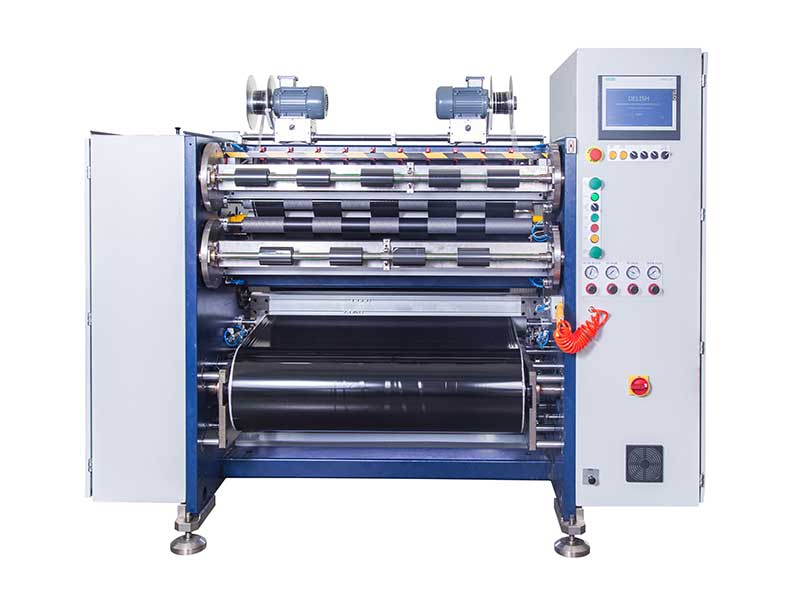
3. Energy and efficiency optimization
• Low Energy Consumption Design: Modern slitting machines use servo motors and frequency conversion technology, reducing energy consumption by more than 30% compared to traditional equipment.
• High-speed slitting: Cutting speed of more than 800 meters per minute, reducing production time and energy consumption per product.
4. Reduce the rate of defective products
• Automatic detection system: Real-time monitoring of ribbon defects (such as uneven coating) through CCD cameras or sensors, eliminating problem segments in advance to avoid scrapping the entire roll.
• Tension control: The constant tension system ensures that the material does not have tensile deformation during the slitting process, reducing the defective rate (the defective rate can reach 5% in traditional methods, and the slitting machine can be reduced to less than 0.5%).
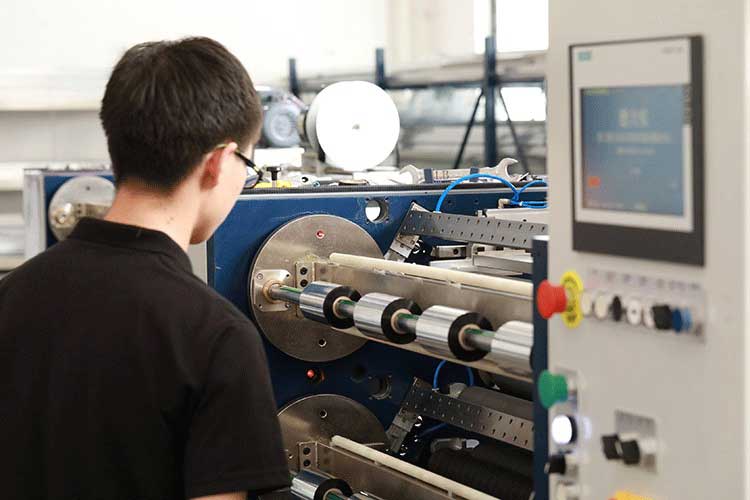
5. Adapt to environmentally friendly materials
• Bio-based ribbon compatible: Supports slitting ribbons based on degradable materials such as PLA (polylactic acid) to promote emission reduction throughout the life cycle.
• Solvent-free coating treatment: After slitting, it can be directly connected to the environmentally friendly coating process to reduce VOCs emissions.
Use Cases:
• Labeling industry: A company reduced the scrap rate from 8% to 1.2% by upgrading the ribbon slitting machine, reducing waste by more than 50 tons per year.
• Electronics industry: The slitted precision ribbon is used for flexible circuit printing to reduce the waste of precious metal inks.
summary
Through the trinity of precision machining, intelligent control and waste recycling, the ribbon slitting machine directly reduces raw material loss by 10%-30%, while improving production efficiency, which meets the needs of Industry 4.0 and circular economy. For high-value carbon materials (such as conductive ribbons), their economic benefits and environmental protection value are more significant.
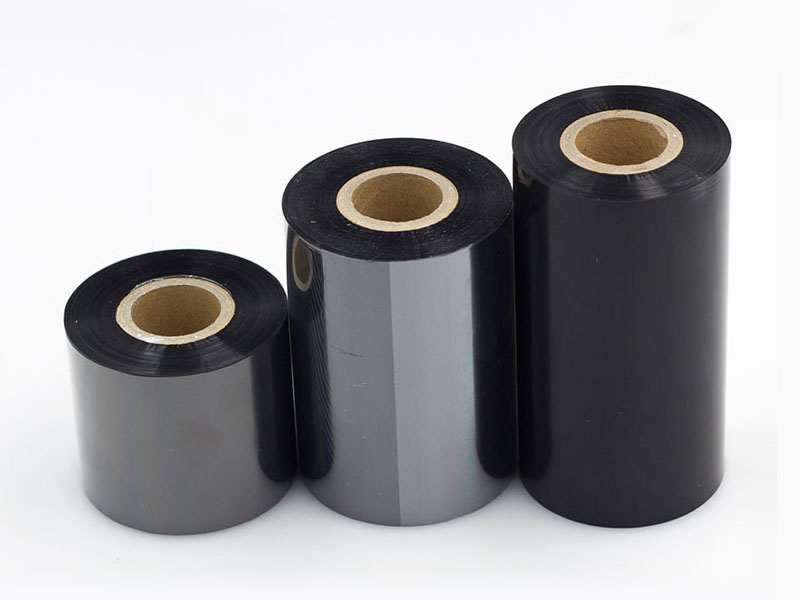
The value of the fully automatic ribbon slitting machine lies precisely in these two most basic criteria: precise cutting, minimal waste.
27. October, 2026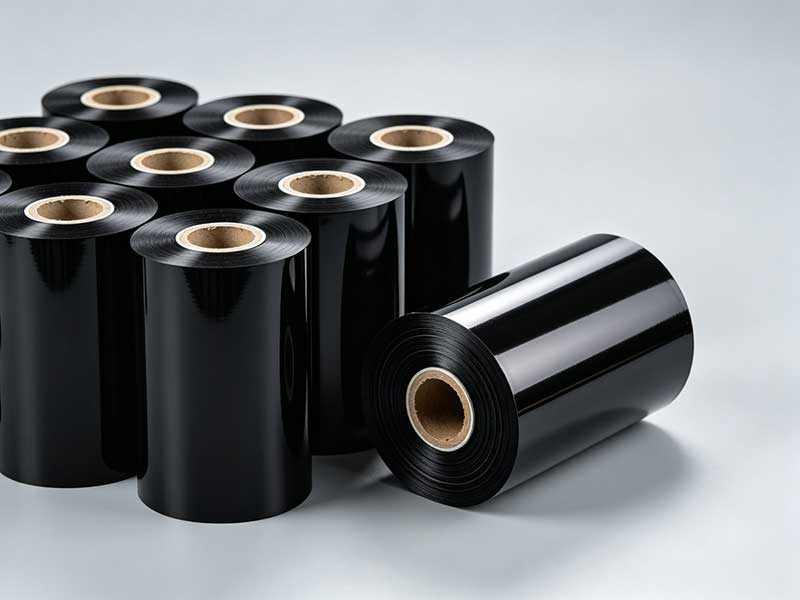
The widespread adoption of fully automatic ribbon slitting machines is changing this situation. Its core value can be summed up in six words: efficient, stable, and labor-saving.
22. October, 2026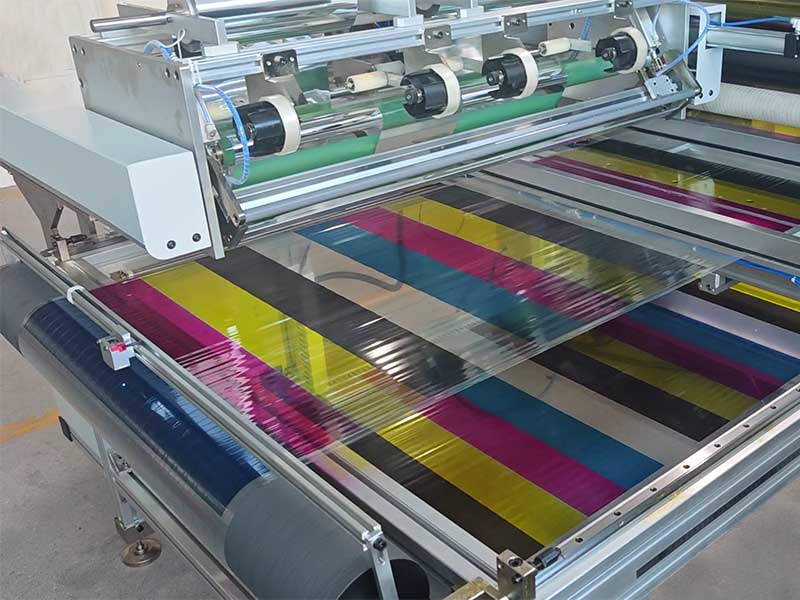
The color ribbon slitting machine is mainly used for wide roll slitting and rewinding of materials such as card printer color ribbons and thermal transfer ribbons.
21. October, 2026This article will break down the technical core of this function from four dimensions: signal detection, control logic, shutdown strategy, and precision calibration.
19. October, 2026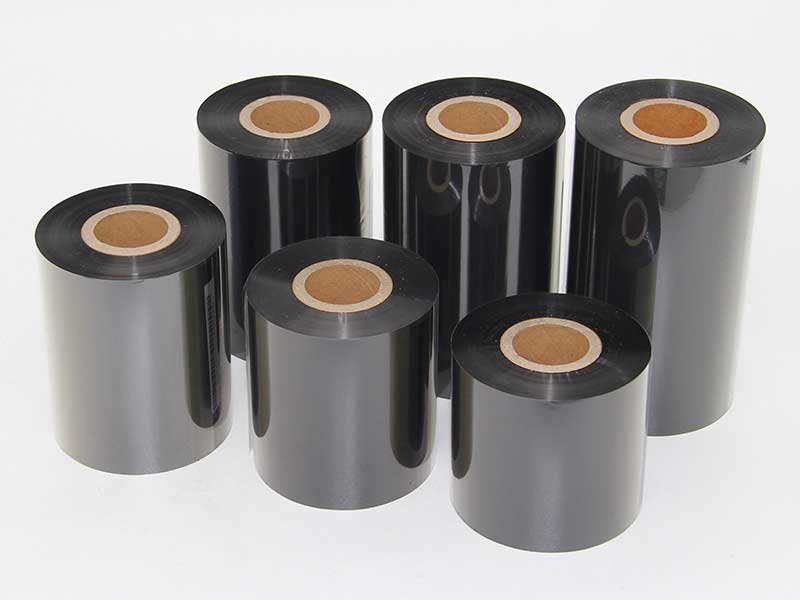
The value of the automatic correction function lies in incorporating this runaway variable into a precise closed loop, shifting slitting operations from "post-event selection" to "real-time self-heali
19. October, 2026


 English
 Deutsch
 Français
 Español
 Português
 日本語
日本語 русский
 한국어
한국어 عربي
عربي ภาษาไทย
 Tiếng Việt
 Italiano