
On the production line, rolls of ribbon master rolls are like silent beasts. After a few minutes, they will be "tamed" into finished rolls with a width accurate to millimeters and a length error of almost zero, lined up neatly, waiting to enter the printer, giving labels and tickets a clear and lasting identity. At the heart of this magical and precise conversion is the modern ribbon slitter. Today, however, this traditional industrial equipment is undergoing a profound transformation: its design focus is shifting from a single pursuit of ultimate slitting precision to an unprecedented ease of adjustment for operators while ensuring precision. This is not only an upgrade of technology, but also a paradigm shift in design philosophy from "machine-oriented" to "human-centered care".

1. Precision: the unshakable cornerstone and the challenges of the times
In the field of ribbon slitting, "precision" is an absolute hard currency. It means:
• Width is the same: Whether it's a 1.5 mm jewelry label or a 100 mm logistics tag, the slitting width must be absolutely consistent to avoid any waste or printing failure.
• Strict length control: The length of each ribbon must be precisely matched to customer needs to ensure production efficiency and cost control.
• Neat and smooth edges: No burrs and no crimps, which is the core of ensuring the smooth operation of the printhead and avoiding tape breakage.
• Constant tension: From the unwinding of the master coil to the winding of the finished product, the tension of the whole process needs to be precisely controlled to prevent the ribbon from stretching and deforming or wrinkling.
For a long time, engineers have devoted all their ingenuity to achieving these goals, resulting in highly sophisticated but often complex machines. However, with the increasing diversification of market demand, small batches, and fast delivery times, a new problem emerges: how to re-"set" this "precision" in the fastest and least error-prone way when frequently changing orders and adjusting specifications?
2. Convenient adjustment: the core practice of user-friendly design
As a result, "convenient adjustment" is no longer an auxiliary function, but has become the only way to achieve efficiency and accuracy. Advanced user-friendly design solves traditional challenges by:
1. Intuitive parameter input: The fuzzy adjustment of the traditional knob plus ruler is replaced by a full-color touch screen. Instead of repeatedly measuring the test cut, the operator can simply enter numbers such as target width, length, roll diameter in the interface, or retrieve parameters directly from the historical order library. Graphical guidance and error-proof logic eliminate human input errors from the source.
2. One-click automatic setup: It's a leap in convenience. Press the "Order A" button and the machine will automatically complete all the preparations.
3. Modular and quick-change design: For different materials (wax-based, mixed-based, resin-based) or special slitting needs, key modules such as tool holders and guide rollers adopt standardized quick-change interfaces. Changeover time is reduced from hours to minutes, significantly reducing downtime and reducing the physical burden and technical barrier for operators.
4. Intelligent Assistance and Status Visualization: By integrating sensors and IoT technology, the machine can monitor blade wear, tension fluctuations, and abnormal vibrations in real time, and provide early warnings. The operator no longer relies on the experience of "listening and identifying", and all core status is clear through the dashboard. The remote diagnosis function allows experts to provide online support and quickly troubleshoot.

3. Human-machine symbiosis: the deep value brought by friendly design
This in-depth design around "convenient adjustment" produces value far beyond "trouble-saving" itself:
• Cost reduction and efficiency increase: reduce adjustment time and trial cutting waste, directly improve the overall equipment effectiveness (OEE), and cope with flexible production with ease.
• Reduce dependency: Simplify complex operations, reduce absolute dependence on senior technicians, and alleviate labor costs and skill shortage pressure.
• Improve quality stability: Reducing human intervention means that quality fluctuations caused by operational differences are greatly compressed, and accuracy is internalized from "result" to "process".
• Improved work experience: Frees operators from repetitive, heavy physical work and high mental stress, allowing them to focus more on process monitoring and optimization, showing respect and care for people.
Epilogue
From a precision "black box" that must rely on a wrench, experience and patience to an intelligent partner with clear parameters, one-click setting, and transparent status, the evolution trajectory of modern ribbon slitting machines clearly shows that in the field of industrial manufacturing, the highest precision needs to be achieved reliably and efficiently through extreme ease of use. When the wisdom of engineers is deeply integrated with the needs of operators, and when cold steel is given humanized thinking, "convenient adjustment and precise slitting" are no longer two juxtaposed highlights, but merge into a powerful competitiveness. It symbolizes that industrial design is moving beyond pure functionalism and entering a new era of harmony between efficiency, quality and human experience - where the best machines are those that make people barely feel their complex existence.
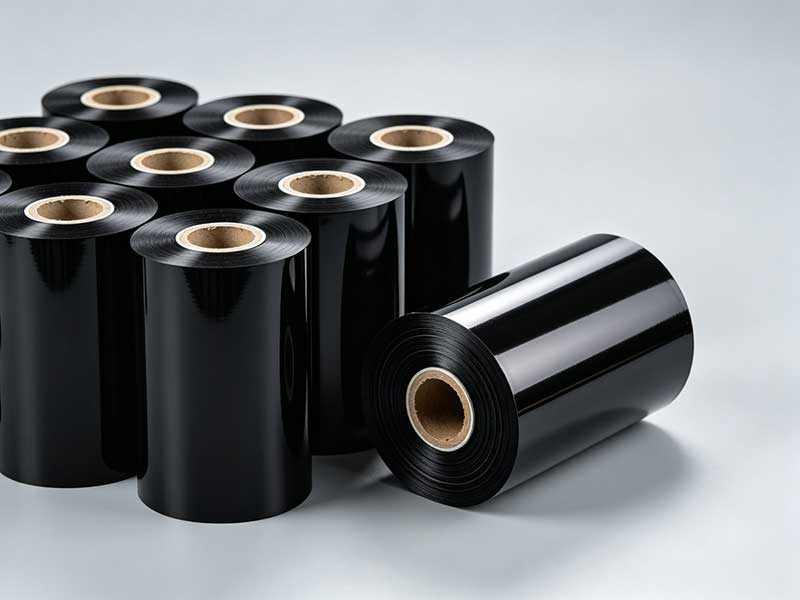
the key to choosing a model is not to pursue the "highest configuration," but to find a balance that matches your own business.
12. October, 2026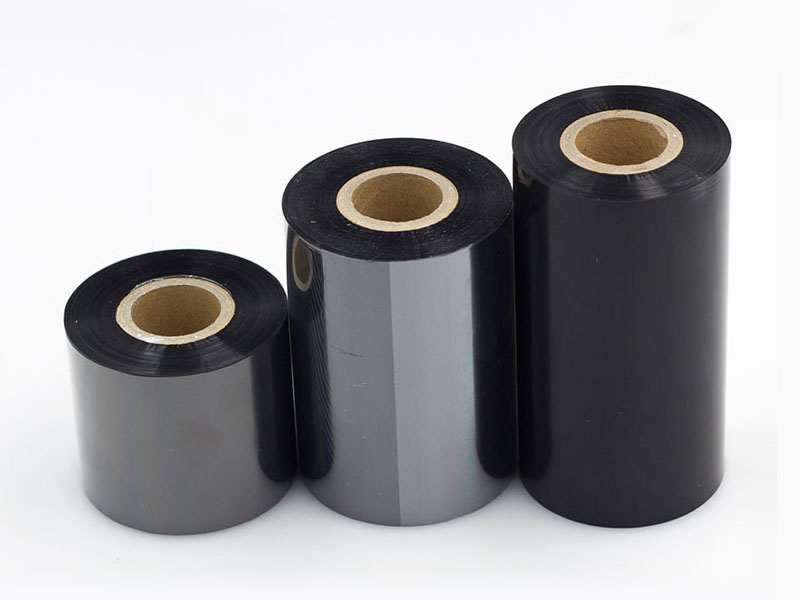
The coating formula, base film characteristics, and physical specifications of the ribbon directly affect the suitability and yield of the slitting machine.
09. October, 2026The core function of a ribbon slitting machine revolves around three dimensions: "precise cutting, stable rolling, and fast running."
09. October, 2026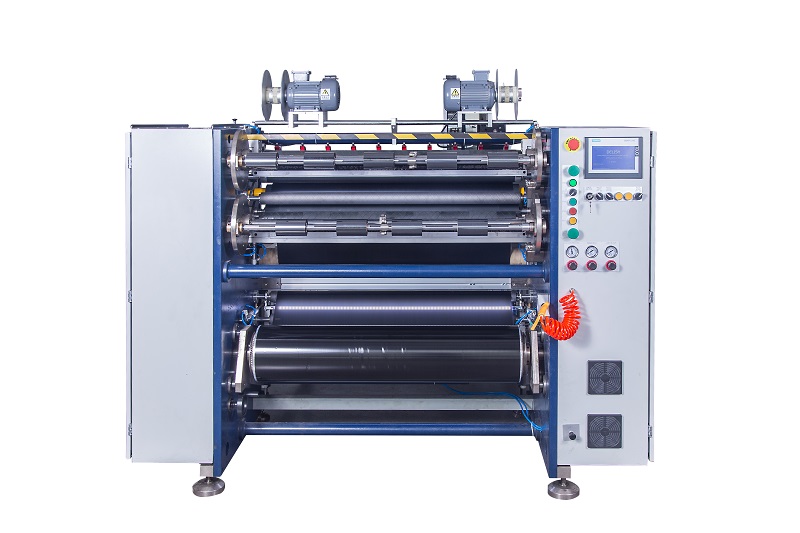
This article starts from actual usage scenarios to outline a clear selection approach.
09. October, 2026The essence of uneven end faces in ribbon slitting machines is an external manifestation of subtle imbalances between tension, parallelism, correction, and tool condition.
05. October, 2026


 English
 Deutsch
 Français
 Español
 Português
 日本語
日本語 русский
 한국어
한국어 عربي
عربي ภาษาไทย
 Tiếng Việt
 Italiano