
Introduction
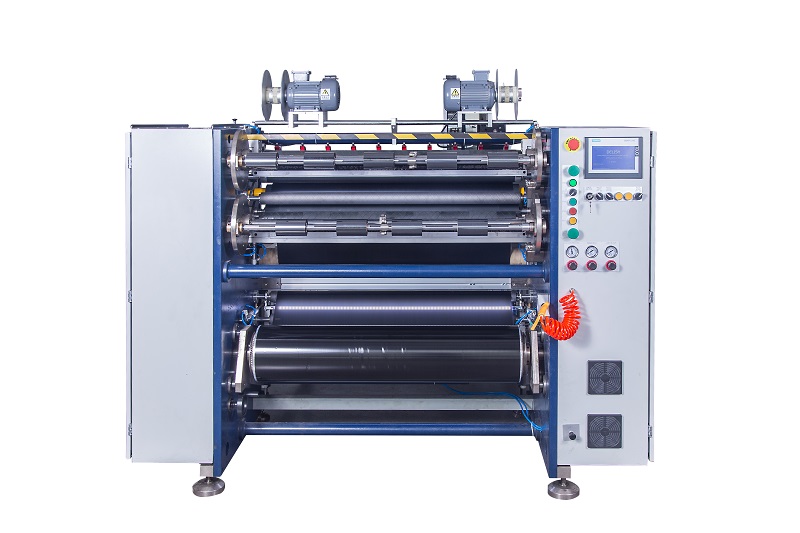
In the modern label printing and packaging industry, ribbon slitting machine is the core precision equipment for processing printing consumables (thermal transfer ribbon). Its function is to slice wide master ribbons into small rolls of finished products of specific widths according to customer needs. This equipment integrates high-speed rotating blades, tension control systems, and winding mechanisms, which not only provide efficient production but also harbor various safety risks such as mechanical cutting, clamping, electrical and fire. In order to ensure the safety of personnel, ensure the stable operation of equipment and product quality, it is crucial to formulate and strictly implement a set of scientific and comprehensive safety operation specifications and precautions. This article aims to systematically explain the safety requirements of the entire process of ribbon slitting machine operation and provide clear guidance for operators and management.
Part 1: Basic requirements and preparation of operators
1. Qualification and training: Operators must undergo professional and systematic training organized by the manufacturer or the company, fully understand the equipment structure, principle, process and potential dangers, and can only take up their posts independently after passing the assessment. It is strictly forbidden to operate equipment without training or unqualified personnel.
2. Personal Protective Equipment (PPE): Before work, the following protective equipment must be worn correctly:
◦ Protective Eyewear: Prevent tiny debris or dust from splashing into the eyes from the cutting process.
◦ Tight workwear: Clothing should fit, cuffs and hems should be tightened, loose clothing, ties, scarves are strictly prohibited, long hair must be coiled up and placed in the work cap to prevent it from being caught by rotating parts.
◦ Anti-cut gloves: Wear them when handling the blade and handling the edge of the ribbon after slitting, but be careful not to wear gloves to touch the rotating part when the equipment is running to prevent entanglement.
◦ Safety shoes: Prevent heavy objects from falling or equipment parts from injuring your feet.
3. Preparation of the working environment:
◦ Ensure that the area around the equipment is clean, dry, and well-lit, and that the floor is free of oil, water and debris, and that the passage is unobstructed.
◦ Check that firefighting facilities (such as fire extinguishers) are in place and effective.
◦ The equipment should be reliably grounded, and the safety devices such as electrical cabinet doors and protective covers should be intact.
Part 2: Safety inspection before operation
1. Device status confirmation: Before the official start-up, perform the following checks:
◦ Power and E-Stop: Check that the main power connection is secure and that all E-Stop buttons are in a release state that can be triggered at any time.
◦ Safety guards: Confirm that all protective covers (especially the tool head and drive roller parts) are securely installed and the interlock function is effective (i.e., when the protective cover is opened, the equipment cannot be started or stopped immediately).
◦ Tool system: Check whether the round knife or razor is installed correctly, locked, and the blade is free of chipping or rust. Blade replacement must be done with a special tool and with the device completely de-energized and energy locked.
◦ Tension system: Check whether each guide roller and tension sensor are clean, flexible rotation, and whether the tension setting value meets the current process requirements of slitting materials.
◦ Cleaning and foreign objects: Use special cleaning tools (such as soft cloths, vacuum cleaners) to remove dust, toner and residual film debris from the tool shaft, guide rollers, and sensors to ensure that there are no foreign objects.
Part 3: Operational safety operation specifications
1. Standardized feeding and strapping:
◦ When loading (placing the mother roll), appropriate handling tools or methods should be used to prevent sprains in the waist or material falling.
◦ Strictly follow the path specified in the equipment manual or operation instructions to guide the ribbon to ensure that the ribbon is flat and not twisted or folded. The device must be in "manual" or "maintenance" mode and is the slowest to wear the strap.
2. Parameter setting and commissioning:
◦ Parameters such as slitting width, tension, and speed are precisely set according to the ribbon type (wax-based, mixed-based, resin-based), width, length, etc. The initial speed should start at a low speed.
◦ Perform short-distance test cutting to check the slitting quality (edge flatness, coiling neatness) and tension stability, and confirm that it is correct before returning to normal production speed.

3. Operational Monitoring:
◦ When the equipment is running, the operator should maintain concentration and observe the operation status of the equipment at all times, especially the tool area and winding part. No part of the body should be inserted into the protective cover.
◦ Listen to the sound of equipment operation, and press the emergency stop button immediately if you find abnormal noise, vibration or smell of burnt smell.
◦ Monitor the tension display and winding effect to prevent tape breakage, entanglement, or uneven winding due to tension imbalance.
4. Standardize Exception Handling:
◦ In the event of abnormalities such as belt breakage and jamming, the machine must be completely stopped, and the emergency stop button must be pressed if necessary, and the protective cover can be opened for treatment after all moving parts of the equipment are completely stopped.
◦ When handling winding materials, plastic or wooden tools should be used, and direct hand pulling is strictly prohibited to prevent cuts.
Part 4: Post-operation and maintenance precautions
1. Standardized blanking and cleaning:
◦ When the slitting is complete, reduce the speed to stop and cut off the main power supply.
◦ When removing the finished roll, handle it carefully to avoid collisions.
◦ Use an anti-static brush or vacuum cleaner to thoroughly clean the unit of toner and film debris. Ribbon materials, especially their coatings, can be flammable, and accumulated dust is an explosion risk and must be cleaned up promptly.
2. Tool Management and Storage:
◦ The removed blade should be coated with anti-rust oil, put in a special knife box or knife holder, marked with the status (used/unused/to be sharpened), and stored in a designated safe location to prevent accidental cuts.
3. Regular Maintenance and Lockout:
◦ All periodic maintenance (e.g., lubrication, calibration, replacement of parts) must follow the equipment maintenance manual.
◦ Before performing any maintenance operation that enters the dangerous area of the equipment, the "LOTO" procedure must be strictly implemented: disconnect the power source (electricity, gas), lock the individual and hang the "no operation" warning sign to ensure that the energy is absolutely isolated and prevent serious injury caused by accidental start.
Part 5: Emergency Response
1. Familiarize yourself with the location of all emergency stop buttons on the device to ensure that it can be triggered as soon as possible in the event of pinching, entrainment, abnormal noise or fire.
2. If there is a slight cut or other accident, stop the machine immediately, and treat and report the wound according to the company's emergency plan.
3. If the equipment smokes or catches fire, immediately use carbon dioxide or dry powder fire extinguishers to extinguish the initial fire under the premise of ensuring your own safety, and quickly alarm and evacuate.
Epilogue
Safety is no small matter, and responsibility is heavier than mountains. The safe operation of the ribbon slitting machine depends not only on the safety design of the equipment itself, but also on the tight safety awareness of each operator, rigorous and standardized operating behavior and scientific and perfect on-site management. Internalizing this specification in the heart and externalizing it in practice is the fundamental way to prevent accidents and achieve the goal of "zero injury". Management must shoulder the responsibility of supervision, training and continuous improvement to jointly create a safe, efficient and reliable production environment.
the key to choosing a model is not to pursue the "highest configuration," but to find a balance that matches your own business.
12. October, 2026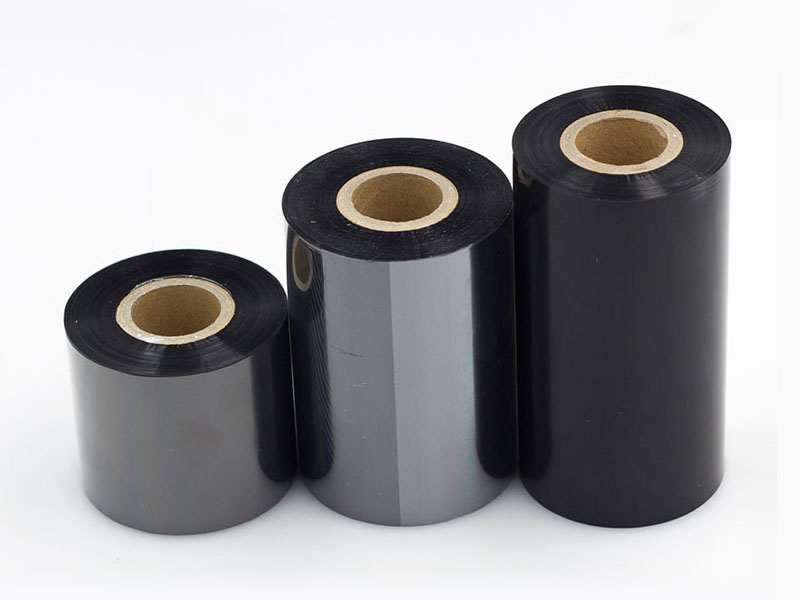
The coating formula, base film characteristics, and physical specifications of the ribbon directly affect the suitability and yield of the slitting machine.
09. October, 2026The core function of a ribbon slitting machine revolves around three dimensions: "precise cutting, stable rolling, and fast running."
09. October, 2026This article starts from actual usage scenarios to outline a clear selection approach.
09. October, 2026The essence of uneven end faces in ribbon slitting machines is an external manifestation of subtle imbalances between tension, parallelism, correction, and tool condition.
05. October, 2026


 English
 Deutsch
 Français
 Español
 Português
 日本語
日本語 русский
 한국어
한국어 عربي
عربي ภาษาไทย
 Tiếng Việt
 Italiano