
In the thermal transfer industry, ribbon slitting machines are one of the core equipment to ensure the quality and efficiency of label printing. Faced with different types of slitting machines on the market, enterprises often fall into the dilemma of choosing between "high-speed" and "precision". These two are not simply antagonistic but represent two key dimensions of device design. Understanding their characteristics and making reasonable choices based on their own production needs is a key step in improving production efficiency and product quality.
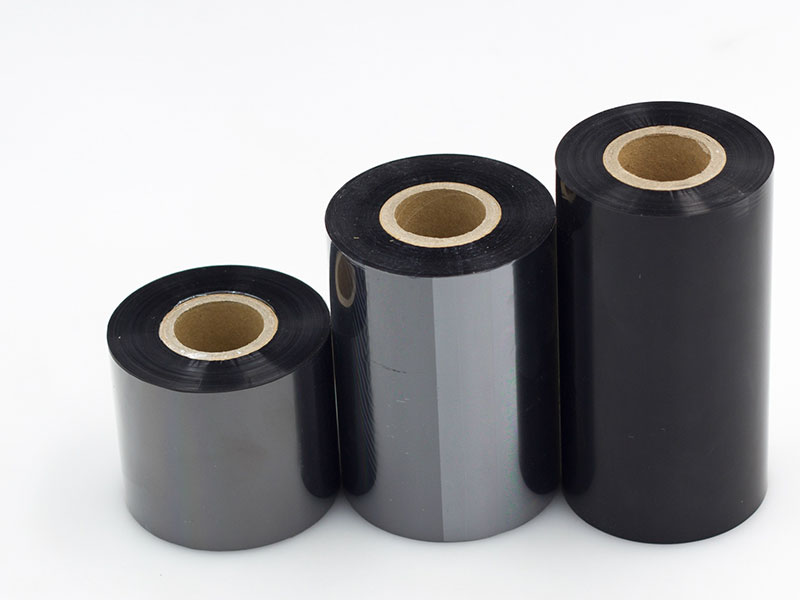
High-speed slitting machine: Born for large-scale production
High-speed ribbon slitting machines usually have the following characteristics:
• Cutting speed up to 300-500 m/min
• Continuous coil handling system is used
• High degree of automation, reducing manual intervention
• Suitable for high-volume, standard-spec production
Applicable scenarios:
• Large-scale production with a daily output of more than 100,000 meters
• Product specifications are relatively uniform with few changes
• Production environments with strict lead time requirements
• Production lines that need to run continuously for 24 hours
Advantage analysis:
The biggest advantage of high-speed slitting machines is their excellent capacity output. By optimizing the mechanical drive system and employing advanced control technology, such equipment can significantly improve slitting efficiency without sacrificing basic precision. For example, a label manufacturer introduced a high-speed slitting machine that increased production capacity by 40% and reduced unit costs by 15%.
Precision slitting machines: designed for specialized needs
Precision ribbon slitting machine focuses on:
• Slitting accuracy can reach ±0.1mm or even higher
• Supports complex specifications and multi-size slitting
• Equipped with a high-sensitivity tension control system
• Suitable for small batches and multi-variety production modes
Applicable scenarios:
• Production of special labels for medical, electronics and other industries
• Production environment with frequent changes in product specifications
• Applications with high requirements for edge neatness and dimensional consistency
• R&D trial production and small batch customized production
Advantage analysis:
The core value of precision slitting machines lies in their exceptional accuracy and flexibility. By employing servo motor control, high-precision guides, and intelligent guidance systems, this type of equipment ensures that every slitting product meets stringent dimensional standards. A medical device label supplier reported that the product qualification rate increased from 92% to 99.7% after switching to precision slitting machines.
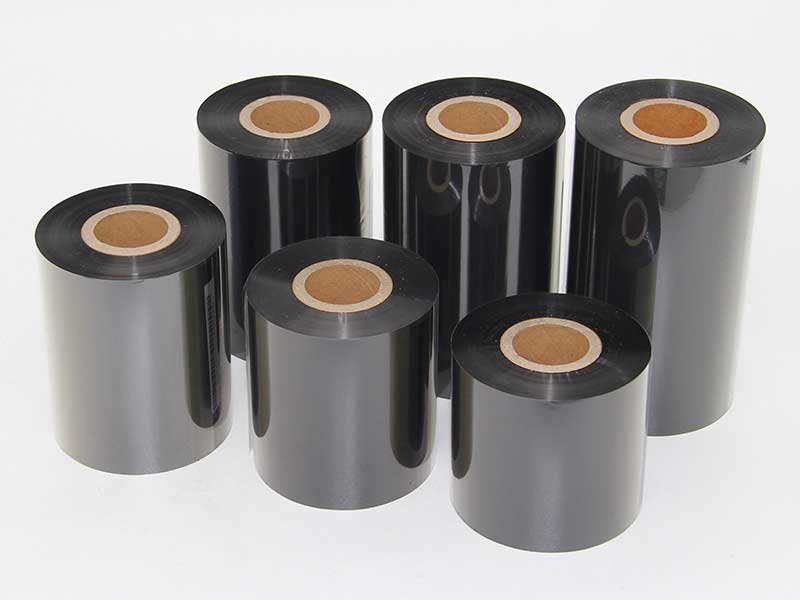
Decision matrix: how to make choices based on needs
1. Production scale assessment
• High-Volume Standardized Production: Prioritize high-speed slitting machines
• Diversified production of small and medium batches: precision slitting machines are more suitable
• Hybrid production model: consider portfolio options or equipment with dual characteristics
2. Accuracy requirements analysis
• Ordinary commercial labels: ± 0.3mm accuracy can be satisfied, and high-speed models are suitable
• Precision electronic labels: If you need to ± 0.1mm or higher precision, you should choose a precision model
• Special Industry Applications: For example, aviation, medical labeling, precision must be prioritized
3. Cost-benefit calculation
In addition to equipment purchase costs, consider the following:
• Energy Consumption Comparison: High-speed devices typically consume more energy
• Maintenance costs: Precision equipment maintenance requirements are higher
• Material Utilization: Precision slitting reduces waste
• Labor costs: Highly automated equipment reduces operators
4. Consideration of technological development trends
Modern slitting machine technology is evolving in the direction of "high speed and precision". Some advanced equipment achieves a balance between the two through the following technologies:
• Artificial intelligence vision inspection system
• Adaptive tension control technology
• Predictive maintenance capabilities
• Modular design for easy upgrades

Practical advice: five steps to making an informed choice
1. Demand list: Clearly list the current and next 3-5 years of production needs, including product type, specification change frequency, output targets, and precision standards.
2. Equipment Testing: Arrange sample testing whenever possible to evaluate equipment performance under actual production conditions.
3. Supplier evaluation: Examine the supplier's technical support capabilities, after-sales service network, and spare parts supply.
4. Total Cost of Ownership Analysis: Calculate the total cost of the entire life cycle of the device, rather than focusing solely on the purchase price.
5. Flexibility Reservation: Choose equipment with some room for upgrades to accommodate possible future production changes.
Epilogue
Choosing between high speed and precision is essentially the strategic positioning of enterprises according to their own production characteristics. There are no absolute right answers, only the most suitable options for the current stage of development. With the development of intelligent manufacturing technology, the boundaries between the two are gradually blurring, and the ideal slitting machine of the future will be able to achieve satisfactory high-speed production while ensuring extremely high precision.
Wise business decision-makers will recognize that choosing a slitting machine is not just about purchasing a piece of equipment, but about laying the foundation for a business's production capacity for years to come. Before making a decision, fully understand your own needs and objectively evaluate the performance of the equipment, in order to find the most suitable balance between high speed and precision, and finally gain an advantage in the market competition.
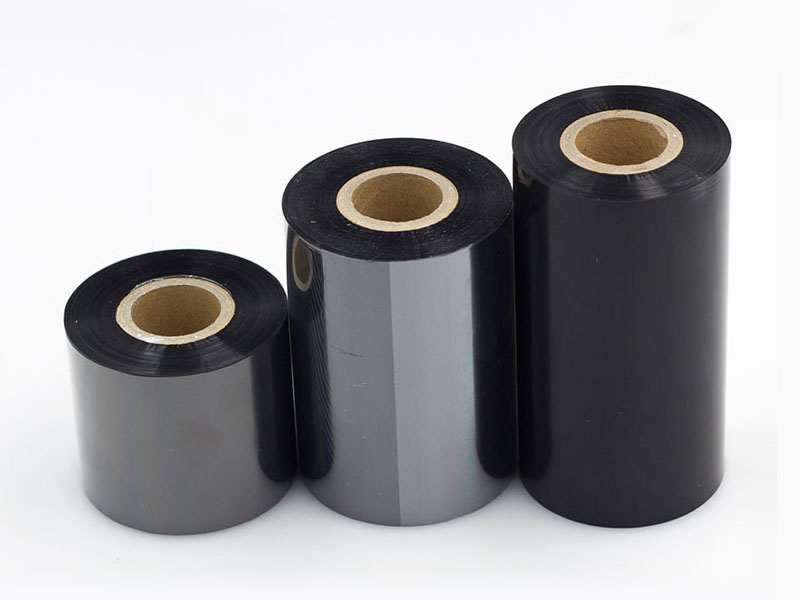
The coating formula, base film characteristics, and physical specifications of the ribbon directly affect the suitability and yield of the slitting machine.
09. October, 2026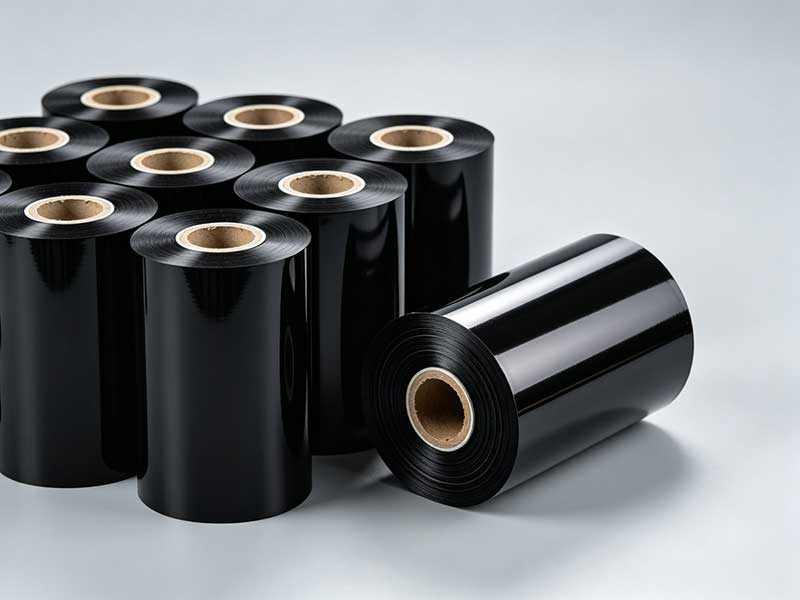
The core function of a ribbon slitting machine revolves around three dimensions: "precise cutting, stable rolling, and fast running."
09. October, 2026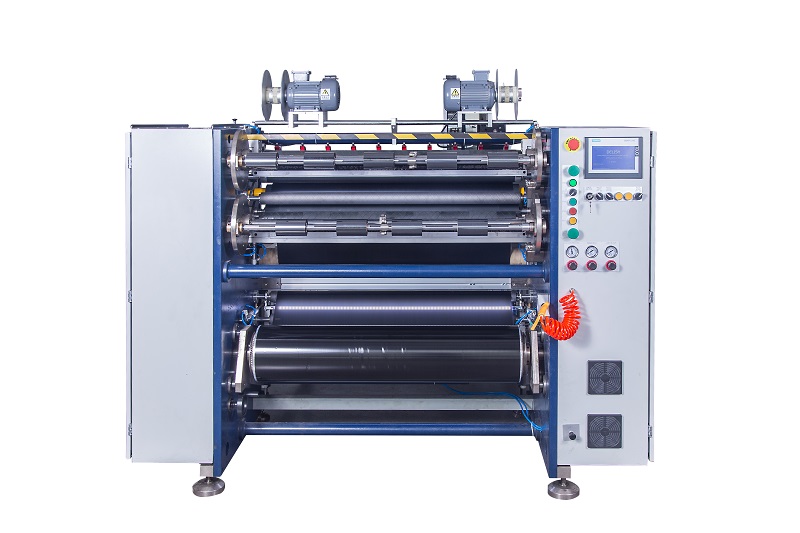
This article starts from actual usage scenarios to outline a clear selection approach.
09. October, 2026The essence of uneven end faces in ribbon slitting machines is an external manifestation of subtle imbalances between tension, parallelism, correction, and tool condition.
05. October, 2026To solve this problem, a systematic inspection is needed from four dimensions: tension control, mechanical precision, auxiliary systems, and operating standards.
05. October, 2026


 English
 Deutsch
 Français
 Español
 Português
 日本語
日本語 русский
 한국어
한국어 عربي
عربي ภาษาไทย
 Tiếng Việt
 Italiano