
In the field of industrial consumables, ribbon is the indispensable "blood" of thermal transfer printing. From logistics sheets to food labels, from medical wristbands to clothing tags, ribbons are everywhere. However, behind this seemingly ordinary consumable lies a key link that determines the final profit - ribbon slitting.
How does a wide webbed ribbon become the exact size for different printer models? The "millimeter difference" in the middle often means "a thousand miles of fallacy". Today, let's explore the "small slitting, big profit" business of the ribbon slitting machine and see where those unknown technical moats are.
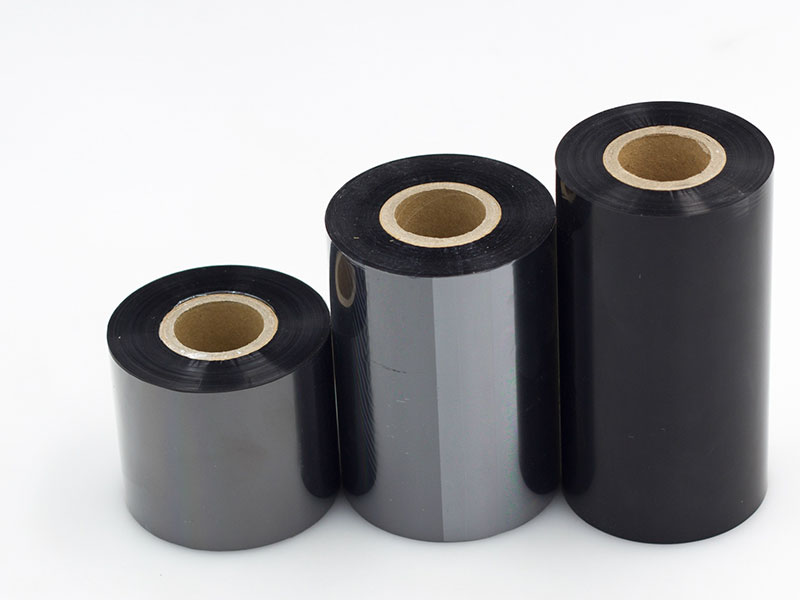
Precision: The first line of defense for profits
The first threshold for ribbon slitting is slitting accuracy.
Printers on the market come in a variety of printhead widths, ranging from 20mm to 110mm. If the width error of the slitted carbon band exceeds 0.5mm, it can cause the printed content to shift and damage the expensive printhead. For slitting companies, a loss of precision means that the entire ribbon is scrapped - not only a waste of materials, but also a direct loss of profit.
The high-end slitting machine adopts a closed-loop tension control system and a high-precision servo motor to ensure that the slitting width error is controlled within ±0.1mm in high-speed operation. This micron-level control capability is the watershed between high-quality slitting enterprises and small workshops.
Flat end face: invisible quality contest
When you pick up a roll of a ribbon, what is the first thing you see? It's the end of the face.
The flatness of the end face is the "appearance responsibility" of ribbon quality. Uneven end faces not only affect the aesthetics, but also cause the ribbon to deviate and wrinkle during printing after installation. Slitting machines that pursue ultimate flatness are often equipped with independent tool shaft structures and optical tool setting systems to ensure that each knife cuts vertically and the cuts are as smooth as a mirror.
Behind the flat end face is the perfect balance of mechanical rigidity, blade angle and pressure distribution. Mastering this balance often requires years or even more than ten years of technical accumulation.
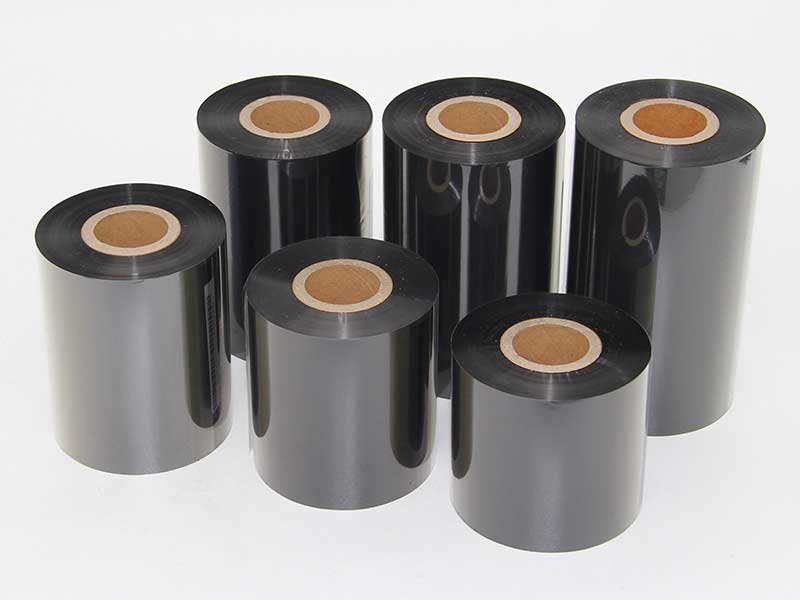
Tension control: the art of softness and rigidity
The structure of the ribbon is exquisite—it is made up of a very thin base film, ink layer, and back coating. During the slitting process, if the tension is too large, the ribbon will be stretched, deformed, or even broken; If the tension is too small, it will lead to uneven winding and wrinkling.
The core technology here is a fully automatic tension calculation system.
The advanced ribbon slitting machine can automatically calculate and adjust the tension curve of the unwinding and unwinding in real time according to the thickness, hardness and width of the material. Smarter devices can even predict tension fluctuations during acceleration and deceleration and dynamically compensate in advance. This "rigid and flexible" control capability determines whether the printing performance of the finished ribbon product is stable and consistent.
Automation: From cost center to profit center
The slitting link is often seen as a "cost center", but really smart companies are turning it into a "profit center".
Automatic connection, automatic reel change, automatic detection – when the slitter has these capabilities, the operator can change from a "guard machine" to a "management machine". One person operates multiple devices simultaneously, which not only reduces labor costs, but more importantly, eliminates the uncertainty caused by manual operation.
In addition, in-line defect detection systems are becoming standard in high-end slitting machines. Through real-time scanning by high-resolution industrial cameras, even micron-level uneven coatings and impurity particles will be immediately marked or alarmed to prevent defective products from flowing into the next link. This "zero defect" control ability is a passport to win the trust of high-end customers.
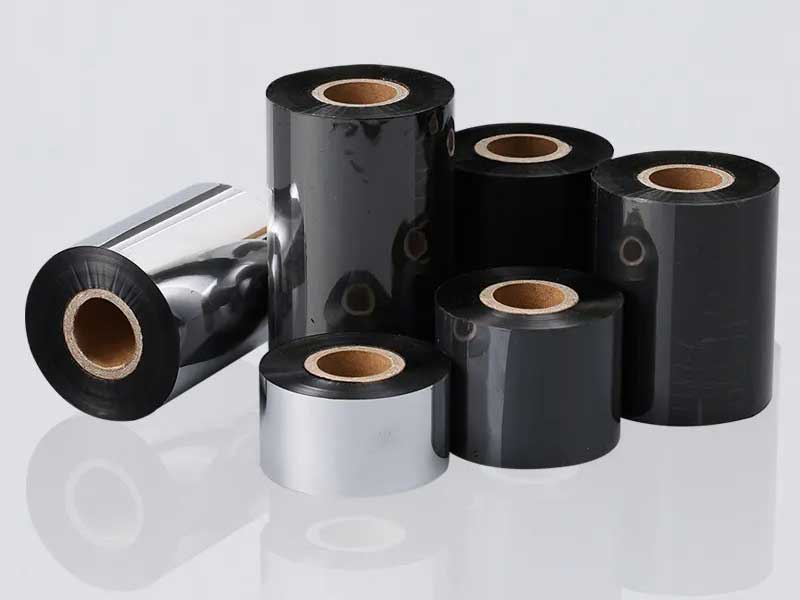
Software and data: the invisible moat
Hardware determines the lower limit, and software determines the upper limit.
Modern ribbon slitting machines are no longer independent equipment, but a node in the digital production network. MES system docking, real-time upload of production data, automatic retrieval of process parameters, these software capabilities are becoming a new technical moat.
For example, when producing a batch of medical wristband ribbons, the operator only needs to scan the master roll barcode, and the equipment will automatically call up the production parameters of the same batch last year to ensure a high degree of consistency in product quality. This ability of "experience digitization" allows the core competitiveness of enterprises to no longer rely on the craftsmanship of individual masters, but is precipitated in the system and data.
Epilogue
Ribbon slitting seems to be a small business, but it tests the dedication to "precision" and the awe of "details" everywhere. In this segment, the real moat is not how expensive a certain equipment is, but the ultimate pursuit of efficiency for every micron, every cow tension, and every second.
The reason why small slitting can bring big profits is precisely because of these invisible technology precipitations, which are finally transformed into stable quality visible to customers and reliable delivery guarantees.
Today, when industrial manufacturing returns to its essence, those enterprises that are willing to work hard in the "small" place can often reap the "big" future.
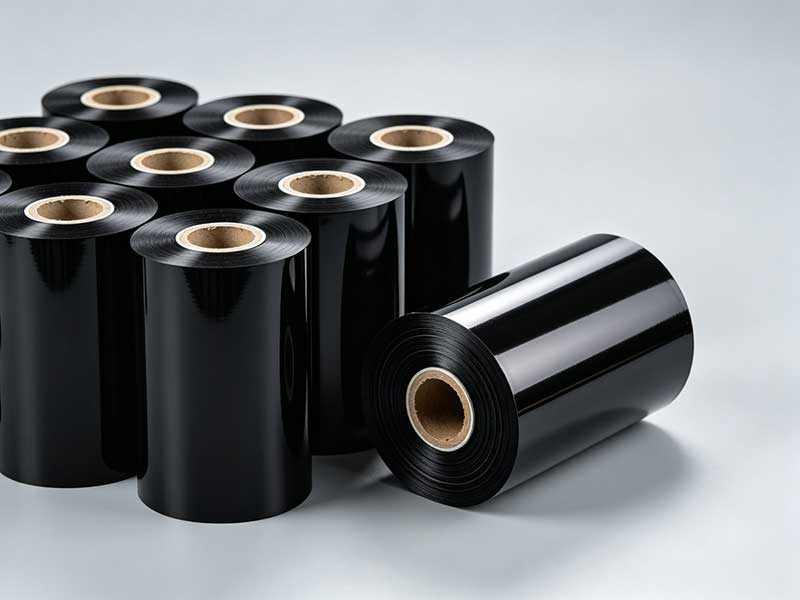
The widespread adoption of fully automatic ribbon slitting machines is changing this situation. Its core value can be summed up in six words: efficient, stable, and labor-saving.
22. October, 2026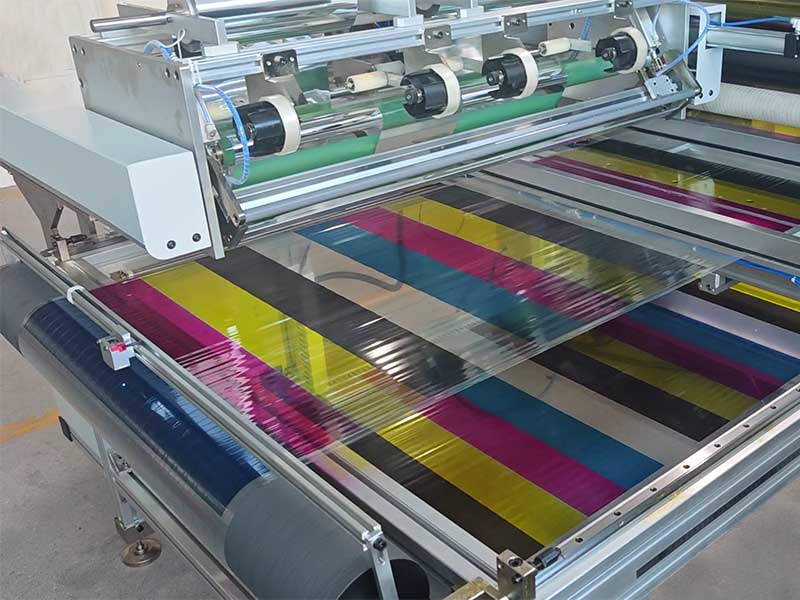
The color ribbon slitting machine is mainly used for wide roll slitting and rewinding of materials such as card printer color ribbons and thermal transfer ribbons.
21. October, 2026
This article will break down the technical core of this function from four dimensions: signal detection, control logic, shutdown strategy, and precision calibration.
19. October, 2026The value of the automatic correction function lies in incorporating this runaway variable into a precise closed loop, shifting slitting operations from "post-event selection" to "real-time self-heali
19. October, 2026This paper proposes a practical efficiency improvement plan from three dimensions: downtime management, switching optimization, and tension upgrade.
19. October, 2026


 English
 Deutsch
 Français
 Español
 Português
 日本語
日本語 русский
 한국어
한국어 عربي
عربي ภาษาไทย
 Tiếng Việt
 Italiano