
In the PET film processing industry, slitting machines are key equipment that connects production and delivery. If you choose the right one, you will have high production efficiency, low losses, and stable yield; if you choose the wrong one, it will not only affect the quality of delivery, but may also lead to frequent downtime, maintenance, and material waste.
So, in the face of a wide range of PET film slitting machines on the market, how to choose? The following 5 core parameters can help you quickly avoid common misunderstandings.
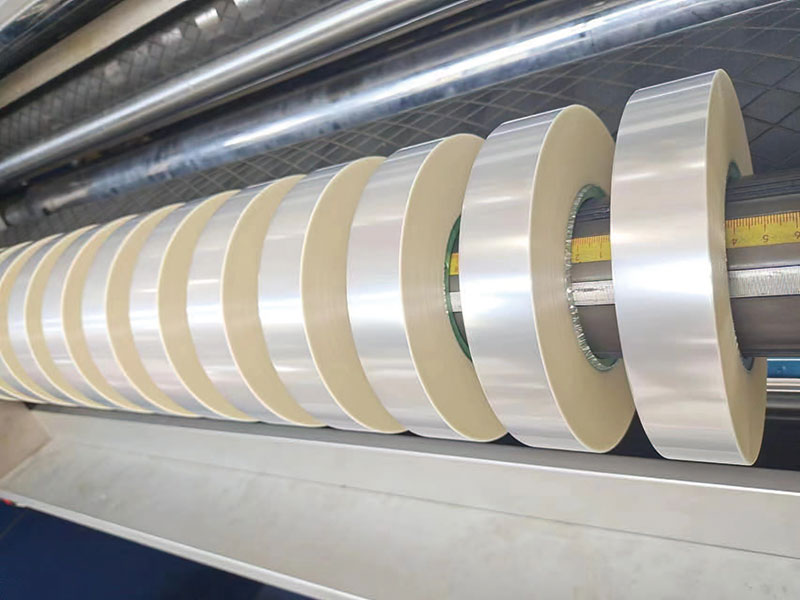
Parameter 1: slitting width and effective width
Why is it important?
The specifications of PET film are diverse, and the maximum slitting width of the slitting machine must match the width of your master coil and the specifications of the finished product. If you choose a small one, the large master coil cannot be put on the machine; if you choose a large one, the equipment cost and land occupancy will increase.
Suggestions for avoiding pitfalls:
• Confirm the maximum width of the current master roll and reserve the possibility of future expansion
• The effective slitting width should be at least 50-100mm larger than the width of the master coil, which is convenient for film threading and adjustment
• Be careful to distinguish between the "maximum width of the machine" and the "effective slitting width", which is the actual range available
Parameter 2: Slitting accuracy and tolerance control
Why is it important?
PET film has high requirements for dimensional accuracy, especially in electronics, optics, packaging, and other fields. If the slitting width tolerance is too large, it will be unusable for downstream customers, resulting in batch scrapping.
Suggestions for avoiding pitfalls:
• Ordinary packaging-grade PET film: Tolerance within ±0.5mm is basically available
• Industrial or electronic grade films: Tolerances ± 0.1mm or higher are required
• Ask about the accuracy and stability of the equipment after long-term operation, and do not just look at the optimal value advertised by the manufacturer
• Request for measured data or customer cases of similar materials
Parameter 3: Winding quality and tension control system
Why is it important?
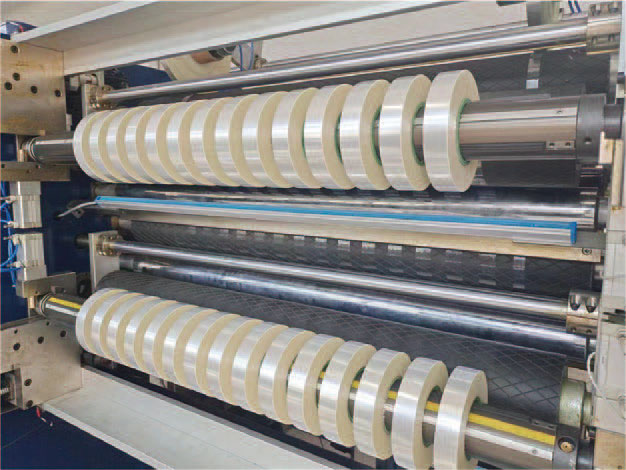
PET films are rigid and sensitive to tension. Poor tension control can lead to uneven winding, misaligned end faces, wrinkling, warping and even tensile deformation. Optical grade or thin PET (e.g. below 12μm) is particularly picky.
Suggestions for avoiding pitfalls:
• Prefer equipment with a closed-loop automatic tension control system over manual or open-loop control
• Know if the tension control range covers your usual thickness (e.g. 12μm~250μm)
• Check the material and pressure adjustment method of the winding roller to avoid indentation or slippage
• If slitting ultra-thin or highly transparent films, it is recommended to verify the winding end face neatness on the spot
Parameter 4: Blade type and ease of tool change
Why is it important?
PET film slitting is commonly used with circular knives, razors, or scissor blades. The type of blade directly affects the quality of the cut, the amount of dust generated, and the frequency of tool changes. The wrong knife type can result in burrs, white edges, or constant cutting.
Suggestions for avoiding pitfalls:
• Thin PET (≤50μm): Razor type is preferred, with neat cuts and less dust
• Thick or rigid PET (> 100μm): Circular knife shearing type is recommended, with high cutting force and durability
• Ask if tool changes require special tools or long downtime that can affect productivity
• Pay attention to blade life and consumable parts prices, some equipment blades are cheap but are frequently replaced
Parameter 5: Running speed and acceleration and deceleration performance
Why is it important?
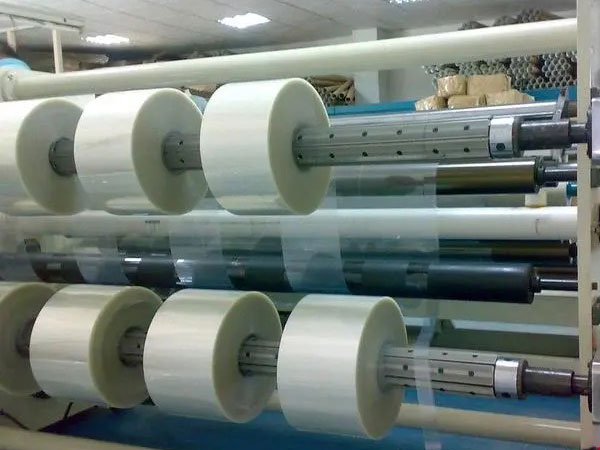
Speed determines the production capacity of a single machine, but blindly pursuing high speed can easily ignore the stability of the film during acceleration and deceleration. Many quality problems occur precisely in the start-up and stopping stages.
Suggestions for avoiding pitfalls:
• Conventional PET slitting: 200~400m/min can meet most small and medium-scale production
• Mass processing: more than 500m/min can be considered, but stable unwinding and unwinding tensions are required
• Focus on low-speed stability and acceleration and deceleration times rather than just top speed
• Demonstration of slitting effects at different speeds, especially in the starting and stopping sections, is required
Three reminders outside of selection
1. Don't neglect after-sales service: Slitting machines need to be debugged, changed and calibrated regularly. Whether the manufacturer can respond within 48 hours when you have a demand is very critical.
2. Look at second-hand equipment on the spot: If you have a limited budget to buy second-hand equipment, be sure to try cutting with materials, focusing on checking the wear of the tool holder, the accuracy of the tension sensor, and the runout of the rewinding shaft.
3. Keep the test cut report: Before placing the official order, provide your typical PET film for the manufacturer to try cutting, and keep the sample roll and report as the basis for acceptance.
Summary
Choosing a PET film slitting machine, to put it bluntly, is "sufficient width, accuracy, stable tension, suitable knife shape, and reliable speed". If you understand these five parameters thoroughly, combined with your own product positioning and output needs, you can avoid most of the selection pitfalls.
The last piece of advice: don't just look at the price. A slitting machine with stable accuracy and low failure rate often earns back the extra money by saving materials, labor, and rework within half a year.
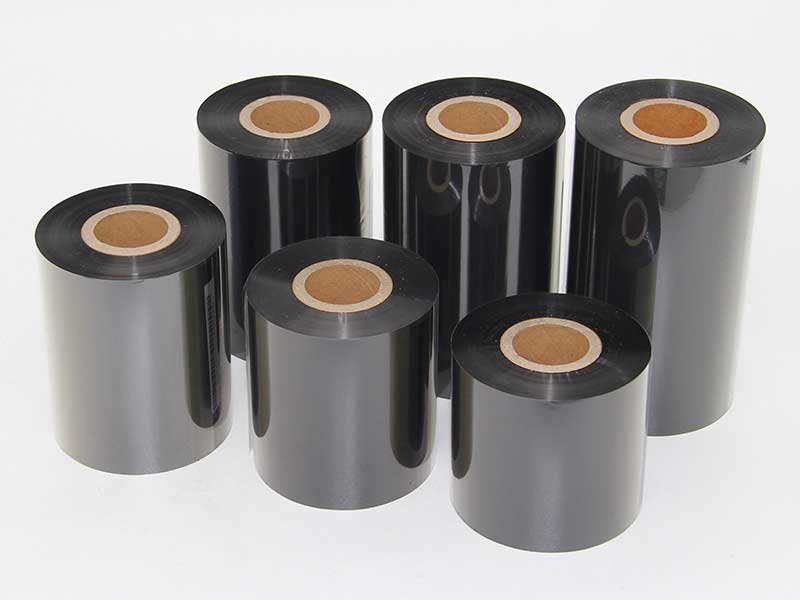
This article reviews the core considerations in selection from dimensions such as accuracy, speed, hardware configuration, flexible production adaptation, and manufacturer evaluation.
01. September, 2026This article systematically reviews the key points for selecting a PET film slitting machine, covering core parameters, common misconceptions, and practical validation.
20. August, 2026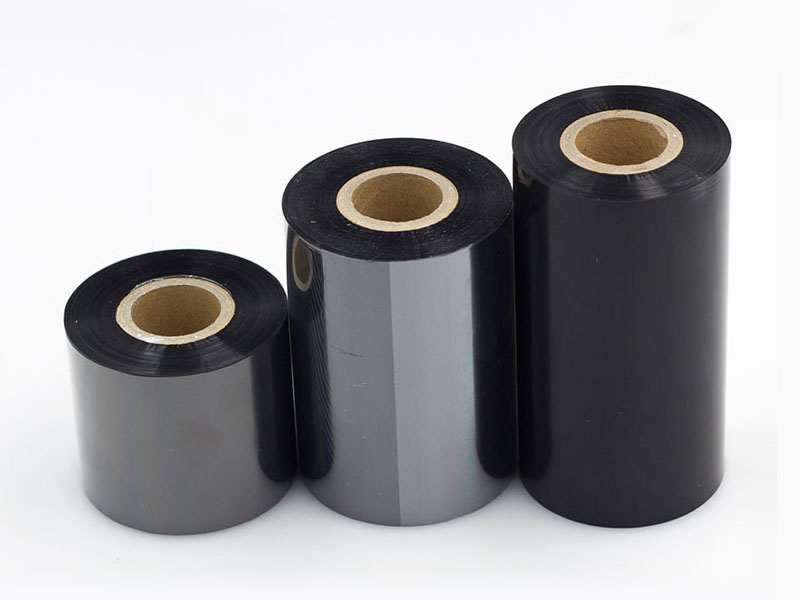
Its cut quality directly determines whether the barcode is clear, whether the print head is damaged, and whether the logistics label can flow smoothly.
19. August, 2026Faced with the dazzling array of models on the market, how can you clear away the spec fog and make wise decisions?
31. July, 2026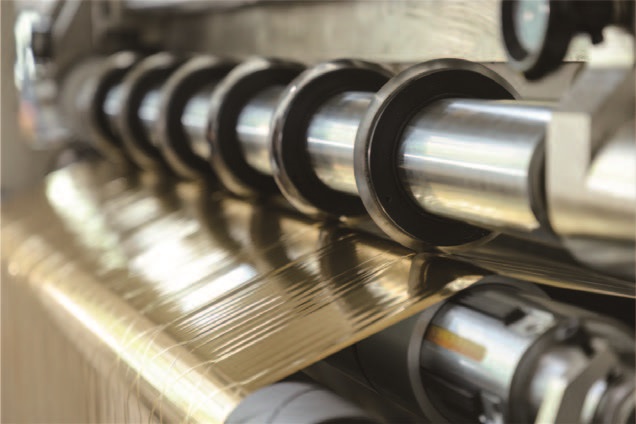
One wrong step and losing not just a roll of materials, but the quality of an entire batch of high value-added products.
23. July, 2026


 English
 Deutsch
 Français
 Español
 Português
 日本語
日本語 русский
 한국어
한국어 عربي
عربي ภาษาไทย
 Tiếng Việt
 Italiano