
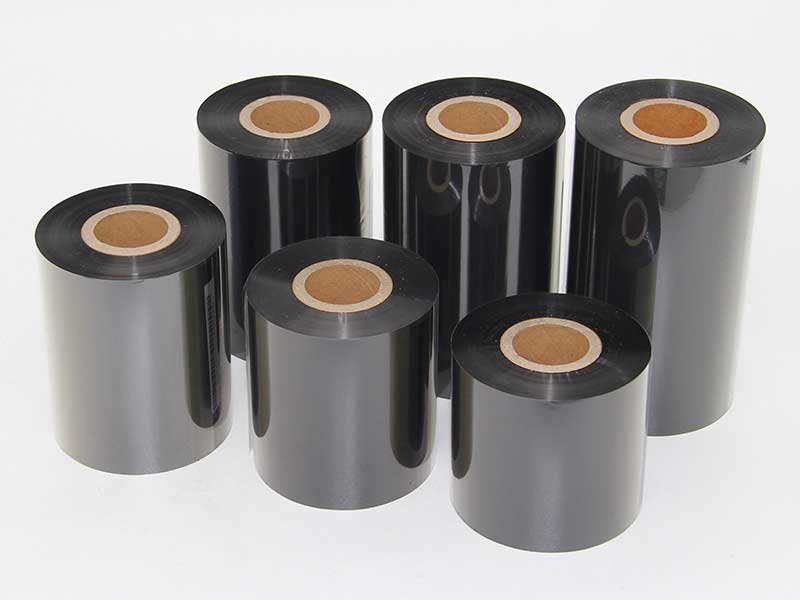
Thermal transfer ribbons consist of an ultra-thin PET base film, heat-resistant coating, and ink layer, with a total thickness typically between 4.5 and 20 microns. Slitting is the final and most critical process that determines the quality of the finished product—a mismatched slitting machine may cause edge burrs to damage the print head, excessive width tolerances causing print displacement, or even uneven winding tension that may cause ribbon breakage.
This article will provide a complete guide from model selection, installation, commissioning to commissioning.
1. Model selection: focus on three core parameters
Faced with slitting machines of different brands and configurations on the market, focusing on the following three core indicators allows quick judgment of whether the equipment meets basic needs.
1. Slitting precision: the lifeline of quality
Slitting accuracy directly determines the width consistency and edge quality of the finished ribbon, making it the primary indicator for evaluating equipment performance.
| Accuracy grade | Tolerance range | Applicable scenarios |
| Ordinary level | ±0.5mm | Conventional commercial labels, logistics labels |
| High precision | ±0.1mm | Precision electronic tags, general industrial applications |
| Ultra-high precision | ± within 0.05mm | Medical labels, ultra-narrow ribbon (<10mm) |
Insufficient precision can cause ribbon edges to be rough, tape slip offset, tape clips, or even break during printing. When selecting models, prioritize equipment equipped with servo-controlled tension systems and high-rigidity tool holder structures, and require manufacturers to provide actual slitting sample test data rather than just looking at theoretical values on the parameter table.
2. Slitting speed: The measure of efficiency
Slitting speed determines output per unit time, but you can't just look at the nominal maximum speed.
| Speed rating | Scope | Applicable scenarios |
| Low-speed economy model | 50–100 m/min | Small batch, multi-variety production |
| Medium-speed universal model | 150–250 m/min | Most commercial orders |
| High-speed production model | 300–500 m/min | Mass continuous production |
wax-based ribbons. Be sure to conduct on-site trial cutting using the ribbon specifications you actually use, and observe the start-stop control and winding effects at high speeds.
3. Roll neatness: A key metric that is often overlooked
The neatness of winding directly affects the smoothness of the back-end packaging and the printer's tape flow. End face deviation should generally be controlled within ±1mm, and for high-end equipment, it can reach ±0.5mm.
Common Issues Manifest:
◦ End face features a "bell-mouth" shape
◦ The edges are "jagged"
◦ Wrinkles appear inside
The root of these problems mainly lies in inadequate tension control systems and correction devices. When selecting models, choose models equipped with closed-loop tension control + active deviation correction.
2. Device Type: First, clarify your positioning
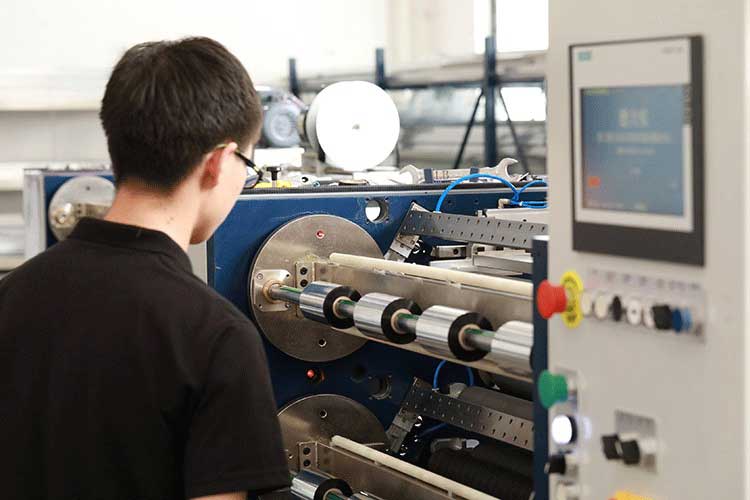
According to different dimensions, ribbon slitting machines can be divided into the following types:
Segmented by Applied Materials:
• TTR ribbon slitting machine: suitable for conventional barcode printing ribbons, mainstream in the market
• TTO ribbon slitting machine: Designed for hot-transfer coding ribbons, with higher precision and tension control requirements
By degree of automation:
• Manual/semi-automatic models: Suitable for small-batch, multi-variety production, low investment threshold, relies on manual operation
• Fully automatic model: Capable of automatic feeding, automatic flipping and rewinding, and automatic film application, suitable for large-scale continuous production
By production scale:
• Small slitting rewinder: width within 500mm, speed below 200m/min, flexible functions
• Large/automatic slitting machine: effective width up to 1000mm, speed up to 500m/min, suitable for mass production
Classified by tool type configuration:
• Square blade (razor type): suitable for thin ribbons under 70μm, with high edge uniformity
• Round Blade (Scissor Type): Suitable for thick materials over 100μm and ribbons with paper backing, highly durable
3. Key points to avoid pitfalls when choosing a model
1. Tension Control: The "Soul" of the Equipment
Tension control is the core technical challenge in ribbon slitting, and is even called the "soul" of slitting machines in the industry. Unstable tension can cause the membrane to be overly tight (tension deformation, belt breakage) or too loose (coil loosening and movement), which is the primary cause of defective products.
It is recommended to choose a fully automatic closed-loop tension control system to monitor and adjust tension in real time at each stage of unwinding, traction, and rewinding.
2. Winding shaft configuration: The slip shaft is a must-have
For high-end ribbons and multi-specification production, slip shafts are a must-have. Each winding unit is equipped with an independent slip ring that can adjust torque in real time according to changes in the roll diameter, effectively solving the issues of "loose inside, tight outside" or "core core." Pneumatic slip shafts have higher control accuracy than mechanical ones, making them suitable for production scenarios where specifications are frequently switched.
3. Frame and core components: determine long-term durability
The thick frame effectively absorbs vibrations during slitting, ensuring long-term stability of precision. Priority should be given to equipment using high-strength cast iron or thick steel frames. Brands of bearings and guide rails (such as THK, NSK, INA) are also worth noting—these details determine the equipment's ability to maintain precision even after years of high-speed operation.
4. After-Sales Service: The Most Important "Insurance"
Equipment inevitably requires maintenance and commissioning, and the supplier's technical support capabilities directly determine the post-production experience. Confirm whether the supplier provides services such as: installation and commissioning guidance, operational training, troubleshooting response, regular maintenance, remote support, and more.

4. Installation and commissioning process
Preliminary preparation
1. Equipment Acceptance: Verify that the equipment model and accessory list match the contract, and check whether the equipment's appearance is damaged during transportation
2. Site requirements: Flat ground (levelness ≤0.1mm/m²), load-bearing capacity meeting standards (usually ≥ 2 tons/m²); Ambient temperature and humidity should be controlled at 20±5°C, humidity at 40%~60% (to avoid static electricity and material deformation); Power supply configuration is 380V three-phase power
3. Tools and consumables: Prepare micrometers, tensiometers, dust-free cloths, alcohol, etc
Installation process
1. Positioning and fixing: Use a laser level to adjust the equipment base and secure it with expansion bolts
2. Roller Shaft Installation: Sequentially install the unwinding roll, traction roller, slitting cutter set, and winding shaft, and confirm the parallelism of each roller (error ≤0.05mm).
3. Blade assembly: For slitting with circular blades, adjust the blade overlap (usually 10%~20% of the ribbon thickness); Flat blade slitting requires a blade gap
Commissioning steps
1. No-load test: Start the equipment and gradually increase speed to the maximum design speed, observe vibration (≤0.1mm) and noise (≤75dB)
2. Trial cutting with material:
◦ Cut at low speed (10m/min) for 100 meters, check for burrs on slitting edges (≤0.02mm is qualified)
◦ High-speed (200m/min) cutting 500 meters to verify winding uniformity (end-face off-layer ≤±0.5mm)
Solving common problems
| Problematic phenomena | Possible reasons | Solution |
| The rolled edges wrinkle | Uneven tension / insufficient air pressure | Check the air pressure (≥0.6MPa) and recalibrate the tension roller |
| The cut surface is burred | Blade dullness/excessive clearance | Replace the carbide blade and adjust the gap |
| The ribbon has deviated | Low sensitivity for correction | Adjust the photoelectric sensor threshold and clean the guide roller |
5. Commissioning Acceptance and Efficiency Optimization
Acceptance criteria
1. Continuous operation test: 8 hours of full-load production, record fault count (target MTBF ≥500 hours)
2. Finished product inspection: sampling to check slitting width, roll diameter, and appearance (no scratches or oil stains).
3. Operation Training: Key training on parameter settings, emergency shutdown procedures, and daily inspection checklists
Efficiency optimization suggestions
• Automation upgrade: Equipped with a CCD visual sorting system, defect detection rate can reach over 99.9%.
• Preventive maintenance: lubricate the guide rails every 500 hours and replace the servo motor encoder battery every 2000 hours
• Formula management: The equipment should be able to store process parameters for hundreds or thousands of products, allowing direct recall when producing the same order again, eliminating human error
Final reminder: No matter how beautiful the spec sheet is, it is strongly recommended to conduct on-site trial cutting with your own ribbon roll before purchasing. Key focus: edge quality under different widths, winding stability during high-speed starts and emergency stops, and consistent quality during continuous operation.
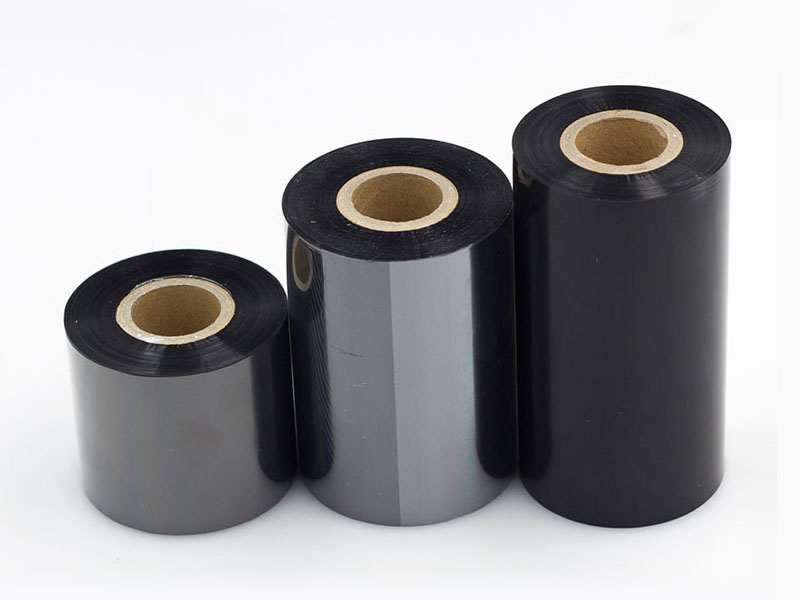
The coating formula, base film characteristics, and physical specifications of the ribbon directly affect the suitability and yield of the slitting machine.
09. October, 2026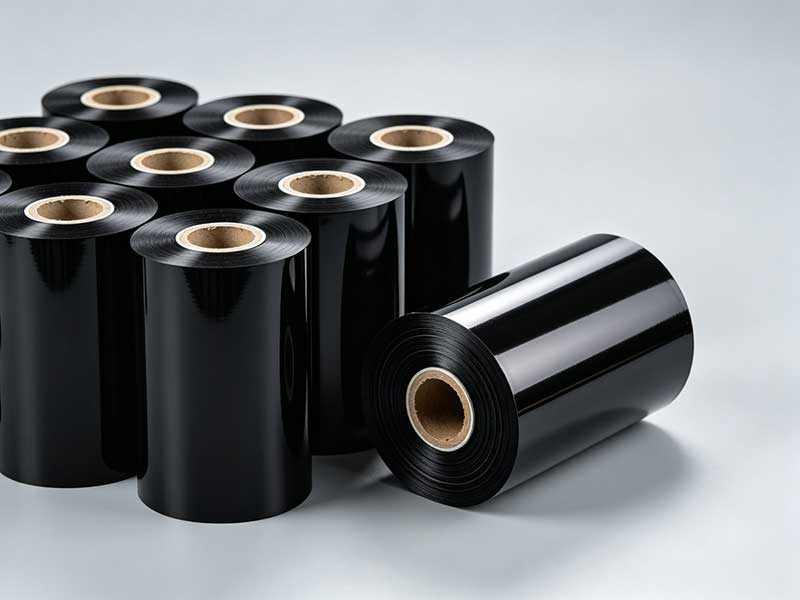
The core function of a ribbon slitting machine revolves around three dimensions: "precise cutting, stable rolling, and fast running."
09. October, 2026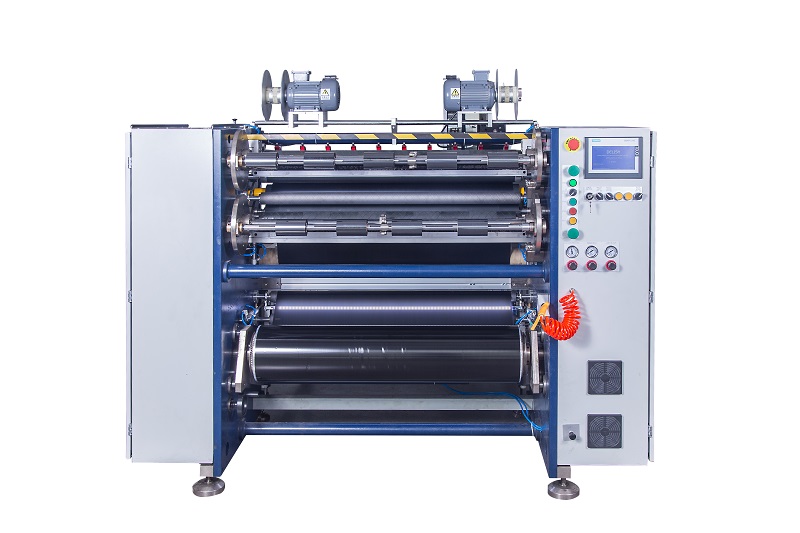
This article starts from actual usage scenarios to outline a clear selection approach.
09. October, 2026The essence of uneven end faces in ribbon slitting machines is an external manifestation of subtle imbalances between tension, parallelism, correction, and tool condition.
05. October, 2026To solve this problem, a systematic inspection is needed from four dimensions: tension control, mechanical precision, auxiliary systems, and operating standards.
05. October, 2026


 English
 Deutsch
 Français
 Español
 Português
 日本語
日本語 русский
 한국어
한국어 عربي
عربي ภาษาไทย
 Tiếng Việt
 Italiano