
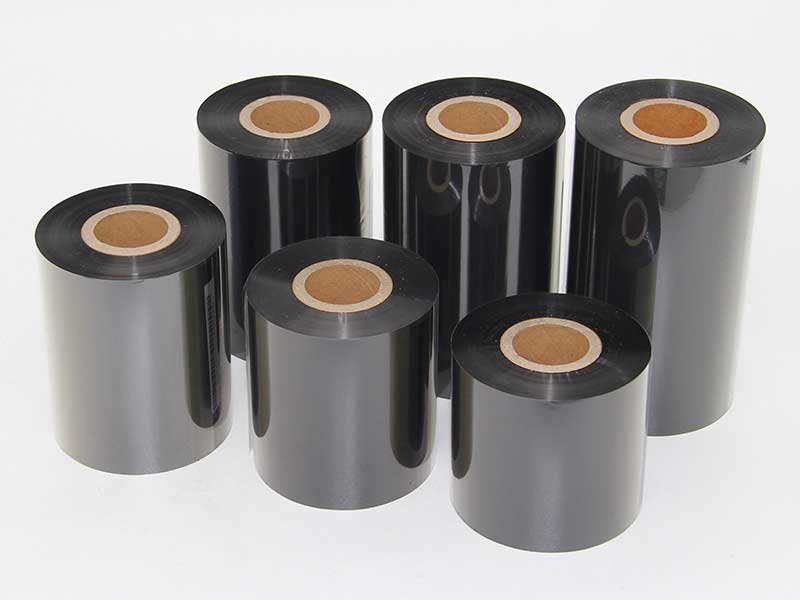
In the barcode ribbon production and processing stage, the slitting machine is the core equipment that converts wide-width master rolls into finished rolls compatible with different printer specifications. A durable slitting machine must not only ensure current slitting quality but also continuously and stably produce qualified products under years of intensive operation. Choosing such equipment requires a comprehensive evaluation of precision, mechanical design, tension control, and intelligence level.
1. Precision and Speed: The fundamental indicators for balancing capacity and quality
Slitting accuracy is the primary and essential metric for measuring equipment performance. The standard error range usually needs to be controlled within ±0.1mm, with high-precision models reaching up to ±0.05mm. Insufficient precision directly leads to ribbon edge frizz, which in turn causes tape or breakage issues during barcode printer use. The most reliable verification method before purchase is to request the supplier to provide sample slitting tests, measuring the deviation between the slitting width and the set value.
The slitting speed must match production capacity demands. Standard models operate at speeds of 10-30 meters per minute; large production lines can choose high-speed models above 50 meters per minute, with some equipment reaching speeds up to 500 meters per minute. However, it should be noted that speed and precision often have trade-offs—excessively fast speeds may sacrifice edge flatness, while small and medium-sized enterprises choosing medium speeds (about 20 meters per minute) is actually a pragmatic choice balancing efficiency and quality.
2. Mechanical Structure: The physical foundation that determines the lifespan of equipment
The durability of the equipment is first reflected in its mechanical structure. The body preferably features an all-steel frame or aluminum alloy structure to avoid the risk of deformation of plastic components over time. Key components such as tool holders and guide rails require hardened steel or ceramic materials to enhance wear resistance. When evaluating equipment, the heavy rack effectively absorbs slitting vibrations—gently pushing the equipment by hand to feel its stability is often an intuitive and effective way to judge.
The cutting system directly affects slitting quality and consumable costs. Round blades are better suited for high-speed slitting than flat blades and require replaceable or self-grinding blade designs. Servo motor drives are more stable than stepper motors and are less likely to lose steps during long-term use. The core roller must achieve a dynamic and static balance rating of G2.5 or higher, with surfaces treated with hard anodizing or hard chrome plating to prevent scratching the ribbon coating.
3. Tension Control: The soul system that ensures product consistency
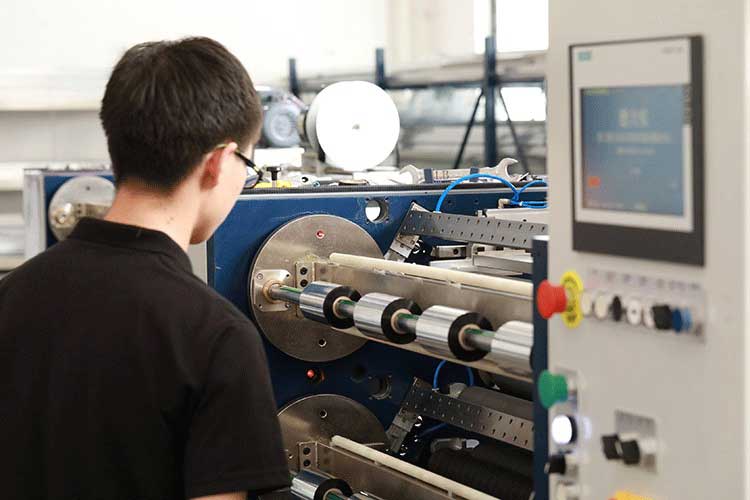
Tension control is the most critical implicit indicator in the slitting process. The fully closed-loop tension control system uses sensors to provide real-time feedback and adjust tension, maintaining constant tension regardless of changes in unwinding diameter or how violent the start and stop become. This is especially important for thin ribbons—excessive tension causes material stretching and deformation, while too low tension leads to uneven winding and overlapping.
Segmented tension control is a more advanced design, with independent control units set up in the unwinding, intermediate traction, and rewinding zones to create smooth transitions. The winding section uses taper tension control, gradually reducing tension as the diameter increases, effectively preventing the large rolled finished "choy sum" from being crushed. Replacing traditional magnetic powder clutches with servo motors as actuators offers faster response, lower heat generation, and lower failure rates.
4. Automation and intelligent functions: soft power to enhance long-term stability
Automation features directly reduce the uncertainty brought by human intervention. The automatic deviation correction system uses photoelectric sensors to ensure that materials do not deviate during slitting. Some standards require an alarm if the error exceeds 0.5mm. The touchscreen human-machine interface supports parameter presets and fault diagnosis. Different ribbon specifications (width, material, tension values) can be called with one click, avoiding batch differences caused by manual repeated adjustments.
Predictive maintenance is a trend characteristic of next-generation devices. By monitoring the health status of key components in real time through vibration, temperature, and acoustic sensors, AI algorithms provide early warnings before faults occur, transforming passive maintenance into proactive intervention. Advanced models can also create a digital archive for each finished product, recording process parameters such as tension curves, speed, and tool wear during slitting, enabling precise traceability of quality issues.

5. Selection Recommendations and Comprehensive Evaluation
When choosing a durable slitting machine, it is recommended to follow these steps:
1. Clarify requirements: Determine the type of slitting material (wax-based, blended, or resin-based), daily production capacity, and determine whether a high-speed model is needed.
2. On-site testing: Suppliers are required to provide sample machine trial cutting, running continuously for more than 4 hours to observe slitting effects and equipment stability.
3. Comprehensive scoring: It is recommended to evaluate comprehensively based on 40% performance, 30% price, and 30% service, avoiding purely pursuing low prices.
High-quality slitting machines typically have a service life of 8-10 years. If budget is limited, prioritize ensuring precision and core component materials, and appropriately compromise speed or overly intelligent features. Reliability has never been a single metric; it is a comprehensive reflection of mechanical structure, electrical systems, control accuracy, and environmental adaptability.
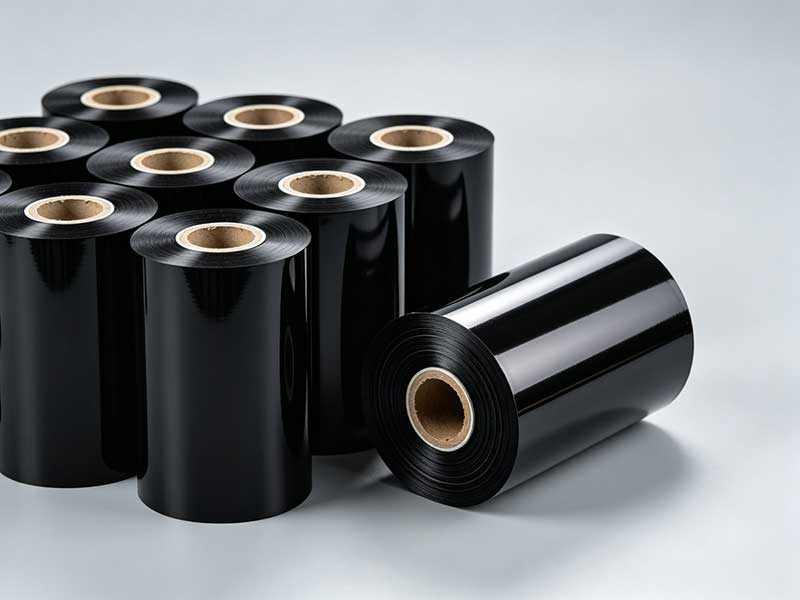
When a roll of perfectly slitted ribbon is loaded into the printer, smoothly moving along the tape and transferring clearly the print, the value of the slitting process quietly becomes realized.
17. October, 2026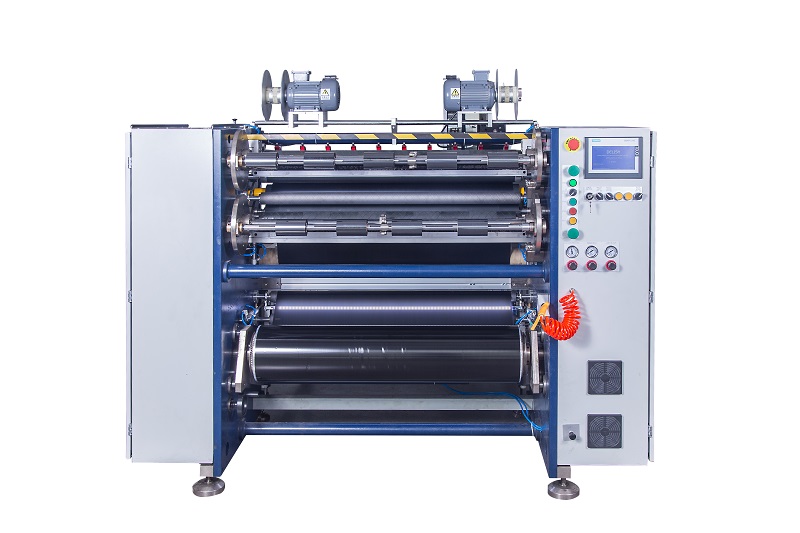
The barcode ribbon slitting machine can not only cut and heat transfer ribbons; it is a precision device designed and optimized for this task.
14. October, 2026Currently, mainstream barcode ribbon slitting machines on the market generally support slitting processing of the following three main types of ribbon materials.
14. October, 2026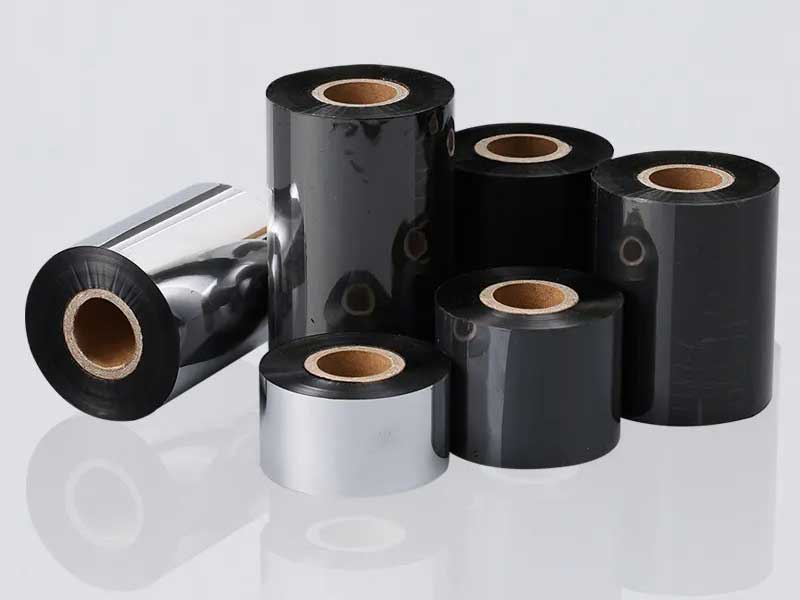
Below is a customized requirements clarification framework for purchasers, helping you turn requirements into actionable solutions in language engineers can understand.
14. October, 2026the key to choosing a model is not to pursue the "highest configuration," but to find a balance that matches your own business.
12. October, 2026


 English
 Deutsch
 Français
 Español
 Português
 日本語
日本語 русский
 한국어
한국어 عربي
عربي ภาษาไทย
 Tiếng Việt
 Italiano