

The slitting effect of the slitting machine for paper is very good, but there are still many types of slitting machines, and different types are used in different situations, so there are many points to consider when designing the slitting machine.
1. The elements of the product modeling design of the slitting machine: the morphological elements and characteristics, in line with the aesthetic rules of the product modeling, from the three-dimensional composition of the form, unity and change, comparison and harmony, balance and symmetry, stability and lightness, proportion and scale, etc.
2. Confirm the specific design requirements and parameters, and list the technical requirements that need to be clarified as follows: voltage, power, machine size, speed, range, etc. of the slitting machine. Clarify and specify specific detailed data according to the above requirements. For example, what is the commonly used voltage and what is the power, these are all things that need to be clarified.
3. After the above specific functions and parameters are clear, it is to begin to enter the next step: slitting machine experiment, functional test, functional adjustment, whether the specific test design requirements and parameters are really feasible, appropriate adjustment and improvement, and perfect equipment so as to be humanized in use.
4. After confirming its function, testing the function, adjusting the function and perfecting the plan, it is the appearance design.

The first watershed in choosing a model isn't speed or brand, but rather — which type of ribbon do you mainly cut?
23. September, 2026
When asking suppliers the following seven questions, the quality of the answers is far more valuable than the numbers on the parameter table.
21. September, 2026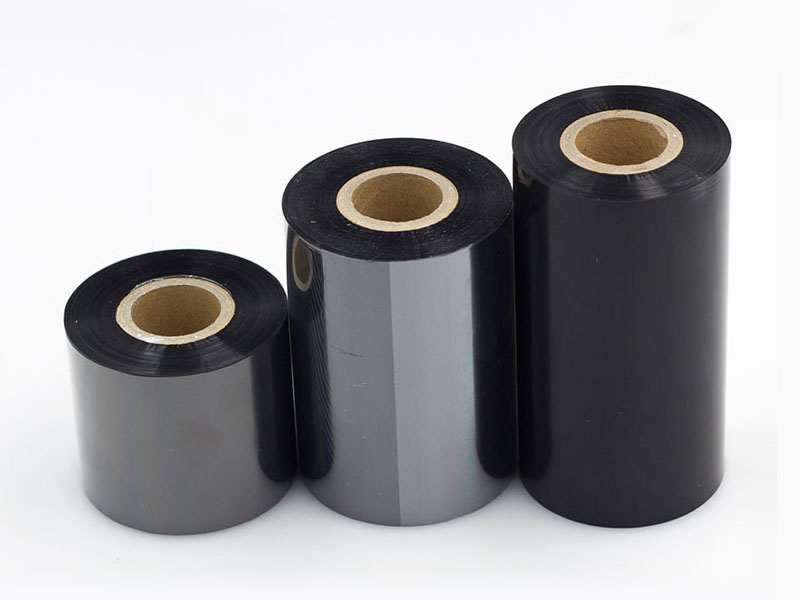
This guide explains what buyers need to know about each parameter—not just the numbers, but the practical implications for production quality, material compatibility, and total cost of ownership.
18. September, 2026This guide distills the technical specifications and practical considerations that separate production-ready machines from costly mistakes.
18. September, 2026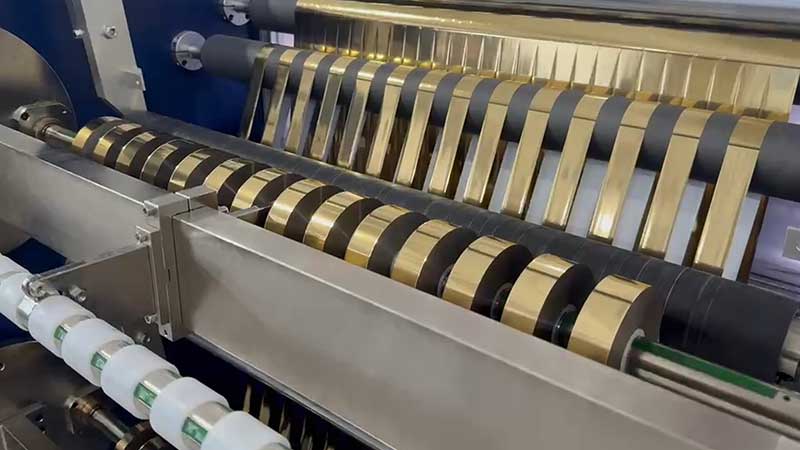
This guide breaks down the critical factors—from tension control to automation—to help you make an informed capital investment.
14. September, 2026


 English
 Deutsch
 Français
 Español
 Português
 日本語
日本語 русский
 한국어
한국어 عربي
عربي ภาษาไทย
 Tiếng Việt
 Italiano