
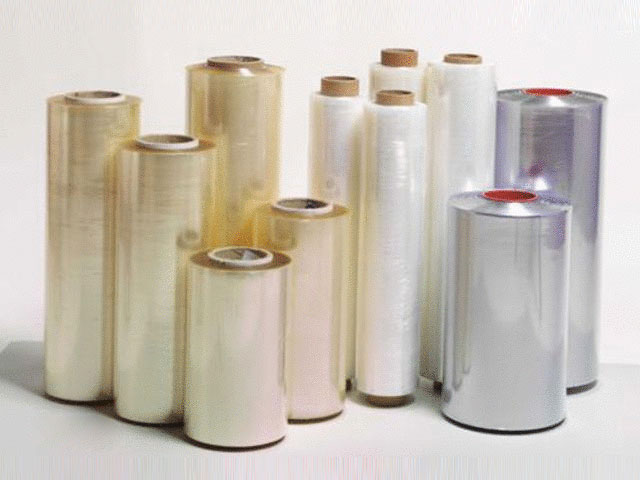
The winding tension control methods of the slitting machine include equal torque tension control, constant tension control and taper tension control.
In the case of constant winding torque, the tension gradually decreases with the increase of the diameter of the membrane ring, which is easy to loosen the membrane ring. In addition, as the winding diameter increases, the mass increases, and it is difficult to drive the film coil with a small torque, so it is not suitable for winding materials with a large diameter under the same torque conditions.
Constant tension is to ensure that the tension is always unchanged in the process of winding, suitable for small diameter winding, the disadvantage is that the tension is too small because the winding is too loose and easy to eccentricity, and the tension is too large to damage the paper core.
The taper tension control is more flexible, and the taper coefficient, diameter, initial torque and other parameters can be set according to different materials, so that the tension can be gradually reduced according to a certain range, and the membrane slippage phenomenon can be prevented due to the over-winding of the inner layer.
In addition, the taper value can be set to 0 for constant tension control. Different slitting machine manufacturers have different control algorithms for the tension taper, and improper taper setting is likely to cause the core to be too tight and wrinkled, resulting in unnecessary waste in production. The window sash machine needs to wind film rolls with a larger diameter and heavier quality, and must first ensure that there is enough torque. When setting the taper, it is necessary to consider factors such as film thickness, ductility, stability, and speed. If the taper coefficient is too large, the hard outside near the core is too loose, and the tension changes too drastically, which will make the film layer easy to slip and form a deflection roller phenomenon. The taper coefficient is too small, the film is too tight, and the internal stress gathers to form a chrysanthemum line, which affects the product quality. Through practice, the output effects of various taper were analyzed and summarized, and different tension taper control methods were formulated according to different material characteristics to meet the process requirements of various film manufacturers.
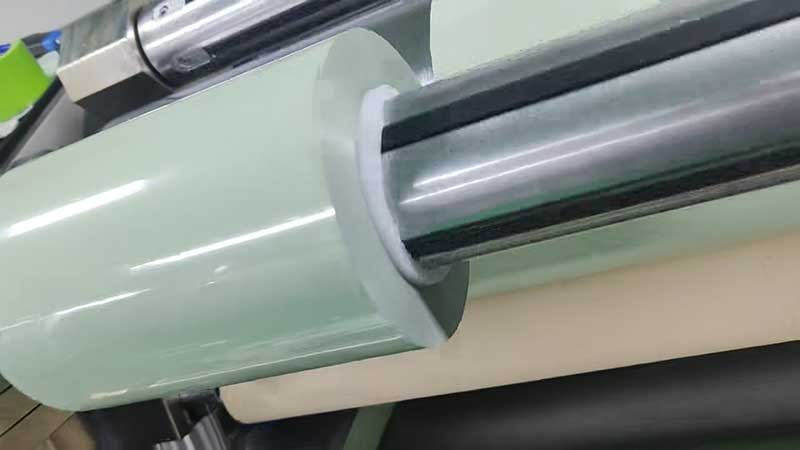
This article outlines a clear selection approach from four dimensions: material adaptation, core technical parameters, efficiency and cost, and supplier selection.
09. September, 2026Balancing speed and precision in film slitting machines is essentially a test of "control capability."
02. September, 2026This article will delve into the current application status, core technologies, and development trends of this equipment in the new energy sector.
28. August, 2026the film slitting machine is the core equipment for slicing wide, large rolls into narrow rolls of specific specifications.
26. August, 2026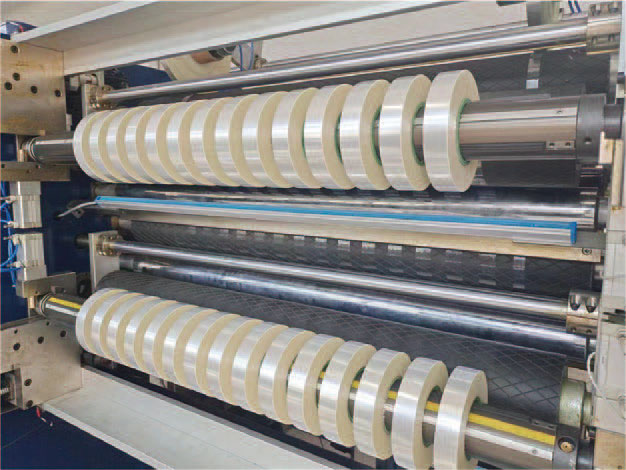
Tension control technology for thin film slitting machines involves interdisciplinary integration of control theory, mechanical design, and material mechanics.
26. August, 2026


 English
 Deutsch
 Français
 Español
 Português
 日本語
日本語 русский
 한국어
한국어 عربي
عربي ภาษาไทย
 Tiếng Việt
 Italiano