
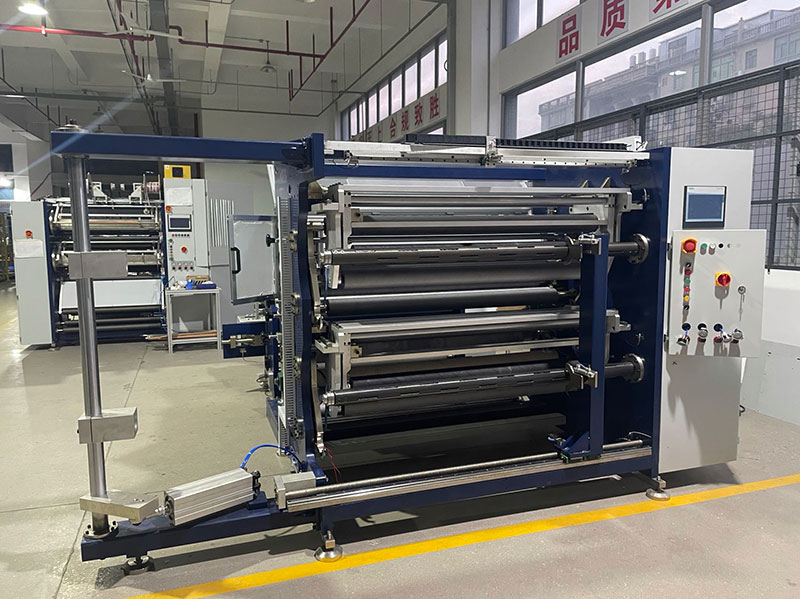
The cutting tool of the material processing industry reveals the important position of this mechanical equipment in modern industrial production.
Slitting machine, as a fast and accurate cutting tool, is widely used in pharmaceutical, paper trade, non-woven fabrics, wire and cable, printing and packaging and new energy and other fields.
In the pharmaceutical industry, high-speed slitting machines ensure the tightness and safety of pharmaceutical packaging films, maintaining high standards of hygiene. In the field of paper processing, the slitting machine improves the efficiency and accuracy of paper cutting to meet the needs of large-scale production. For films, mica tapes and insulating materials, the flexibility and customization capabilities of the slitter ensure that the diversity and complexity of material handling requirements are met.
At the technical level, the slitting machine integrates advanced electronic control and automation technology, such as PLC programming, servo drive system, and precision tool and tension control system, which not only improves the cutting speed and accuracy, but also adapts to the needs of different material characteristics. In recent years, with the integration of the Internet of Things and artificial intelligence, the slitting machine is developing in a more intelligent and energy-saving direction, realizing remote monitoring, fault warning and self-optimization.
To sum up, as a cutting tool in the material processing industry, the slitting machine has become a key factor in promoting industrial upgrading and improving production efficiency by virtue of its fast, accurate and flexible characteristics. With the continuous innovation of technology, the future slitting machine will be more intelligent and customized, contributing to the good quality development of the global manufacturing industry.
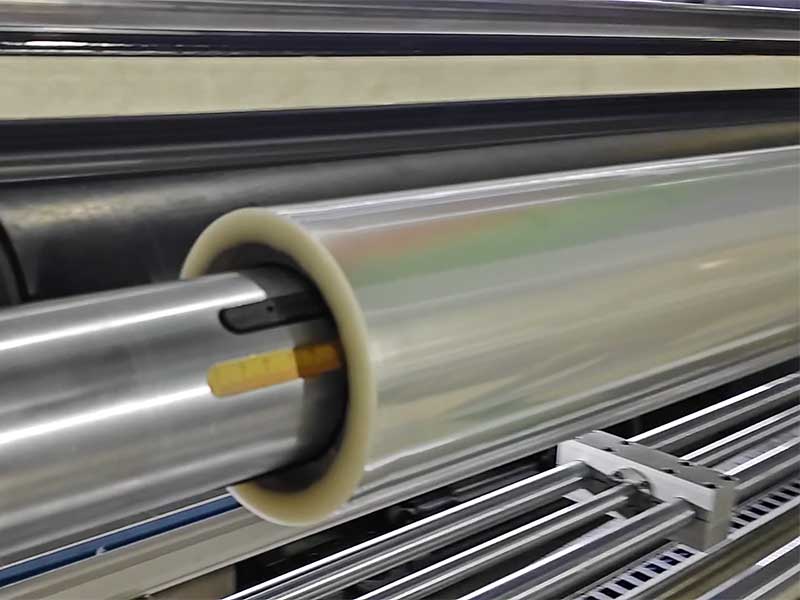
High-precision slitting machines protect film performance within seconds through precise control of blade, tension, and positioning in an integrated manner.
25. August, 2026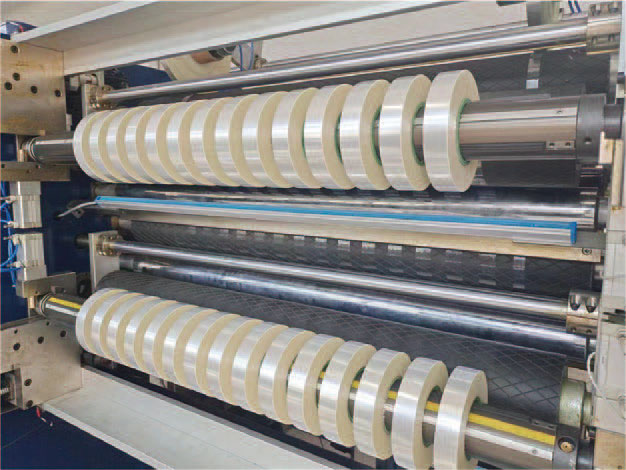
Faced with the dazzling array of models on the market, how can you clear away the spec fog and make wise decisions?
31. July, 2026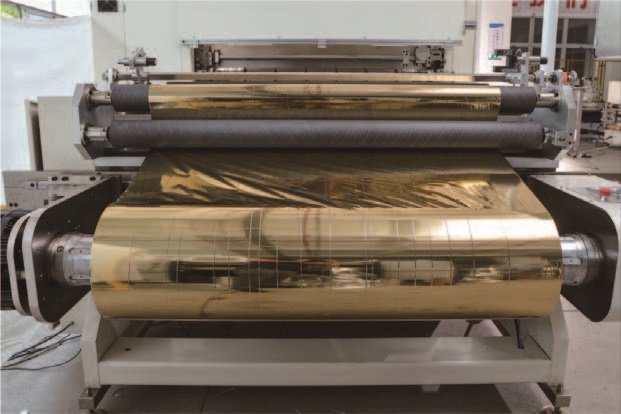
This new upgrade of the hot stamping foil slitting machine is essentially a value reshaping of the industry chain centered on precision, efficiency, and intelligence.
30. July, 2026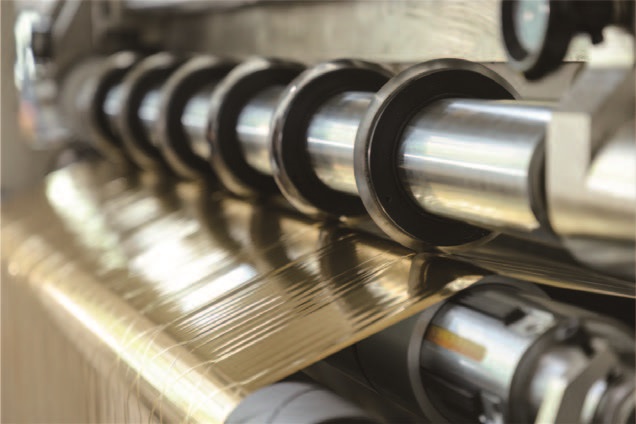
hot stamping foil slitting machines are comprehensively upgrading from traditional "cutting and fast cutting" to "precise, stable, and economical."
27. July, 2026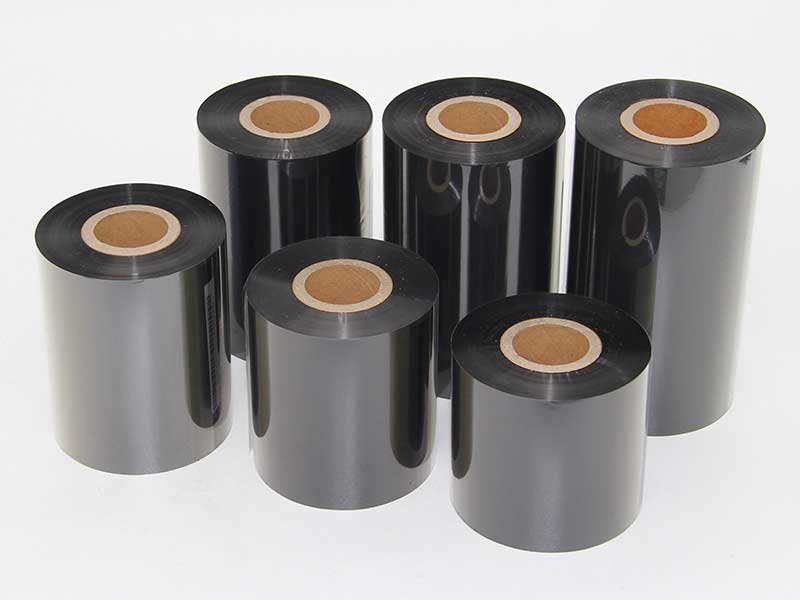
A good ribbon slitting machine is essentially a long-term investment in product quality.
27. July, 2026


 English
 Deutsch
 Français
 Español
 Português
 日本語
日本語 русский
 한국어
한국어 عربي
عربي ภาษาไทย
 Tiếng Việt
 Italiano