
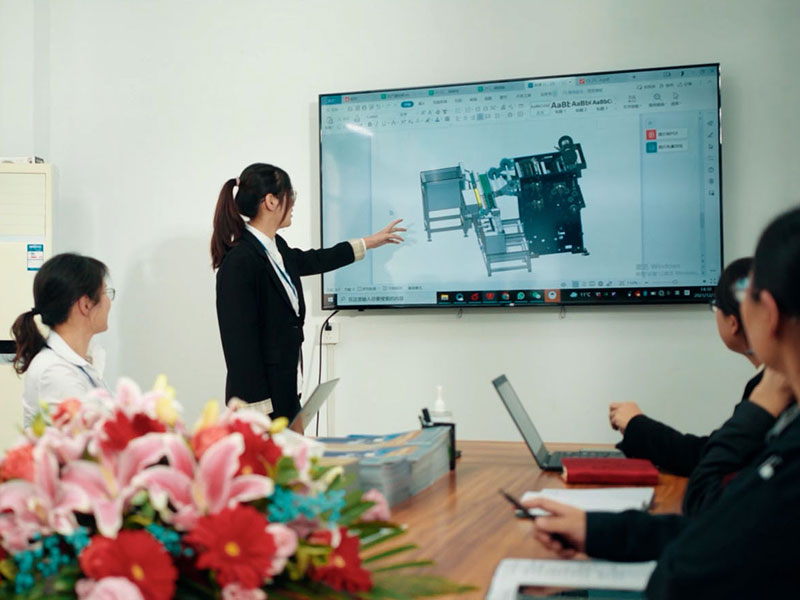
Slitter is a key industrial equipment that is widely used in the precise cutting and processing process of various materials. It is able to cut raw materials or semi-finished products to the required size and shape to meet the production needs of different industries. The following is an introduction to the main applications of the slitting machine and its technical characteristics:
1. Applications:
- Packaging industry: used to cut various packaging materials, such as plastic film, paper, aluminum foil, etc., to produce various packaging bags, packaging boxes, etc.
- Printing industry: used to cut printed materials, such as labels, advertising backgrounds, stickers, etc., to ensure the accuracy and aesthetics of printed materials.
- Electronics industry: used to cut circuit board materials, electronic components, to ensure the quality and performance of electronic products.
- Textile industry: used to cut fabrics, textiles or composites, to manufacture clothing, household goods, etc.
- Building materials: It is used to cut various building materials, such as thermal insulation materials, waterproof materials, etc., to ensure construction quality and efficiency.
2. Technical features:
- High precision: It can achieve precise cutting at the micron level, ensuring the accuracy and consistency of product dimensions.
- Automatic operation: Equipped with an advanced automatic control system, the cutting operation can be carried out automatically according to the preset parameters, reducing human intervention and improving production efficiency.
- Versatile adaptability: Able to handle different types of materials and different thicknesses to meet diverse production needs.
- Efficient production: Fast processing speed, able to quickly complete the cutting task of a large number of materials, improve production efficiency and reduce costs.
- Stable and reliable: The equipment structure is stable, with good operational stability and long-term reliability, to ensure the continuity of the production line.
3. Development Trends:
- Intelligent and digital: With the development of industrial intelligence, slitting machines are developing in the direction of intelligence and networking, enhancing the remote monitoring and automatic adjustment capabilities of equipment.
- Energy conservation and environmental protection: Optimize energy efficiency, reduce resource waste and environmental impact.
- Customization Needs: The market demand for personalization and specific products increases, and the flexibility and customization capabilities of slitters will become an important direction for development.
To sum up, slitting machines play a vital role in industrial production, and their high precision, high efficiency and multi-functional adaptability make them have broad application prospects and development potential in many industries.
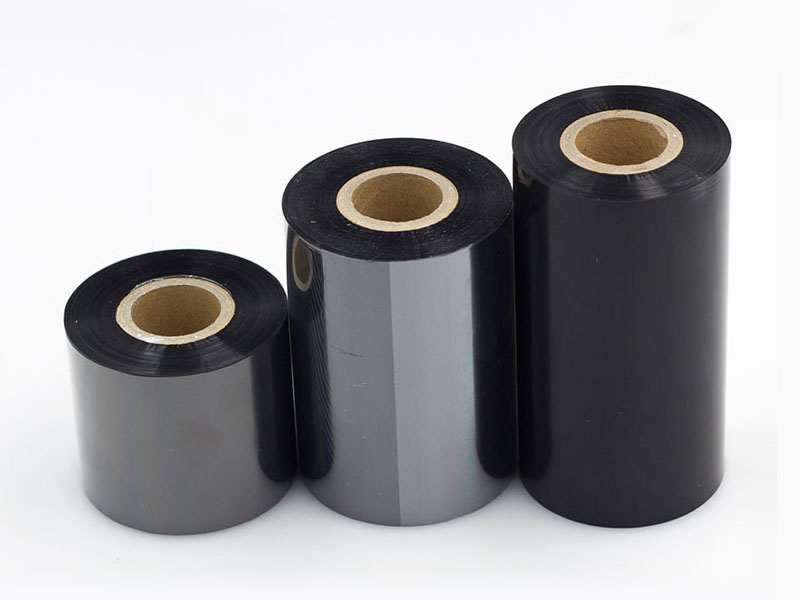
This article will break down the technical core of this function from four dimensions: signal detection, control logic, shutdown strategy, and precision calibration.
19. October, 2026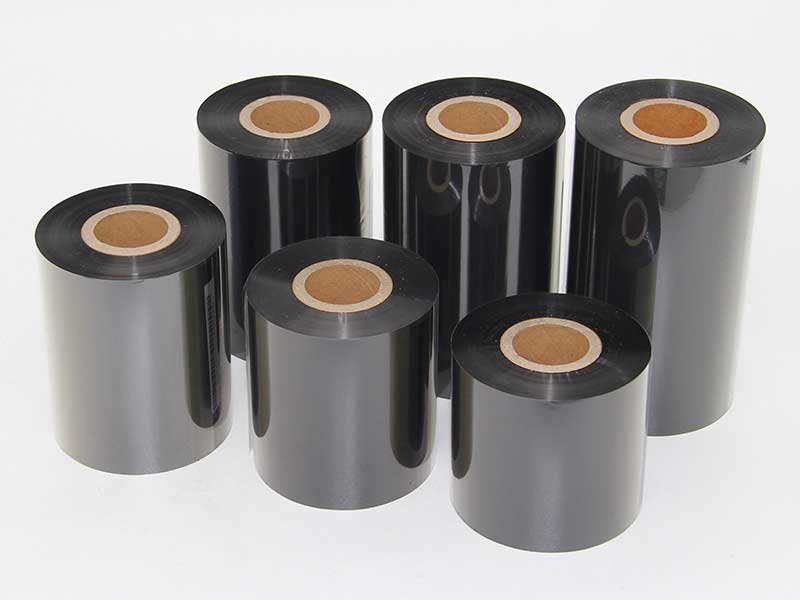
The value of the automatic correction function lies in incorporating this runaway variable into a precise closed loop, shifting slitting operations from "post-event selection" to "real-time self-heali
19. October, 2026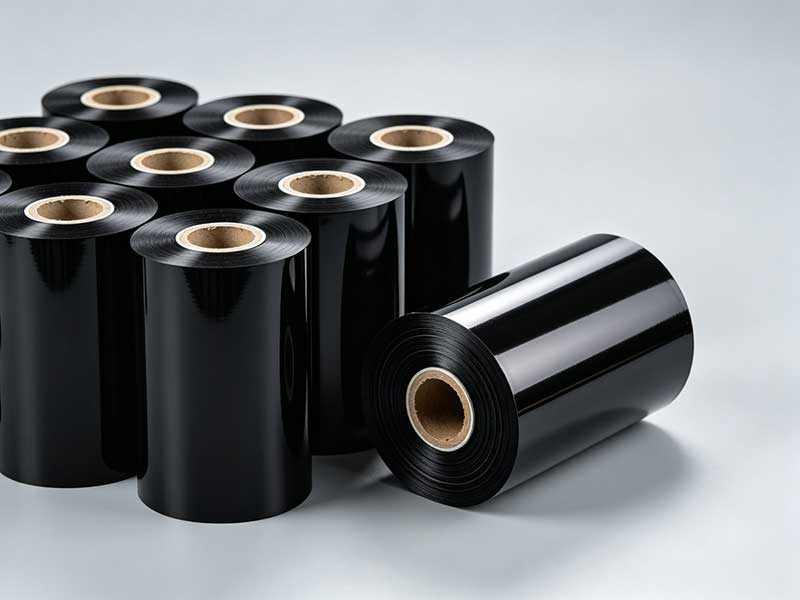
This paper proposes a practical efficiency improvement plan from three dimensions: downtime management, switching optimization, and tension upgrade.
19. October, 2026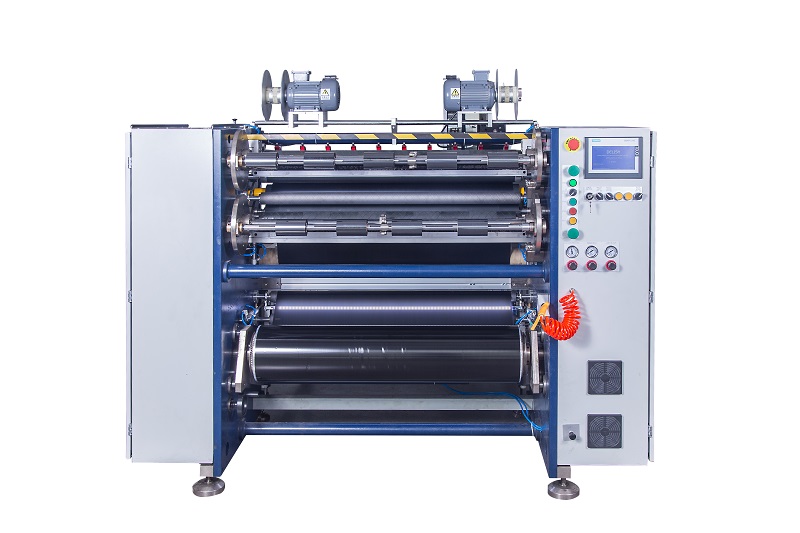
Choosing the right slitting machine is not just about buying a piece of equipment, but about establishing a production system that controls losses from the source.
17. October, 2026When tension is precisely controlled, the transfer quality, slitting yield, and production efficiency of the ribbon are fundamentally guaranteed.
17. October, 2026


 English
 Deutsch
 Français
 Español
 Português
 日本語
日本語 русский
 한국어
한국어 عربي
عربي ภาษาไทย
 Tiếng Việt
 Italiano