

As an indispensable processing equipment in the manufacturing industry, the efficiency and accuracy of the slitting machine directly affect the production cost and product quality. The theme of "Convergence and Application of AI and Internet of Things Technology in Slitting Machines" reveals how to drive industrial upgrading through emerging technologies and realize a new chapter in intelligent manufacturing.
AI precise control
Artificial intelligence technology is introduced into the slitting machine control system, which can predict the change of material characteristics based on big data analysis, and automatically adjust the cutting speed, pressure and other parameters to ensure the cutting accuracy and reduce material waste. The AI algorithm can also learn the optimal cutting strategy for different batches of materials, realize personalized cutting plans, and improve product consistency.
Real-time monitoring of the Internet of Things
Internet of Things (IoT) technology makes the slitter a part of an intelligent network, collecting equipment operation status and energy consumption data through sensors and transmitting it to the cloud platform in real time. Managers can remotely monitor the health status of equipment, warn potential failures in advance, arrange maintenance, avoid unplanned downtime, and ensure the stable operation of the production line.
Data-driven optimization
By merging AI and IoT, the large amount of operational data generated by the slitter is transformed into a valuable asset. By analyzing this data, companies can optimize their production processes and improve overall efficiency. For example, by analyzing cutting efficiency and equipment load, dynamically adjusting production scheduling, balancing production capacity and market demand, and achieving lean production.
Increased automation and flexibility
The intelligent slitting machine supports seamless connection with upstream and downstream equipment, forms an automated assembly line, reduces manual intervention, and improves operation safety. At the same time, it can quickly respond to market changes, flexibly adjust cutting specifications and batch sizes, and enhance the competitiveness of enterprises.
Intelligent maintenance and predictive service
The convergence of AI and IoT is also driving the development of predictive maintenance, where systems can predict part life based on historical data, plan replacements in advance, and reduce production interruptions due to sudden failures. In addition, suppliers can provide immediate technical support and services through remote diagnostics to reduce time to resolution.
conclusion
The integrated application of AI and Internet of Things technology in slitting machines marks an important milestone in the intelligent and digital transformation of the manufacturing industry. This not only improves production efficiency and product quality, but also brings higher flexibility and competitiveness to the enterprise, laying a solid foundation for the realization of the long-term vision of intelligent manufacturing. With the continuous maturity and innovation of technology, the future slitting machine will be more intelligent and efficient, contributing to the upgrading of the global manufacturing industry.
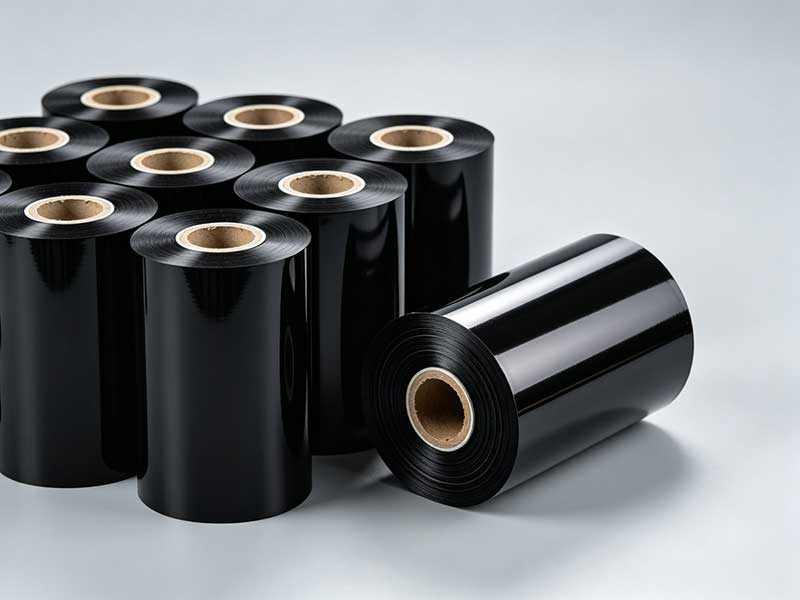
The first watershed in choosing a model isn't speed or brand, but rather — which type of ribbon do you mainly cut?
23. September, 2026
When asking suppliers the following seven questions, the quality of the answers is far more valuable than the numbers on the parameter table.
21. September, 2026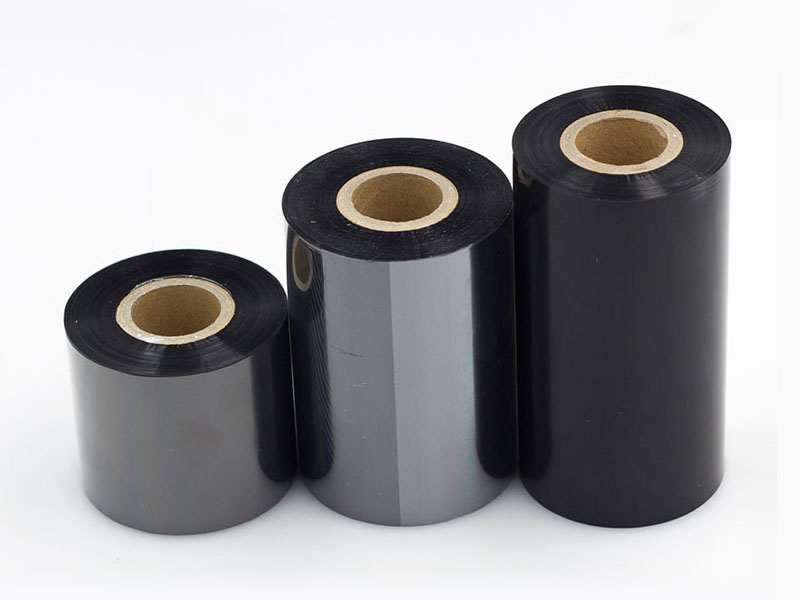
This guide explains what buyers need to know about each parameter—not just the numbers, but the practical implications for production quality, material compatibility, and total cost of ownership.
18. September, 2026This guide distills the technical specifications and practical considerations that separate production-ready machines from costly mistakes.
18. September, 2026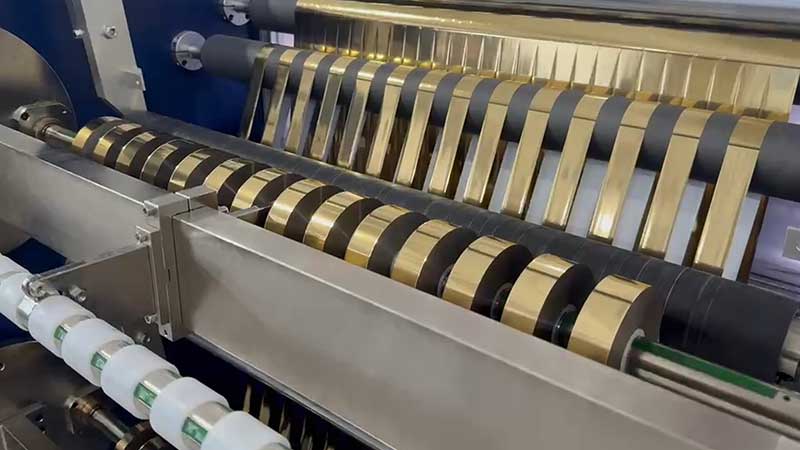
This guide breaks down the critical factors—from tension control to automation—to help you make an informed capital investment.
14. September, 2026


 English
 Deutsch
 Français
 Español
 Português
 日本語
日本語 русский
 한국어
한국어 عربي
عربي ภาษาไทย
 Tiếng Việt
 Italiano