
When choosing a ribbon slitting machine, the following key factors need to be considered:
1. Ribbon Type:
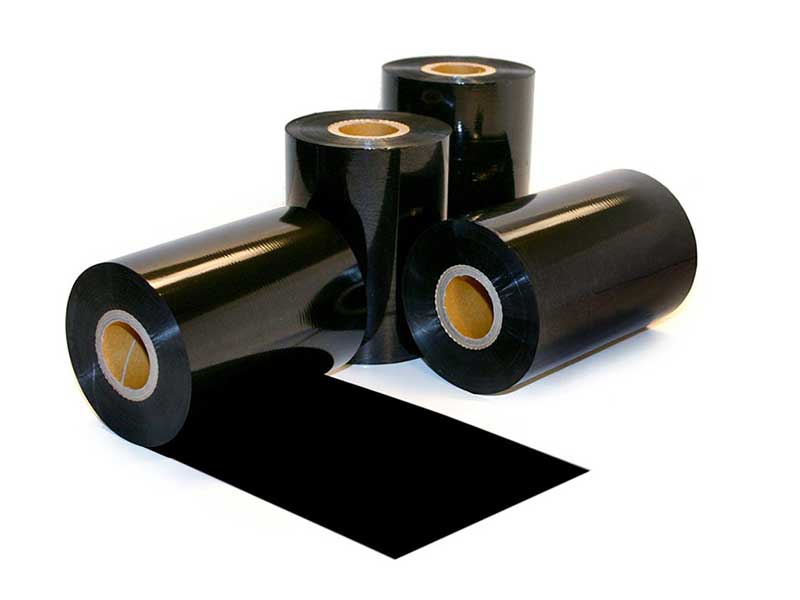
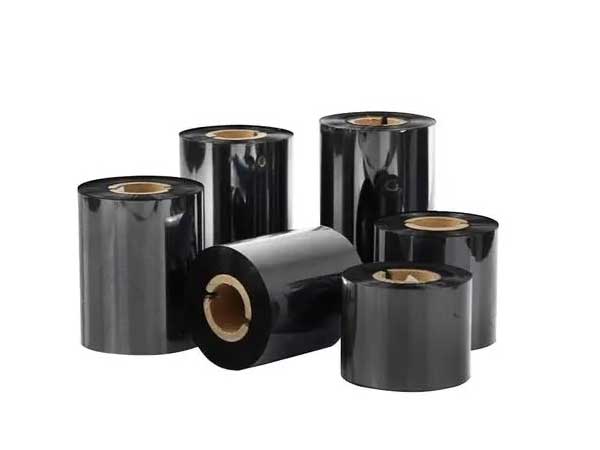
• Material: Wax-based, mixed-based and resin-based ribbons are common, and different materials have different requirements for slitting machines.
• Width: Make sure the slitter supports the desired ribbon width.
• Length: Some slitters have a limit on ribbon length.
2. Slitting Requirements:
• Slitting Width: Determine the required slitting width range and select the slitting machine of the corresponding specification.
• Slitting accuracy: The high-precision slitting machine is suitable for scenarios that require high precision.
• Slitting speed: Choose the appropriate slitting speed according to the production needs.
3. Equipment performance:
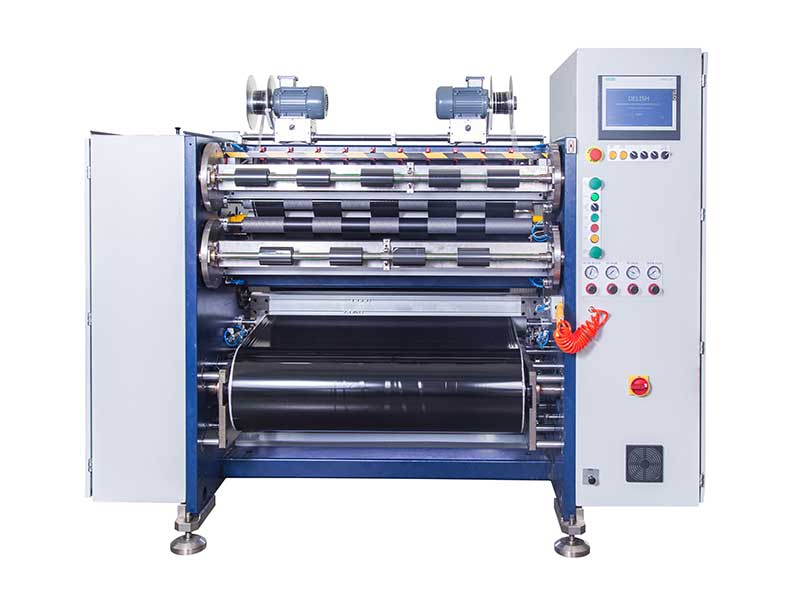
• Tension control: Good tension control can ensure slitting quality.
• Web Guiding System: Automatic web guiding function can improve the slitting accuracy.
• Tool material: High-quality knives are more durable and have better slitting results.
• Operator Interface: User-friendly interface for easy operation and maintenance.
4. Brand & After-sales:
• Brand: Choose well-known brands, quality and after-sales are more guaranteed.
• After-sales service: Perfect after-sales service can reduce the loss caused by equipment failure.
5. Budget:
• Choose cost-effective equipment according to your budget and avoid blindly pursuing high-end.
Other suggestions:
• Field Visit: On-site inspection of equipment operation.
• Trial: Try before you buy to make sure the device meets your needs.
• Consult a professional: Get more professional advice.
Summary:
The selection of ribbon slitting machine needs to comprehensively consider factors such as ribbon type, slitting demand, equipment performance, brand after-sales and budget, etc., to ensure that the equipment meets the production needs and has a good cost performance.
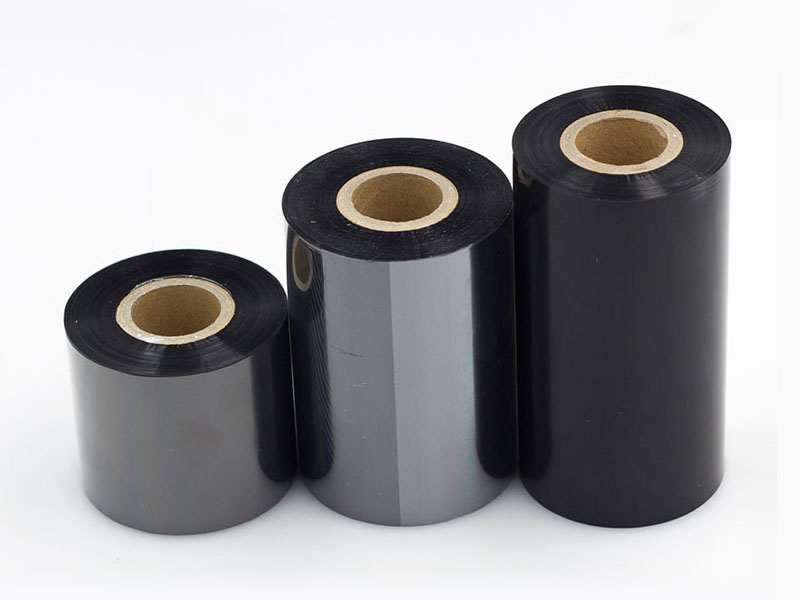
The coating formula, base film characteristics, and physical specifications of the ribbon directly affect the suitability and yield of the slitting machine.
09. October, 2026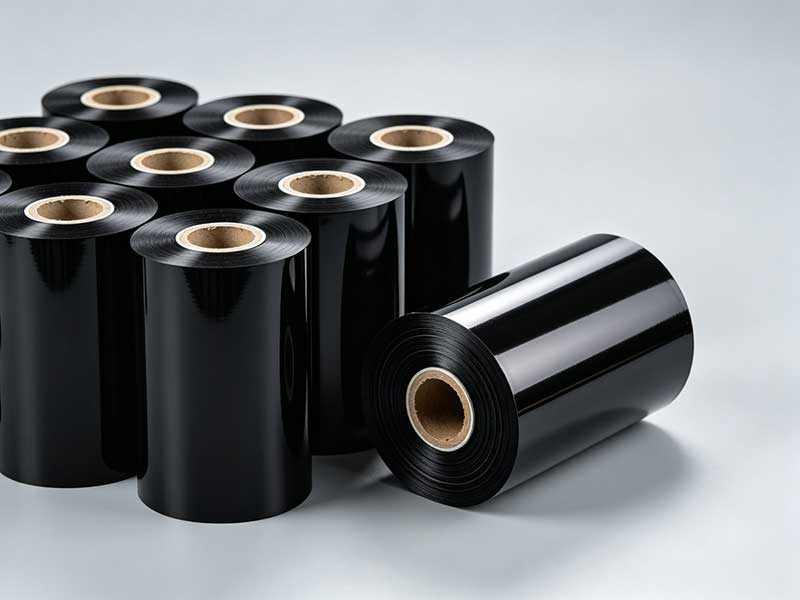
The core function of a ribbon slitting machine revolves around three dimensions: "precise cutting, stable rolling, and fast running."
09. October, 2026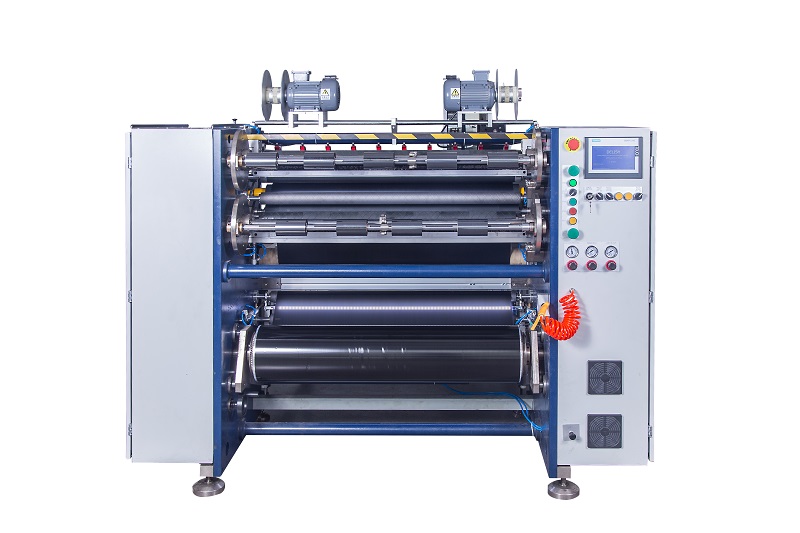
This article starts from actual usage scenarios to outline a clear selection approach.
09. October, 2026The essence of uneven end faces in ribbon slitting machines is an external manifestation of subtle imbalances between tension, parallelism, correction, and tool condition.
05. October, 2026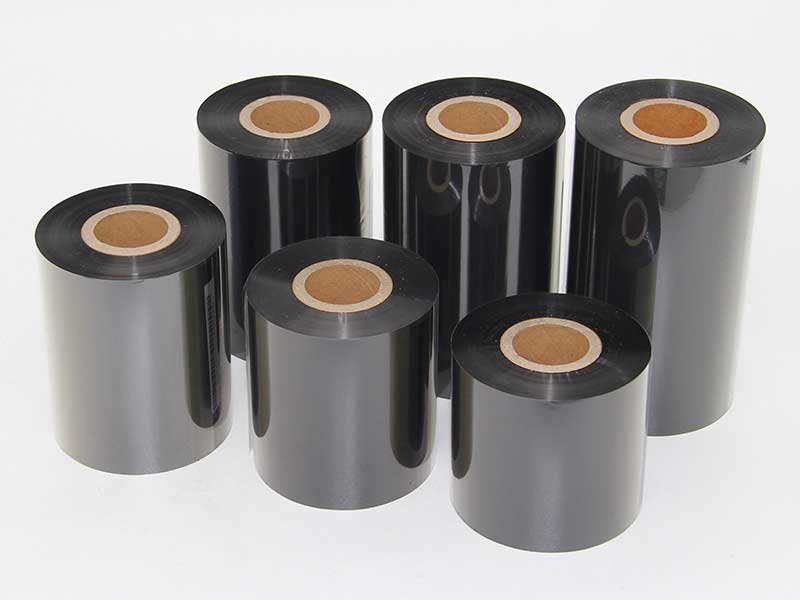
To solve this problem, a systematic inspection is needed from four dimensions: tension control, mechanical precision, auxiliary systems, and operating standards.
05. October, 2026


 English
 Deutsch
 Français
 Español
 Português
 日本語
日本語 русский
 한국어
한국어 عربي
عربي ภาษาไทย
 Tiếng Việt
 Italiano