
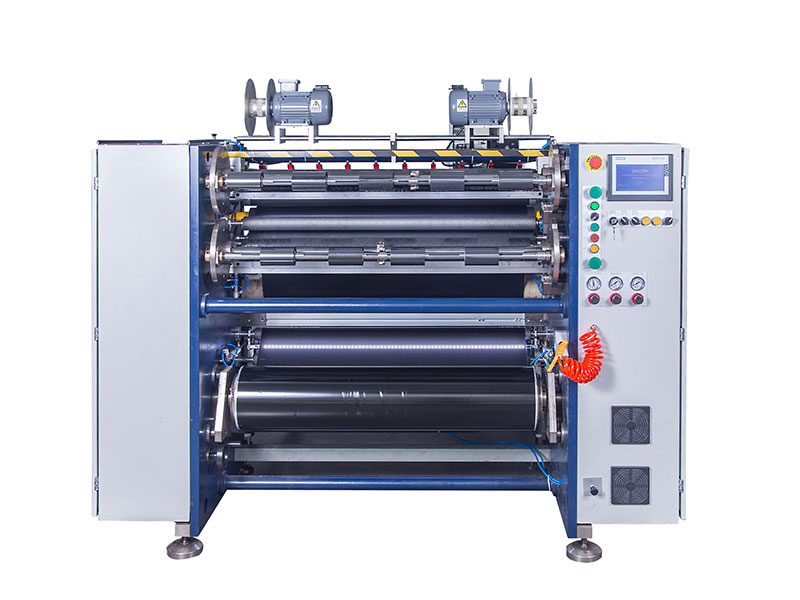
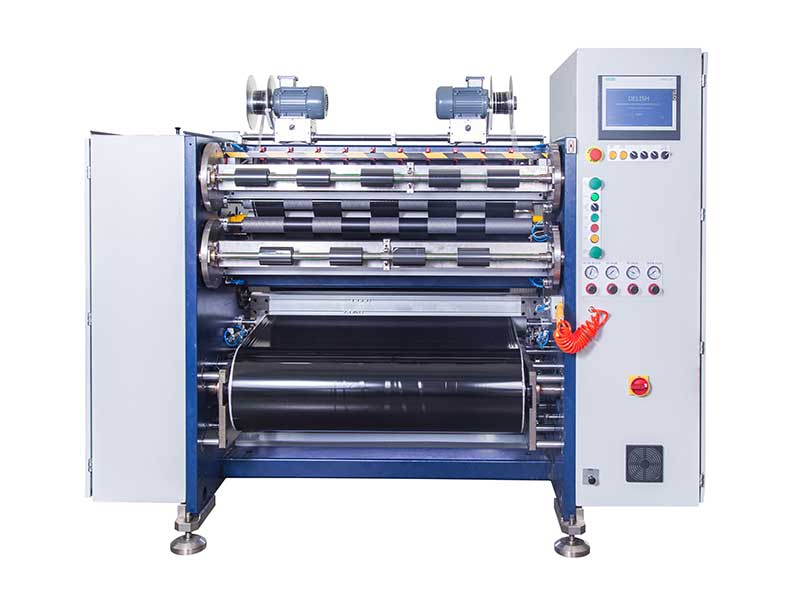
The tension control system of the ribbon slitting machine is the key to ensure the quality of the slitting, which is mainly achieved through the following technologies and measures:
1. Tension detection and feedback
• Tension sensor: real-time detection of ribbon tension and feedback to the control system.
• Floating roller mechanism: The tension is indirectly measured by the displacement change of the floating roller to keep the tension stable.
2. Tension control method
• Closed-loop control: Adjust the motor speed or torque in real time according to sensor feedback to keep the tension constant.
• Open-loop control: preset motor speed or torque, suitable for occasions with small tension changes.
3. Drive system
• Servo motor: fast response, high control accuracy, suitable for high-precision tension control.
• Inverter motor: The speed is adjusted by the inverter, which is suitable for occasions with general accuracy requirements.
4. Tension segmentation control
• Unwinding section: Control the unwinding speed to prevent it from being too fast or too slow.
• Middle section: Maintain stable tension and avoid fluctuations.
• Winding section: control the winding speed to ensure neat winding.
5. Automatic deviation correction system
• Photoelectric sensor: real-time detection of ribbon position, automatic adjustment of the guiding device.
• Servo guiding mechanism: fast response to ensure that the ribbon does not shift.
6. Tension taper control
• Taper control: As the winding diameter increases, the tension is gradually reduced to prevent the inner layer from deforming by extrusion.
7. Material Properties Considerations
• Modulus of Elasticity: Adjusts the tension according to the modulus of elasticity of the ribbon to avoid overstretching or relaxation.
• Thickness and width: Different tension parameters need to be set for different ribbons.
8. Control system
• PLC control: Realize the automation and precision of tension control through PLC.
• Touch screen interface: easy to operate and monitor, real-time display of tension data.
9. Fault detection and protection
• Belt Break Detection: Automatic shutdown when a belt break is detected.
• Overload protection: automatic adjustment or shutdown when the tension is too high to prevent equipment damage.
10. Environmental Controls
• Temperature and humidity control: maintain constant temperature and humidity to reduce the influence of the environment on tension.
• Dust removal system: Keep the equipment clean and avoid dust from affecting tension control.
summary
The tension control system of the ribbon slitting machine ensures the stability of tension during the slitting process through tension detection and feedback, closed-loop control, servo motor drive, segmentation control, automatic deviation correction, taper control, material property consideration, PLC control, fault detection and protection, and environmental control, so as to ensure the quality of slitting.
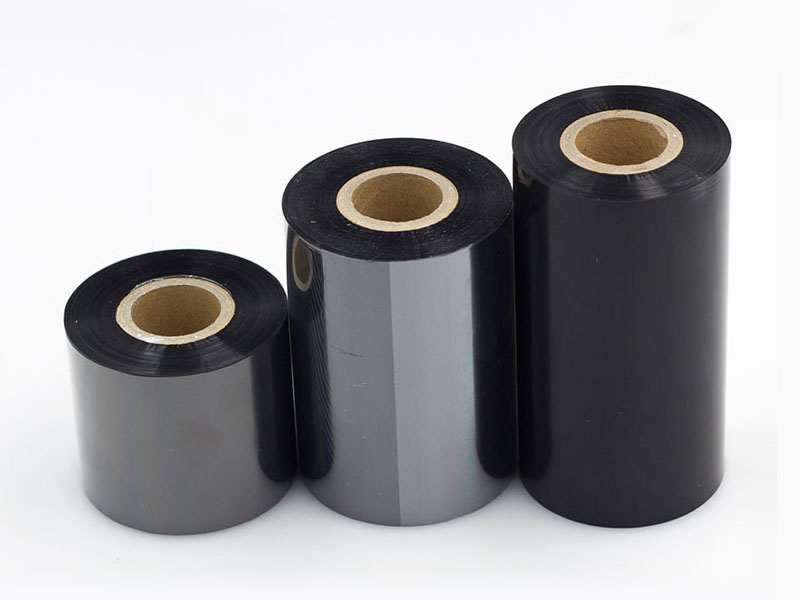
The coating formula, base film characteristics, and physical specifications of the ribbon directly affect the suitability and yield of the slitting machine.
09. October, 2026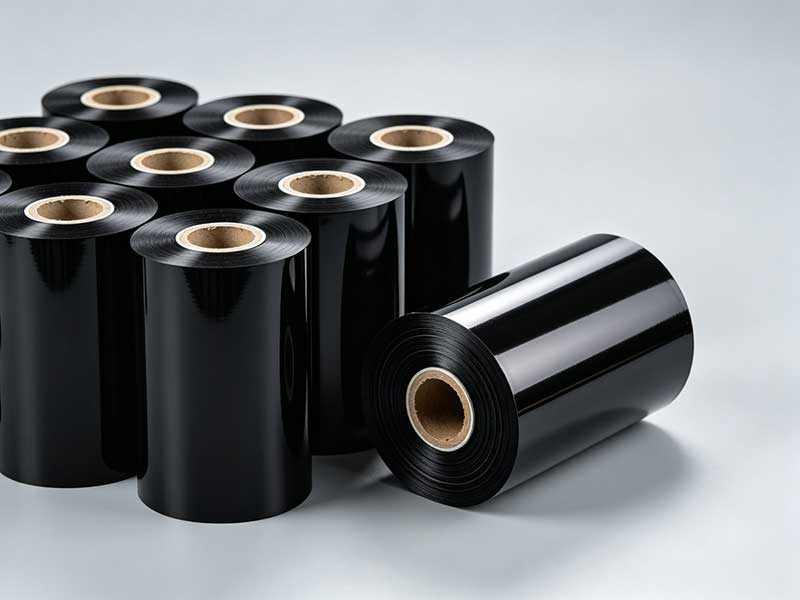
The core function of a ribbon slitting machine revolves around three dimensions: "precise cutting, stable rolling, and fast running."
09. October, 2026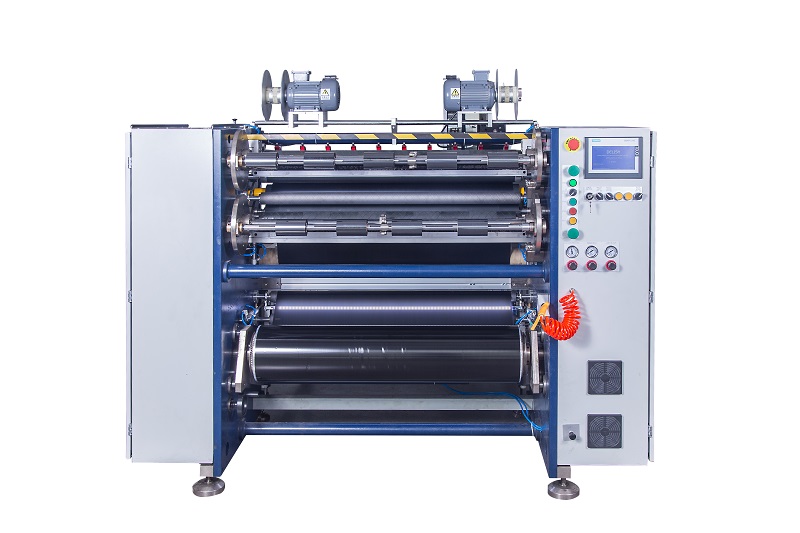
This article starts from actual usage scenarios to outline a clear selection approach.
09. October, 2026The essence of uneven end faces in ribbon slitting machines is an external manifestation of subtle imbalances between tension, parallelism, correction, and tool condition.
05. October, 2026
To solve this problem, a systematic inspection is needed from four dimensions: tension control, mechanical precision, auxiliary systems, and operating standards.
05. October, 2026


 English
 Deutsch
 Français
 Español
 Português
 日本語
日本語 русский
 한국어
한국어 عربي
عربي ภาษาไทย
 Tiếng Việt
 Italiano