
The blade material of the ribbon slitting machine has a significant impact on the cutting effect, which is mainly reflected in the following aspects:
1. Cutting accuracy
• High hardness materials: such as cemented carbide, ceramic, etc., can keep the cutting edge sharp, ensure high-precision cutting, reduce burrs and errors.
• Low hardness material: Prone to wear and tear, resulting in reduced cutting accuracy, burrs and uneven cuts.
2. Cutting life
• Wear-resistant materials: such as cemented carbide, high-speed steel, etc., with strong wear resistance, prolonging the service life of the blade and reducing the frequency of replacement.
• Ordinary steel: poor wear resistance, frequent replacement, increased maintenance costs.
3. Cutting speed
• High hardness material: suitable for high-speed cutting, maintain stable cutting quality.
• Low hardness material: easy to wear under high-speed cutting, affecting the cutting effect and speed.
4. Adaptability of cutting materials
• Tungsten carbide: suitable for a wide range of ribbon materials, especially high-density or high-strength ribbons.
• Ceramic blades: suitable for high-precision cutting, but brittle and easy to chip.
• High speed steel: suitable for medium-hard ribbons, low cost.
5. Cost
• High hardness material: high initial cost, but long life, low long-term cost.
• Ordinary steel: low initial cost, but short life, high long-term use cost.
Common blade materials and characteristics
1. Cemented carbide: high hardness, wear resistance, suitable for high-precision, high-speed cutting, high cost.
2. Ceramic: extremely hard, wear-resistant, suitable for high-precision cutting, but brittle.
3. High-speed steel: moderate hardness, wear-resistant, suitable for medium-hardness ribbon, low cost.
4. Ordinary steel: low hardness, poor wear resistance, suitable for low-strength ribbons, and the lowest cost.
summary
The blade material directly affects cutting accuracy, life, speed and cost. Choosing the right material requires a combination of ribbon characteristics, cutting requirements and cost budget. Tungsten carbide and ceramic are suitable for high-precision, high-speed cutting, while high-speed steel and ordinary steel are suitable for general needs.
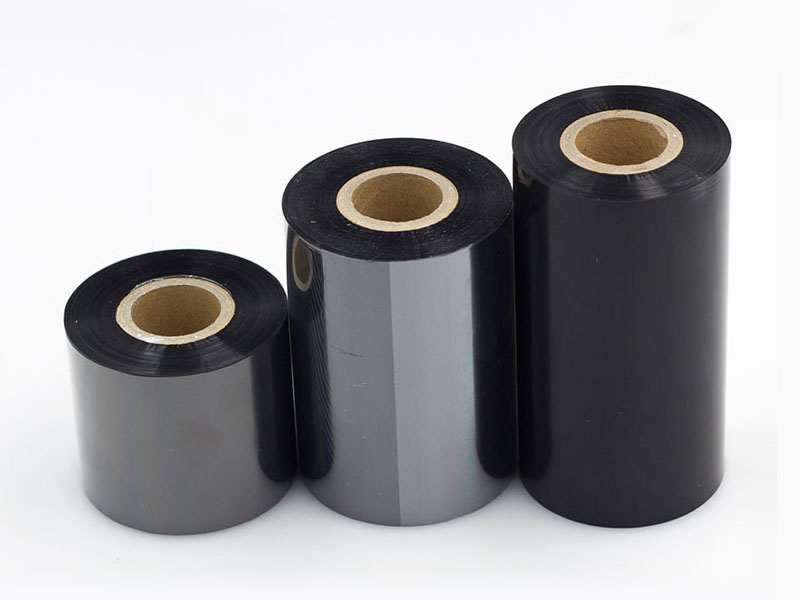
The coating formula, base film characteristics, and physical specifications of the ribbon directly affect the suitability and yield of the slitting machine.
09. October, 2026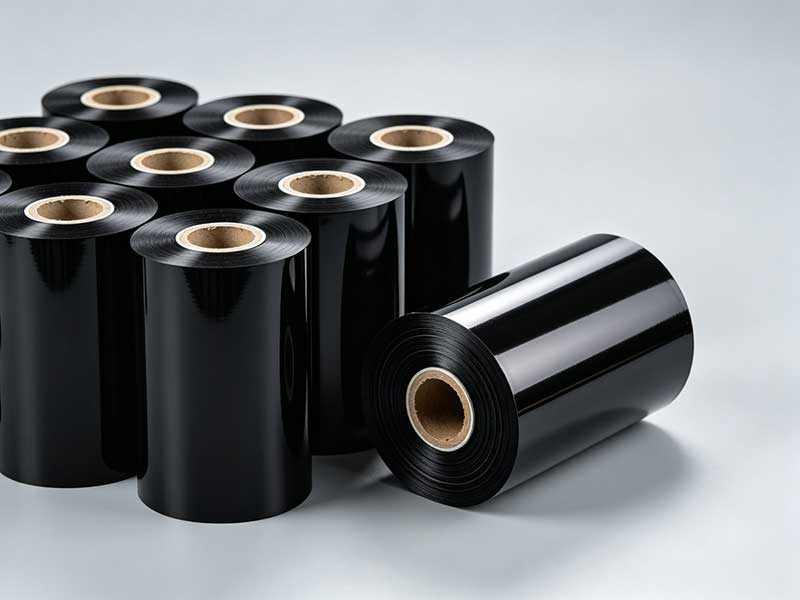
The core function of a ribbon slitting machine revolves around three dimensions: "precise cutting, stable rolling, and fast running."
09. October, 2026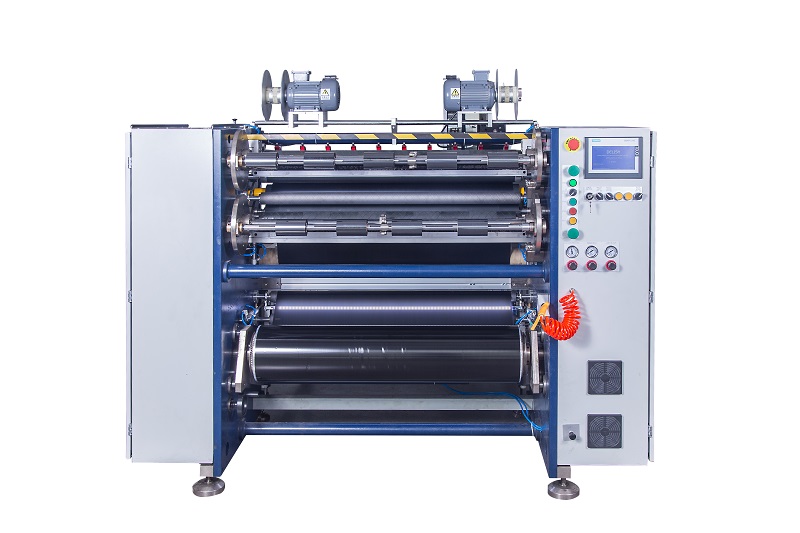
This article starts from actual usage scenarios to outline a clear selection approach.
09. October, 2026The essence of uneven end faces in ribbon slitting machines is an external manifestation of subtle imbalances between tension, parallelism, correction, and tool condition.
05. October, 2026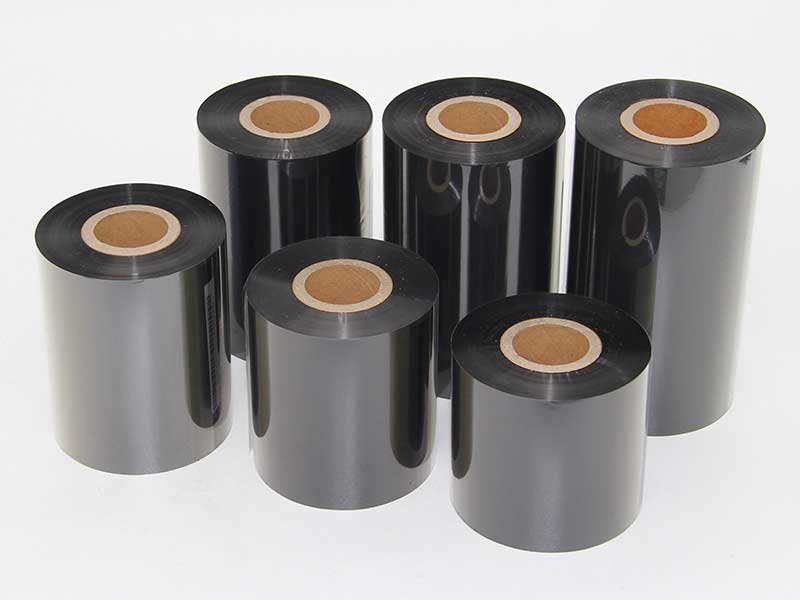
To solve this problem, a systematic inspection is needed from four dimensions: tension control, mechanical precision, auxiliary systems, and operating standards.
05. October, 2026


 English
 Deutsch
 Français
 Español
 Português
 日本語
日本語 русский
 한국어
한국어 عربي
عربي ภาษาไทย
 Tiếng Việt
 Italiano