
The high-efficiency ribbon slitting machine is a high-precision equipment specially designed for ribbon production, which can significantly improve production efficiency and ensure product quality. Here are its key features and benefits:
1. High-precision slitting
• Precise cutting: Advanced control system and high-precision tools are used to ensure accurate slitting size and minimal error.
• Multiple specifications: support the slitting needs of different widths and lengths, and adapt to diversified production.
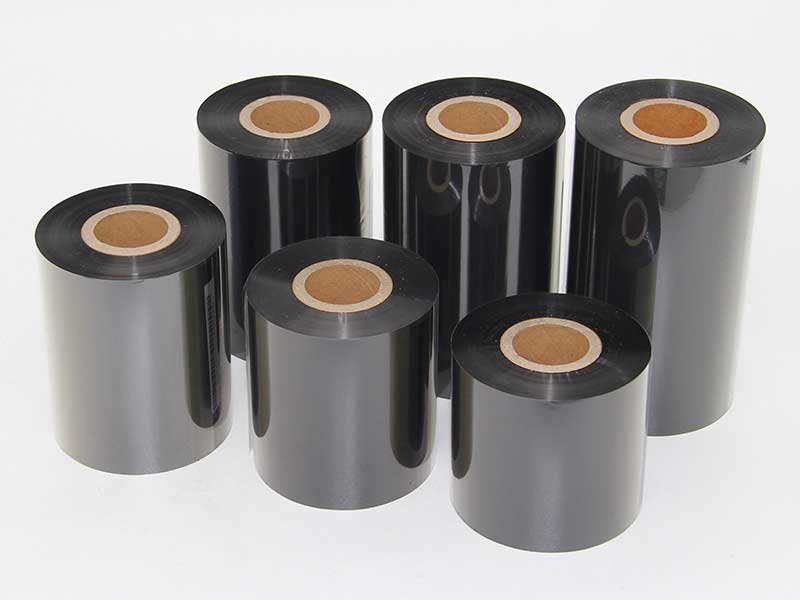
2. Efficient production
• Fast slitting: high-speed operation, greatly increasing production capacity and shortening delivery time.
• Automated operation: high degree of automation, reduce manual intervention, and reduce error rate.
3. Stable and reliable
• High-quality materials: Wear-resistant materials are used for key components to extend the life of the equipment.
• Stable operation: The design is reasonable to ensure long-term stable operation and reduce failures.
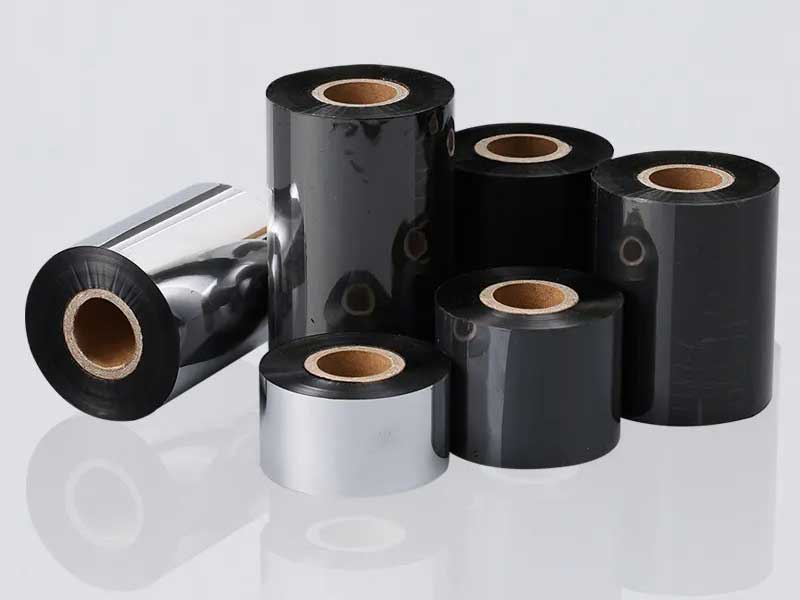
4. Easy to operate
• User-friendly: The interface is intuitive, simple to operate, and easy to use.
• Easy maintenance: Modular design, easy maintenance and replacement of parts.
5. Energy saving and environmental protection
• Energy-saving design: Optimize energy consumption and reduce production costs.
• Eco-friendly materials: meet environmental standards and reduce environmental impact.
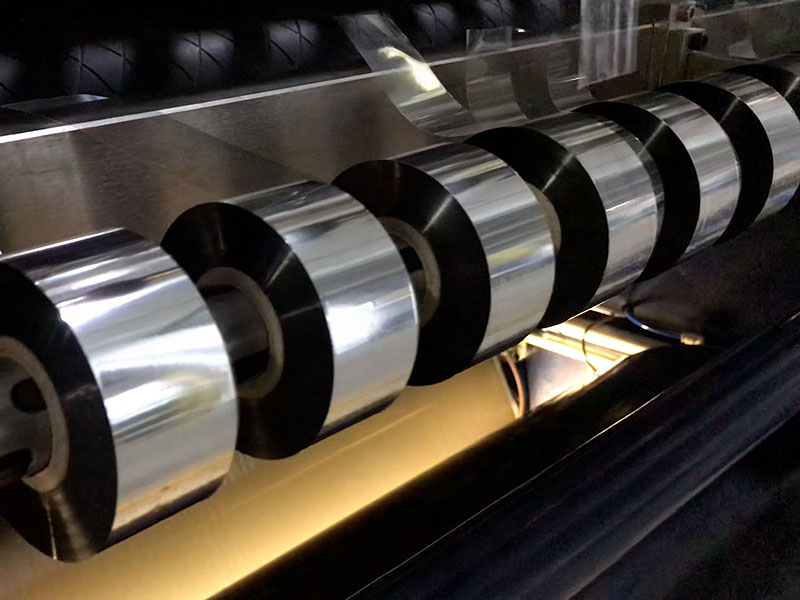
6. Widely used
• Applicable to multiple industries: suitable for labeling, packaging, electronics and other industries.
• Wide range of materials: not only ribbons, but also other similar materials.
summary
Through high precision, high efficiency, stability and ease of operation, the high-efficiency ribbon slitting machine has become a powerful tool to improve production efficiency and help enterprises improve their competitiveness.
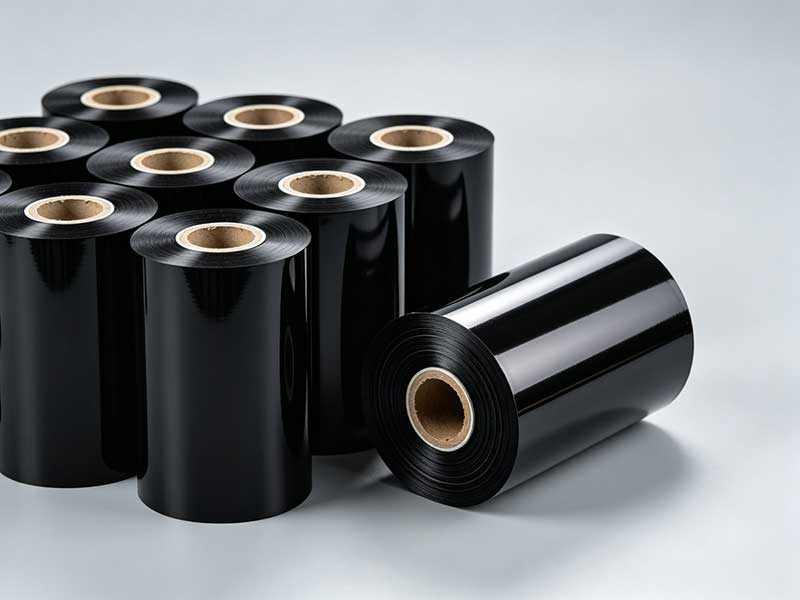
The essence of uneven end faces in ribbon slitting machines is an external manifestation of subtle imbalances between tension, parallelism, correction, and tool condition.
05. October, 2026To solve this problem, a systematic inspection is needed from four dimensions: tension control, mechanical precision, auxiliary systems, and operating standards.
05. October, 2026The first watershed in choosing a model isn't speed or brand, but rather — which type of ribbon do you mainly cut?
23. September, 2026
When asking suppliers the following seven questions, the quality of the answers is far more valuable than the numbers on the parameter table.
21. September, 2026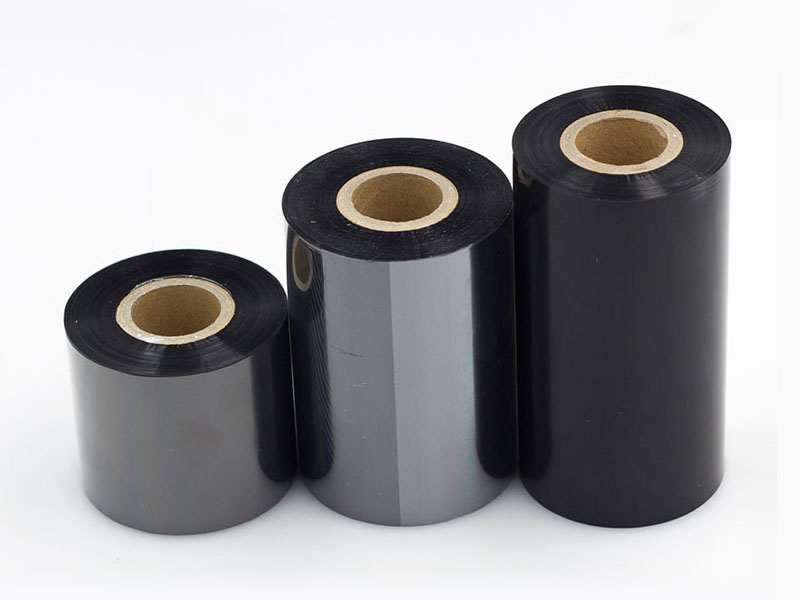
This guide explains what buyers need to know about each parameter—not just the numbers, but the practical implications for production quality, material compatibility, and total cost of ownership.
18. September, 2026


 English
 Deutsch
 Français
 Español
 Português
 日本語
日本語 русский
 한국어
한국어 عربي
عربي ภาษาไทย
 Tiếng Việt
 Italiano