
Project Background
Ribbon slitting machine is a key equipment in the label printing industry, and the traditional equipment has problems such as low efficiency, poor precision, and manual intervention. Through the introduction of PLC control and intelligent detection technology, the comprehensive automation upgrade of the ribbon slitting process can be realized.
Upgrade scenarios
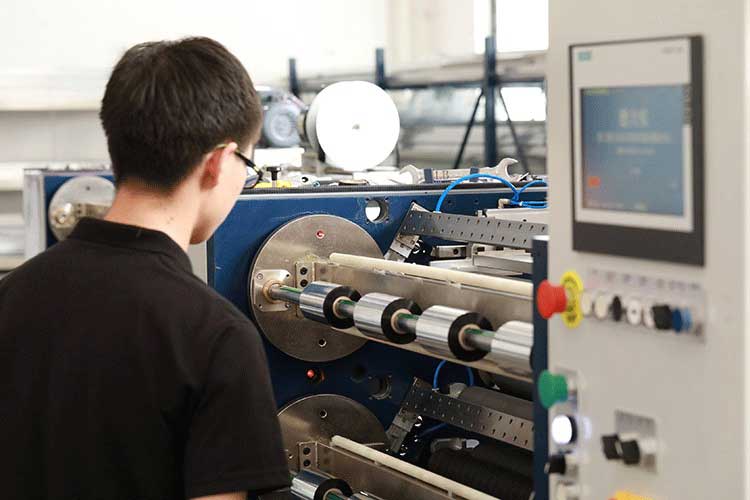
1. PLC control system design
• Hardware configuration:
◦ Siemens S7-1200 series PLC was selected as the main controller
◦ Add servo motor drive system to replace traditional mechanical transmission
◦ Install a high-precision encoder for closed-loop control
• Software features:
◦ Automatic tension control algorithm
◦ Multi-axis synchronous motion control
◦ Fault self-diagnosis system
◦ Human-machine interface (HMI) parameter setting and monitoring
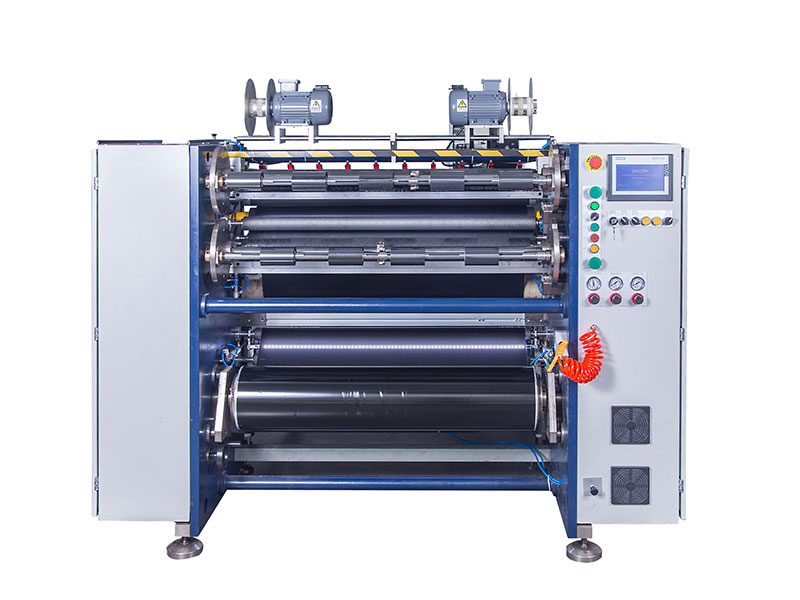
2. Intelligent detection technology integration
• Vision Inspection System:
◦ Industrial cameras monitor the edge position of the ribbon in real time
◦ Image processing algorithms detect ribbon defects (bubbles, scratches, etc.)
◦ Automatic guiding control maintains slitting accuracy
• Sensor Networks:
◦ The laser distance sensor accurately measures the ribbon width
◦ The tension sensor feeds back the tension data in real time
◦ Temperature/humidity sensors monitor environmental parameters
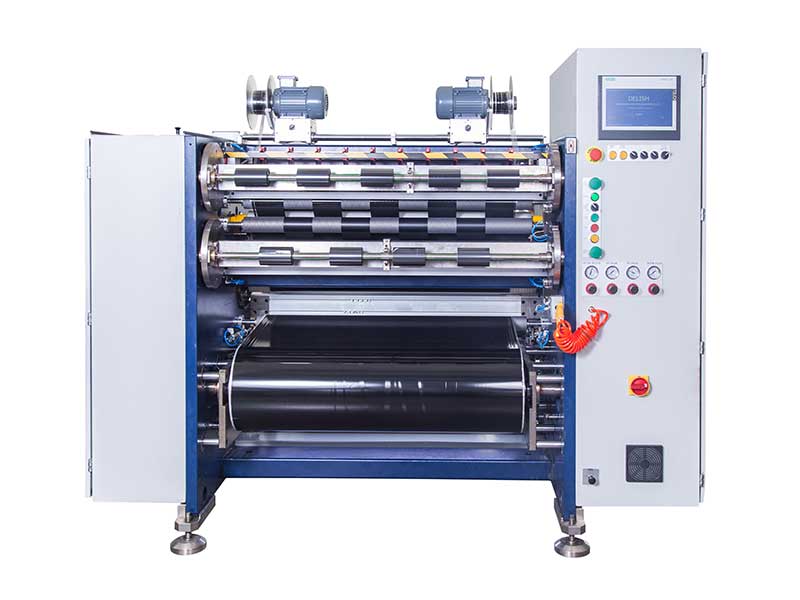
Technological advantages
1. Increased production efficiency: The automatic slitting speed is increased by more than 40%.
2. Accuracy improvement: the slitting width tolerance is controlled within ±0.1mm
3. Quality assurance: real-time defect detection, 90% reduction in defective product rate
4. Energy consumption reduction: intelligent speed control system saves 15-20% of electric energy
5. Easy maintenance: remote diagnosis and predictive maintenance function
Implementation Effects
The automation upgrade solution has been successfully applied in many ribbon production enterprises, with an average return on investment period of 12-18 months. The upgraded equipment not only improves product consistency and production efficiency, but also realizes the digital management of production data, laying the foundation for the intelligent manufacturing transformation of the enterprise.
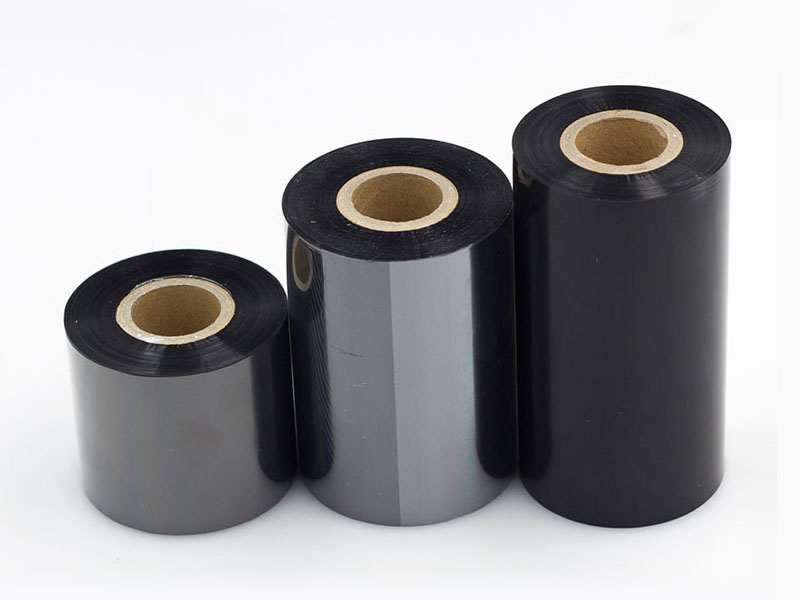
The value of the fully automatic ribbon slitting machine lies precisely in these two most basic criteria: precise cutting, minimal waste.
27. October, 2026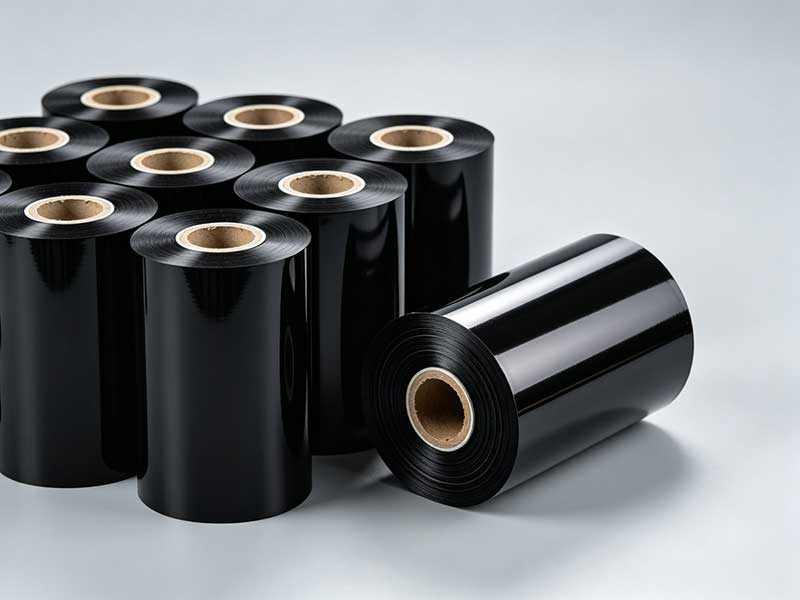
The widespread adoption of fully automatic ribbon slitting machines is changing this situation. Its core value can be summed up in six words: efficient, stable, and labor-saving.
22. October, 2026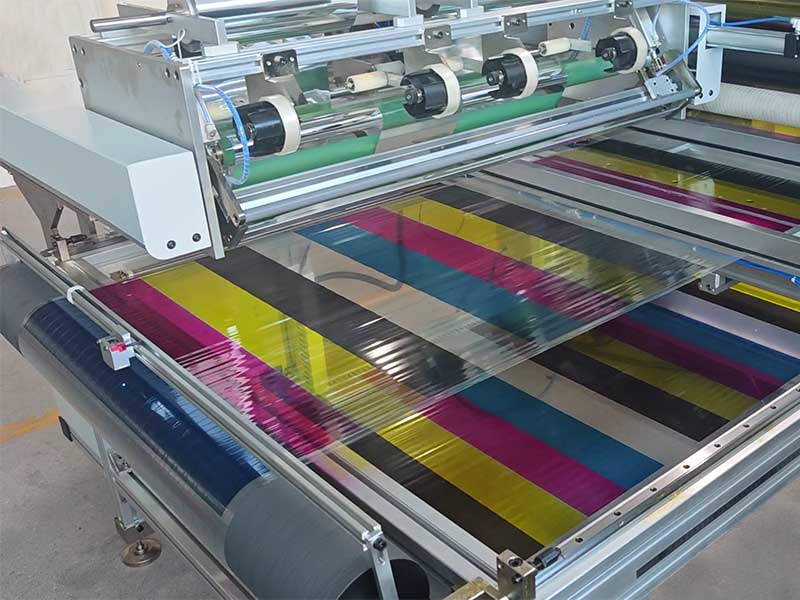
The color ribbon slitting machine is mainly used for wide roll slitting and rewinding of materials such as card printer color ribbons and thermal transfer ribbons.
21. October, 2026This article will break down the technical core of this function from four dimensions: signal detection, control logic, shutdown strategy, and precision calibration.
19. October, 2026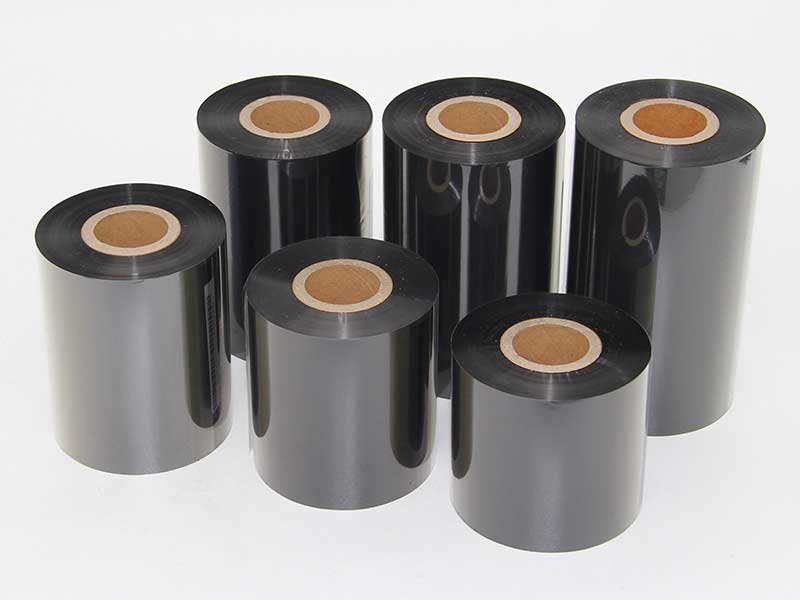
The value of the automatic correction function lies in incorporating this runaway variable into a precise closed loop, shifting slitting operations from "post-event selection" to "real-time self-heali
19. October, 2026


 English
 Deutsch
 Français
 Español
 Português
 日本語
日本語 русский
 한국어
한국어 عربي
عربي ภาษาไทย
 Tiếng Việt
 Italiano