
The ribbon slitting machine significantly improves efficiency in the production process of RFID tags in the following ways, while ensuring quality and cost control:
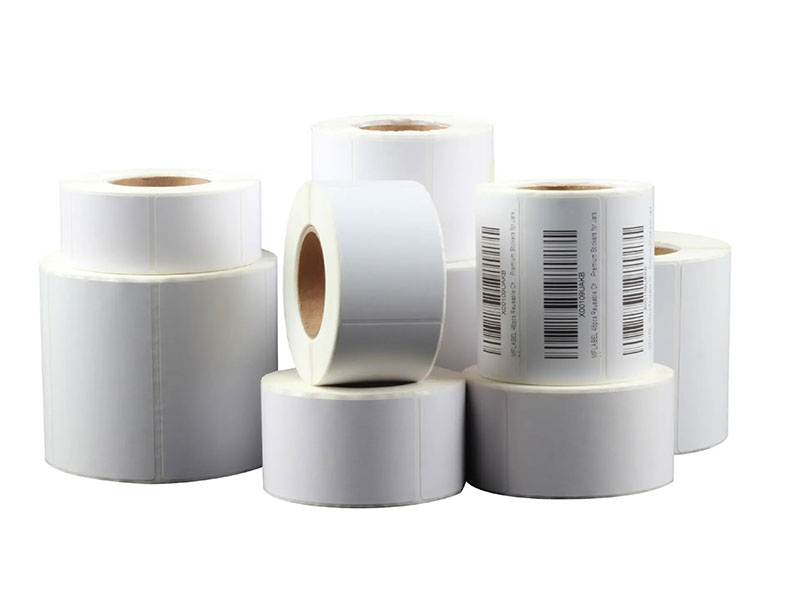
1. Precise slitting reduces waste
• High-precision cutting: Laser or CNC blades will cut the wide ribbon into a specific width (e.g., 10mm, 20mm) to match the size of the RFID tag and reduce edge material waste (traditional slitting error can be reduced to ±0.1mm).
• Optimized fit: The ribbon is slitted and fits exactly the filament specifications of RFID label printers (e.g., Zebra, Intermec) to avoid downtime and adjustment due to size incompatibility.
2. Automation and continuous production
• Fast roll change: The slitting machine supports automatic slitting of large ribbons (such as 1.5 meters in diameter) into small rolls, reducing the frequency of roll change (the traditional manual roll change takes 5-10 minutes/time, which can be reduced to 1 minute after automation).
• Seamless connection to the production line: After slitting, the ribbon can be directly connected to the RFID printer (such as UHF RFID tag production line) to achieve 24-hour continuous printing, increasing the production capacity by more than 30%.
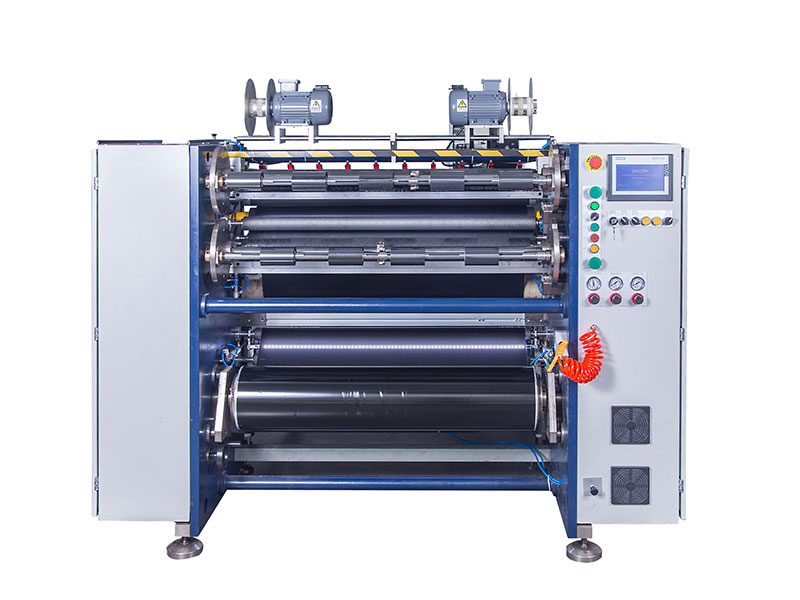
3. Quality consistency assurance
• Tension control: Constant tension (e.g. 20-50N) during slitting to avoid ribbon wrinkling or breakage, ensuring uniform contact of the print head (reducing the printing blur defect rate to less than 0.5%).
• Edge Treatment: Laser slitting can carbonize the edge, prevent fiber shedding and contaminate the printer, and extend the life of the print head (about 20% increase).
4. Flexibility to respond to customized needs
• Dynamic adjustment: The slitting width (such as switching from 13mm to 25mm) can be switched in real time through the PLC system to meet the rapid production conversion needs of different RFID tags (such as logistics tags and clothing tags).
• Special process support: The slitting machine can process special ribbons such as metal-resistant and high-temperature resistance, and is suitable for the production of RFID tags in complex scenarios.
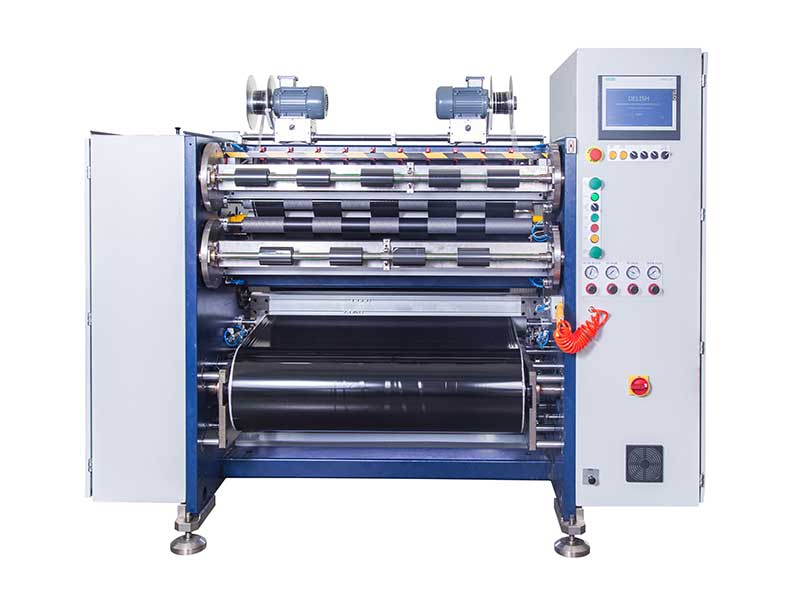
5. Balance cost and efficiency
• Improved consumables utilization: By optimizing the slitting scheme (such as nested cutting), the material utilization rate can reach more than 95%, reducing the ribbon cost per unit label.
• Reduced maintenance costs: Reduced risk of printer tape after slitting, and maintenance intervals are extended by 50%.
Application examples
• Logistics label production: The slitting machine divides the 300mm wide ribbon into 20 15mm narrow ribbons, and cooperates with the RFID printer to achieve an output of 10,000 labels per hour, which is 40% faster than the traditional method.
Through precise slitting, automatic integration and quality control, the ribbon slitting machine has become a key equipment for the efficient production of RFID tags, especially suitable for high-volume, multi-specification application scenarios.
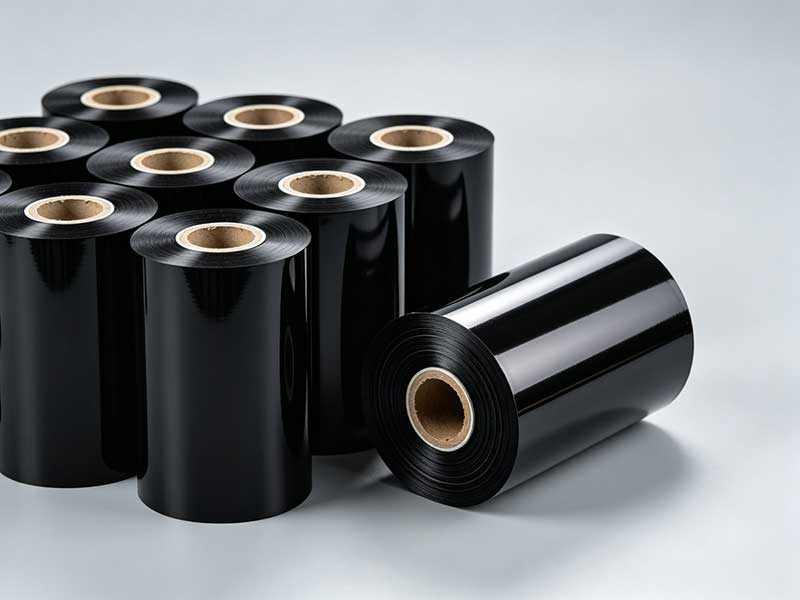
the key to choosing a model is not to pursue the "highest configuration," but to find a balance that matches your own business.
12. October, 2026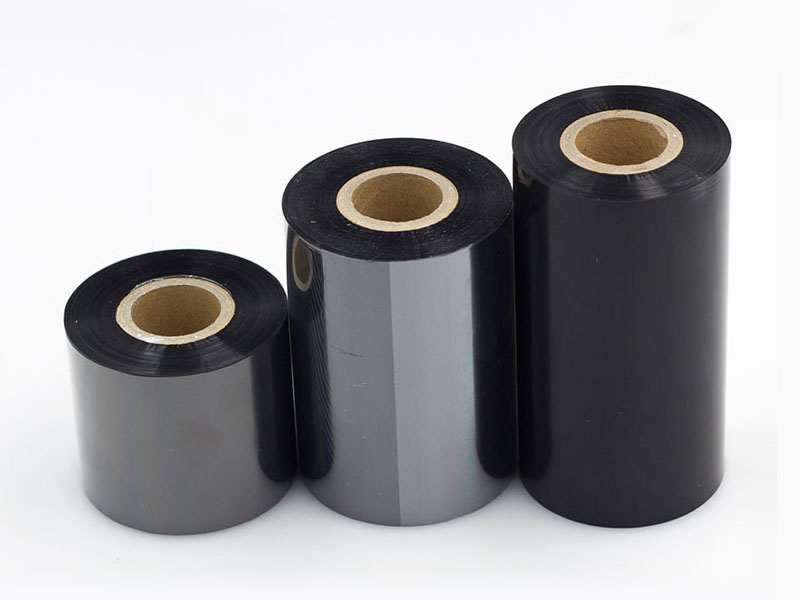
The coating formula, base film characteristics, and physical specifications of the ribbon directly affect the suitability and yield of the slitting machine.
09. October, 2026The core function of a ribbon slitting machine revolves around three dimensions: "precise cutting, stable rolling, and fast running."
09. October, 2026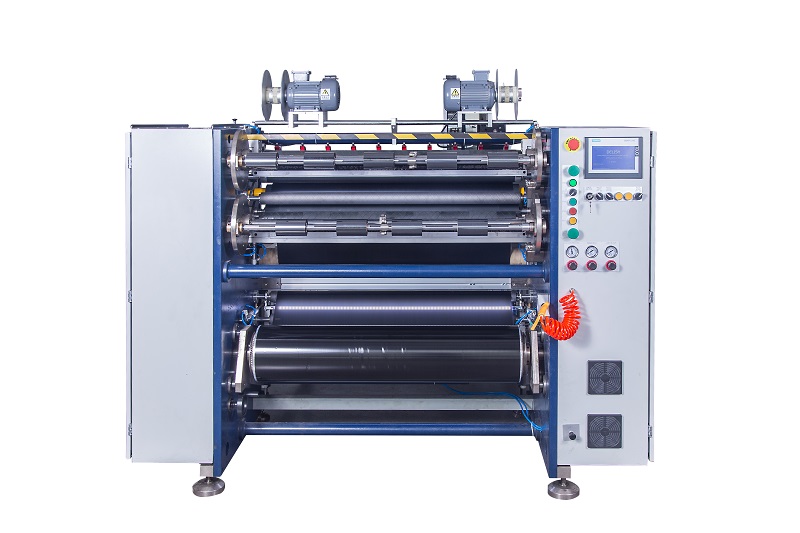
This article starts from actual usage scenarios to outline a clear selection approach.
09. October, 2026The essence of uneven end faces in ribbon slitting machines is an external manifestation of subtle imbalances between tension, parallelism, correction, and tool condition.
05. October, 2026


 English
 Deutsch
 Français
 Español
 Português
 日本語
日本語 русский
 한국어
한국어 عربي
عربي ภาษาไทย
 Tiếng Việt
 Italiano